Featured Water Bottling & Beverage Packaging Machinery
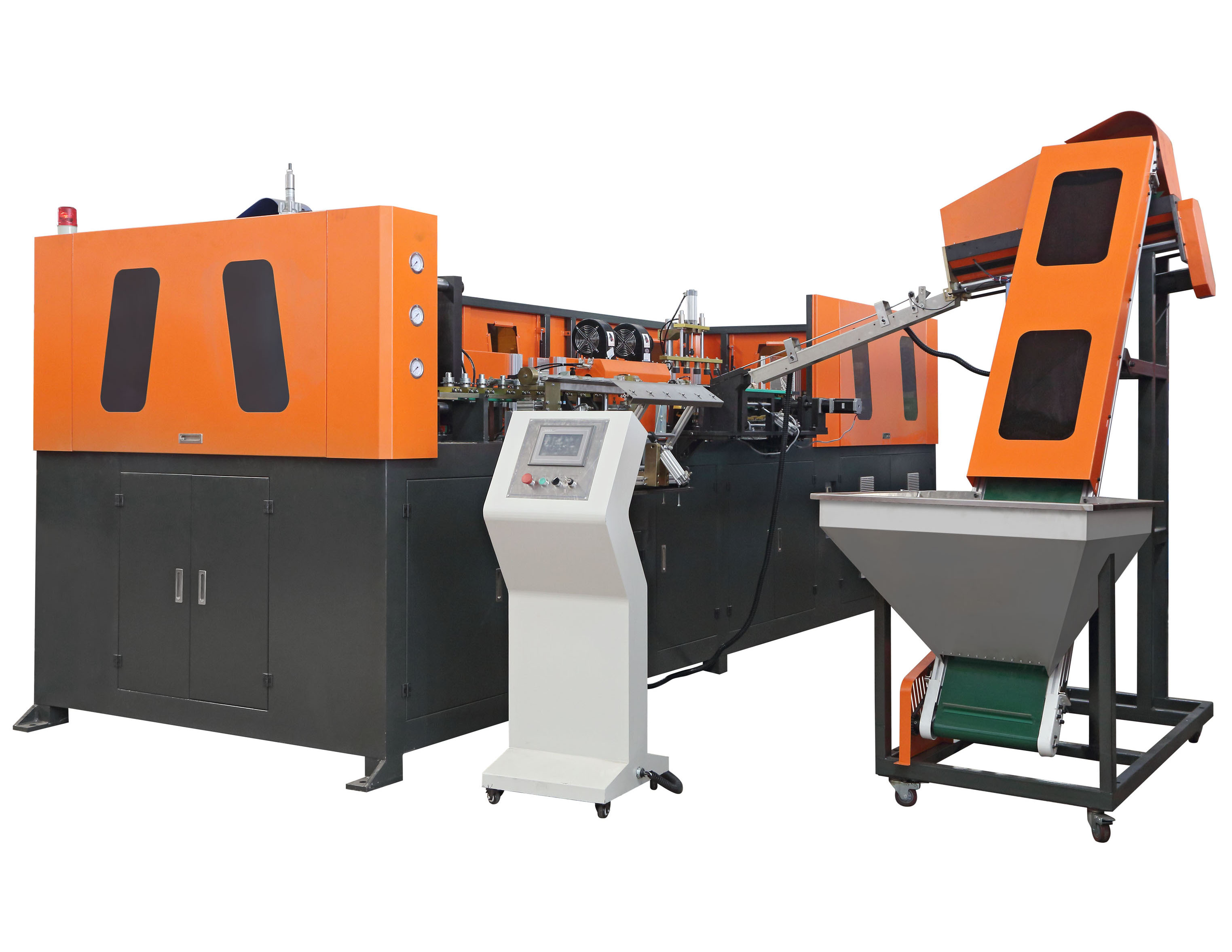
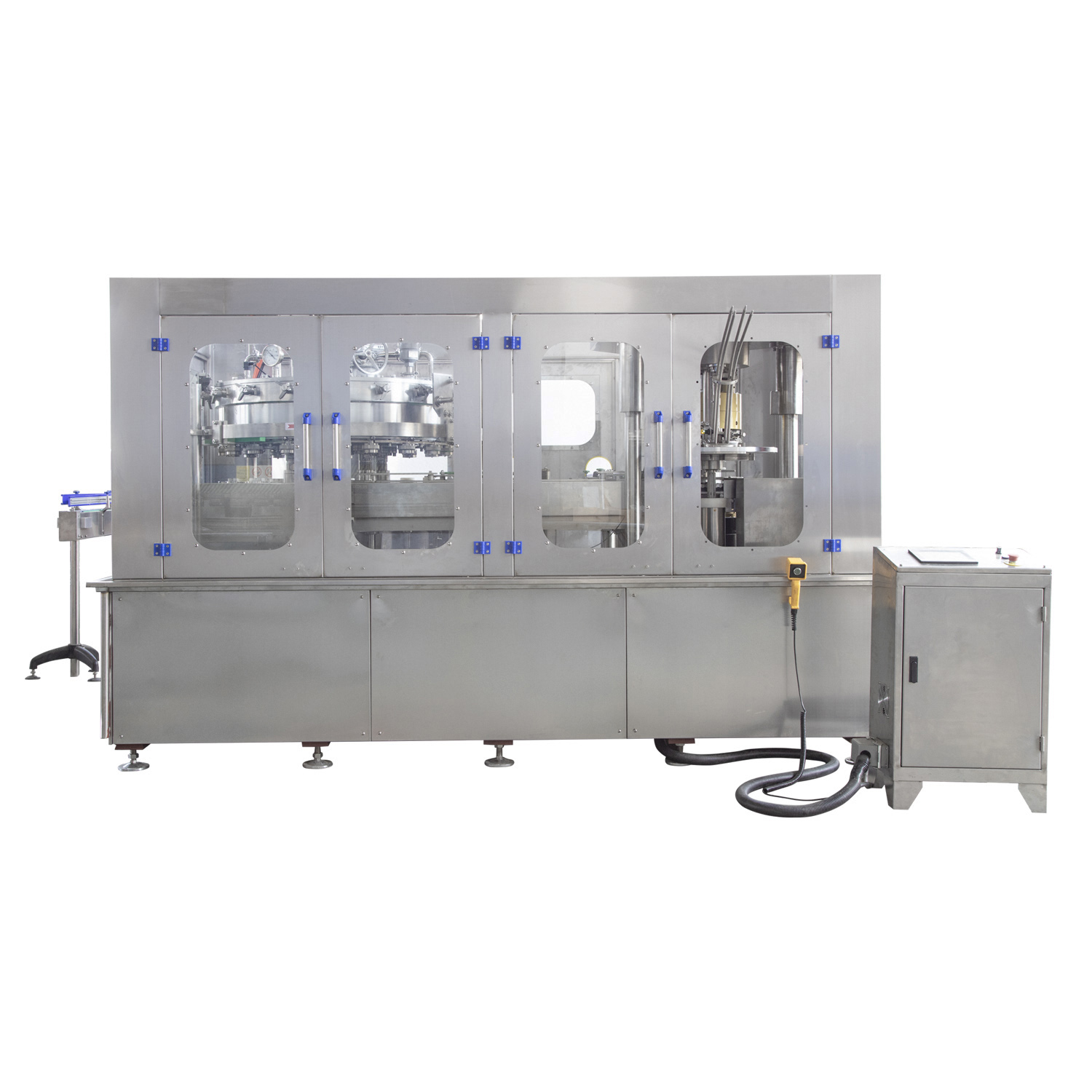
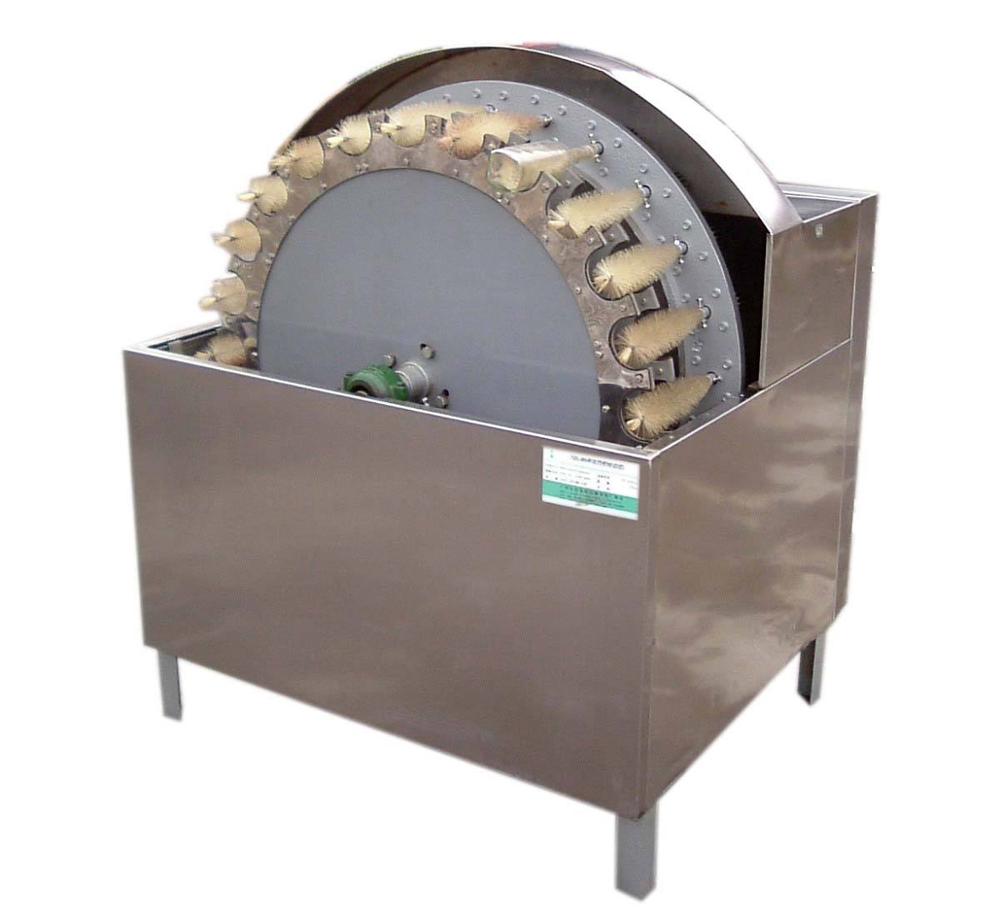
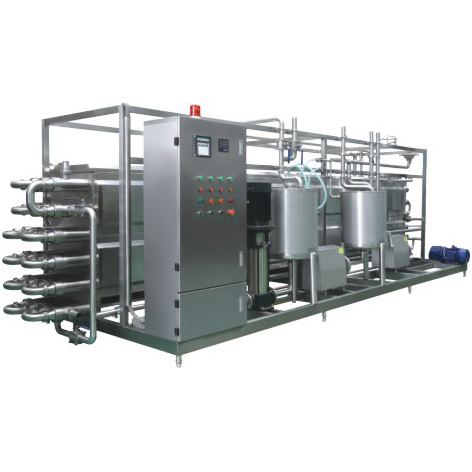
Explore high-precision monoblock liquid fillers, rotary bottle washers, PET blow molders, and reverse osmosis water purification systems engineered by verified OEM factory suppliers.


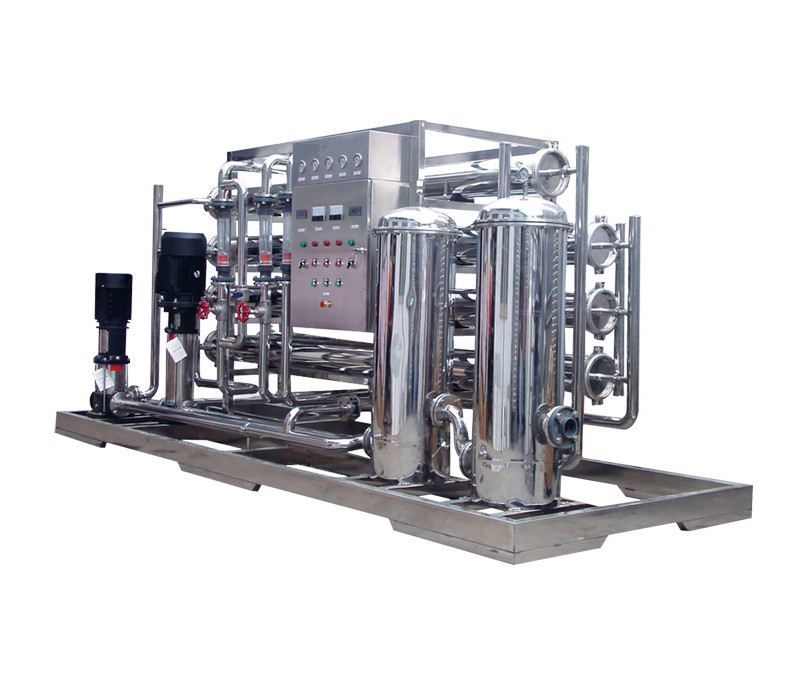
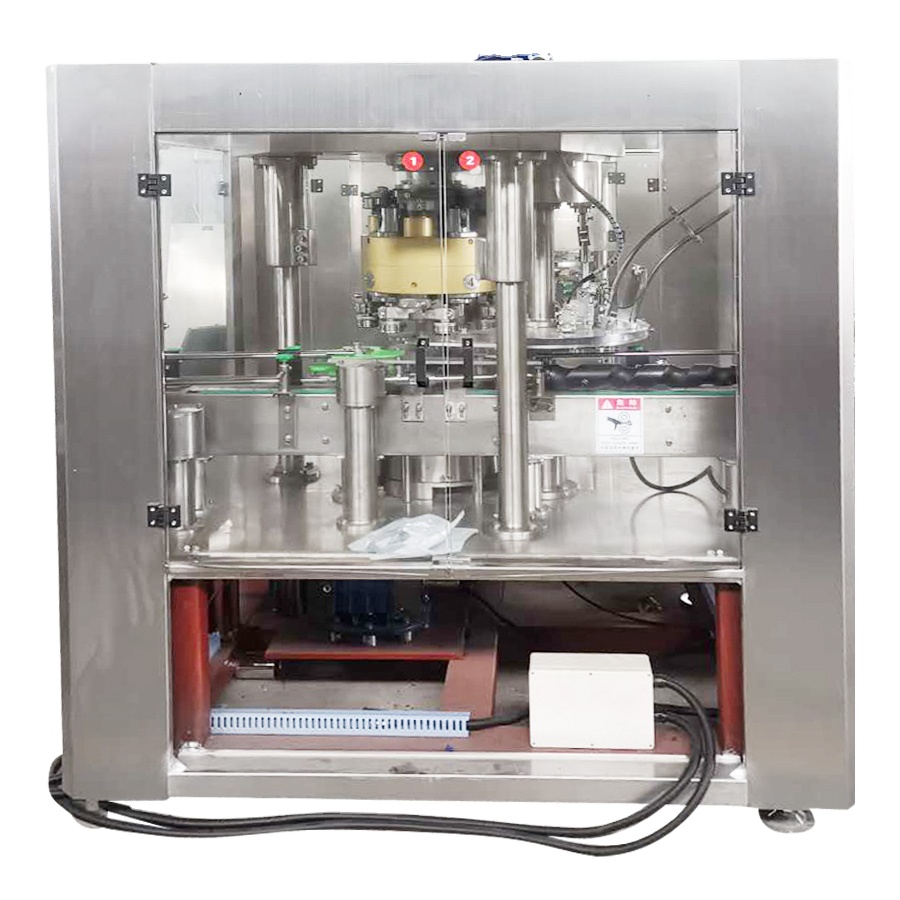
Executive Summary: Navigating China Wholesale Water Filling Machine Procurement
The global demand for commercially packaged drinking water—spanning purified spring water, mineralized table water, functional isotonic beverages, and carbonated waters—is experiencing unprecedented expansion. For procurement managers, plant engineering supervisors, and beverage startup directors, identifying dependable China wholesale water filling machine suppliers and wholesalers is a strategic imperative. China has evolved from a low-cost equipment sourcing hub into an international center for high-speed, servo-driven, ultra-hygienic beverage packaging line manufacturing.
However, navigate the Chinese OEM ecosystem requires deep insight into technical specifications, metallurgy, pneumatic design, automation PLC protocols, and hygienic engineering compliance. Zhangjiagang City in Jiangsu Province stands out as China's premier manufacturing cluster for liquid packaging machinery, concentrating decades of supply chain synergy, specialized machining centers, and experienced mechanical engineering talent.
Engineering Deep-Dive: Monoblock RFC (Rinsing-Filling-Capping) Systems
When evaluating water bottling equipment from Chinese manufacturers, understanding the mechanical kinematics of the filling carousels is paramount. High-speed lines rely on synchronous star-wheel bottle transfer systems operating under continuous rotary motion.
Rotary Rinser Module
Utilizes spring-loaded mechanical bottle grippers that flip PET containers 180 degrees over stainless steel rinsing nozzles. Precision water injection valves deliver sterile water or ozone-treated wash fluid, followed by sterile air blowing to eliminate residual drops.
Gravity / Pressure Filling Valve
Engineered with sanitary SUS316L stainless steel contact components. Filling liquid levels are accurately governed by precise mechanical vent tubes or micro-electromagnetic flowmeters, preventing turbulence, foaming, or fill-height variance across high-speed cycles.
Magnetic Torque Capping Head
Features magnetic hysteresis capping heads where torque settings can be adjusted smoothly without mechanical friction. This prevents plastic cap deformation, eliminates thread damage, and guarantees hermetic sealing integrity against micro-leakage.
Valve Technology Matrix: Mechanical Gravity vs. Mass Flow Meter Filling
| Evaluation Factor | Mechanical Gravity Level Filling | Electronic Mass Flow Meter Filling | Isobaric Pressure Filling (CSD) |
|---|---|---|---|
| Target Beverage | Still Water, Purified Water, Mineral Water | High-Value Electrolytes, Flavored Waters | Carbonated Water, Sparkling Beverages |
| Filling Precision | ±2mm Liquid Level Variance | ±0.2% Volumetric Accuracy | ±1.5mm Liquid Level Variance |
| CIP Integration | Manual CIP Dummy Cups | Automated Circulation CIP | Automated High-Pressure CIP |
| Capital Expenditure (CapEx) | Optimal / Cost-Effective Baseline | Premium / Advanced Electronics | Moderate to High Industrial Grade |
Manufacturer Spotlight: Lofsu Packing Machinery Co., Ltd.
As a prominent player among top-tier Chinese beverage packaging machinery manufacturers, Lofsu Packing Machinery Co., Ltd. (headquartered in Zhangjiagang, Jiangsu Province) represents the standard of Chinese industrial equipment design. Established in 2010, Lofsu has cultivated over 15 years of dedicated machinery development, specializing in turnkey water, juice, carbonated soft drink (CSD), beer, and container packaging lines.
Operating out of an audited 1,000 to 3,000 square-meter production facility, Lofsu integrates research, precision CNC machining, electrical assembly, and rigorous pre-shipment testing. The plant’s strategic positioning in the Leyu Town industrial corridor provides direct access to world-class metallurgy suppliers and pneumatic automation components.
Global Export Footprint
Exporting over 70% of total plant capacity across 30+ nations in North America, South America, the Middle East, Southeast Asia, Africa, Europe, and Oceania.
International Compliance
Full adherence to European Union Machine Directive 2006/42/EC, CE Certification standards, and ISO 9001 quality system management protocols.
Custom Electrical Engineering
Full customization of factory electrical cabinets supporting 220V–450V three-phase supplies at 50Hz or 60Hz to match destination electrical standards.
Future Procurement Trends in Water Bottling & Filling Lines (2025–2030)
Global beverage manufacturers face changing environmental regulations, surging energy costs, and demands for lightweight packaging. When sourcing water filling machinery from Chinese wholesalers today, procurement leaders must select modular equipment platforms that accommodate these forward-looking trends:
1. Ultra-Lightweight PET Bottling & Tethered Closure Compliance
To reduce plastic polymer consumption, bottle perform designs have thinned bottle walls down to structural limits. Modern stretch blow molding and monoblock filling lines must utilize delicate neck-handling neck-hanging bottle transfer rails. Furthermore, global environmental mandates (such as EU Directive 2019/904) require tethered caps to remain attached to containers. Bottling machinery ordered today must feature modified cap elevators, unscramblers, and capping chucks specifically calibrated for tethered cap geometries.
2. Energy-Saving High-Pressure Air Recovery Systems
PET bottle blowing consumes significant electrical power to drive high-pressure air compressors (up to 30–40 bar). Next-generation blow moulding systems incorporate multi-stage pneumatic air recycling valves. Exhaust air from the secondary bottle blowing process is recovered and redirected to low-pressure control pneumatics or pre-blowing stages, cutting total air compressor power usage by 25% to 35%.
3. Smart Factory IIoT & Remote Maintenance Architecture
Modern B2B buyers expect transparent machine metrics and instant troubleshooting. Top Chinese suppliers now equip main electrical control panels (PLC) with secure Industrial Internet of Things (IIoT) edge gateways. Through encrypted cloud channels, OEM software engineers in China can perform diagnostic routine checks, update PLC code, fine-tune servo motion profiles, and troubleshoot sensor faults remotely in real-time, drastically lowering downtime risks for overseas plants.
Total Cost of Ownership (TCO) Calculation for Bottling Line Investments
Evaluating a wholesale water filling machine purely on its initial FOB or CIF purchase price leads to inaccurate financial planning. Smart procurement strategies calculate Overall Equipment Effectiveness (OEE) against lifetime operational expenditures:
TCO = Capital Expenditure (CapEx) + Lifetime Maintenance (OpEx) + Energy Consumption + Water/Product Loss Costs - Salvage Value
Chinese suppliers like Lofsu optimize TCO by equipping water fillers with low-wear components, including German Festo/SMC pneumatics, Schneider electrical switches, and Mitsubishi/Siemens PLCs, alongside standardized SUS304 structural frames. This ensures that consumable spare parts can be sourced locally in any destination country, avoiding proprietary component lock-in.
Procurement FAQ: Sourcing Water Filling Lines from China
Direct technical answers addressing the most common operational and commercial questions raised by international buyers during supplier audits.