State-of-the-Art Liquid & Viscous Packaging Machinery
Explore precision-engineered automated solutions tailored for condiment processing, high-viscosity sauce filling, thermal preservation, and container sealing.
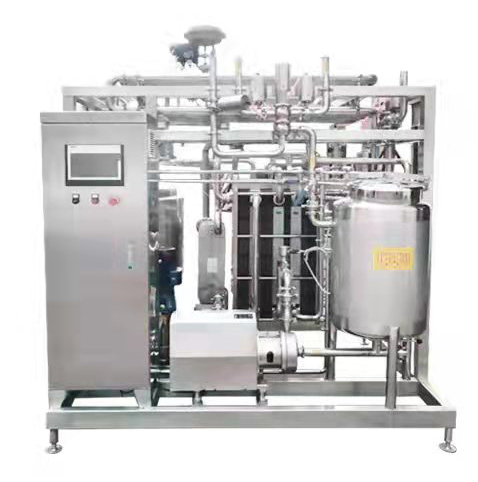
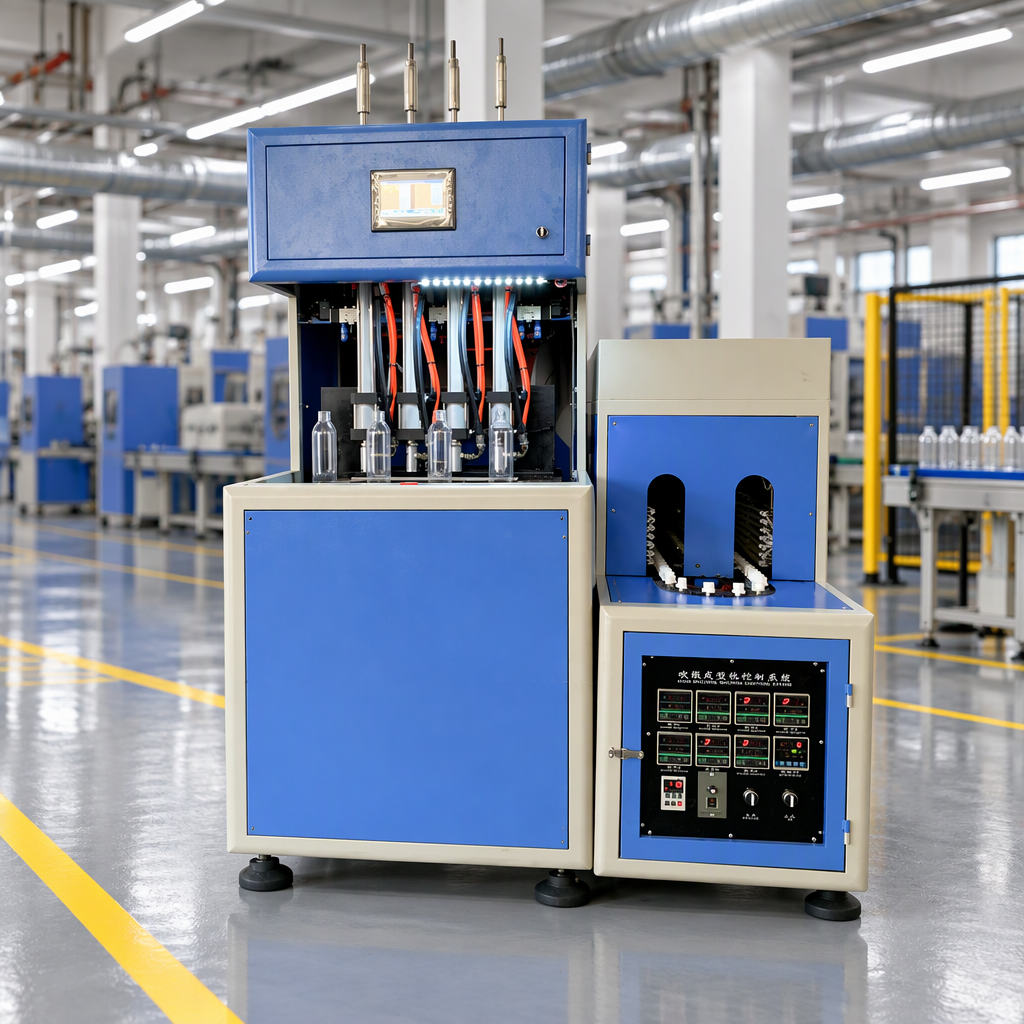
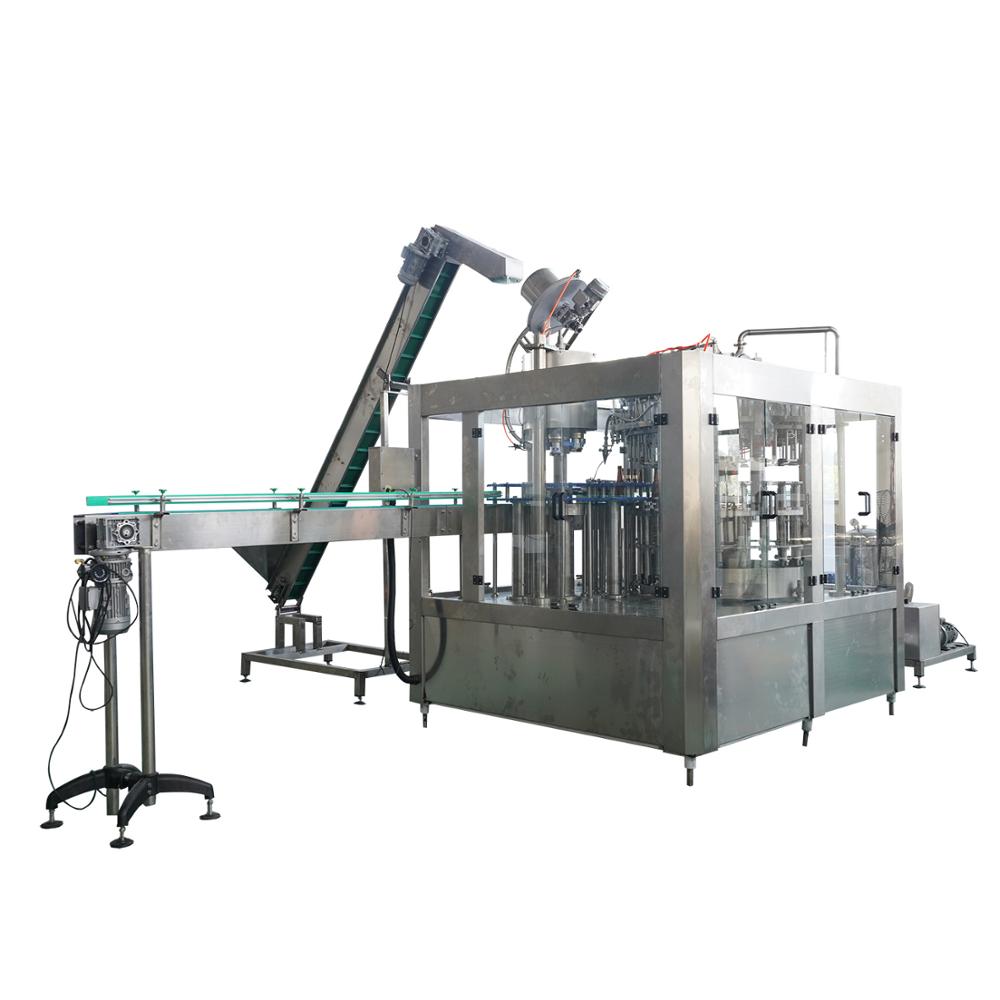
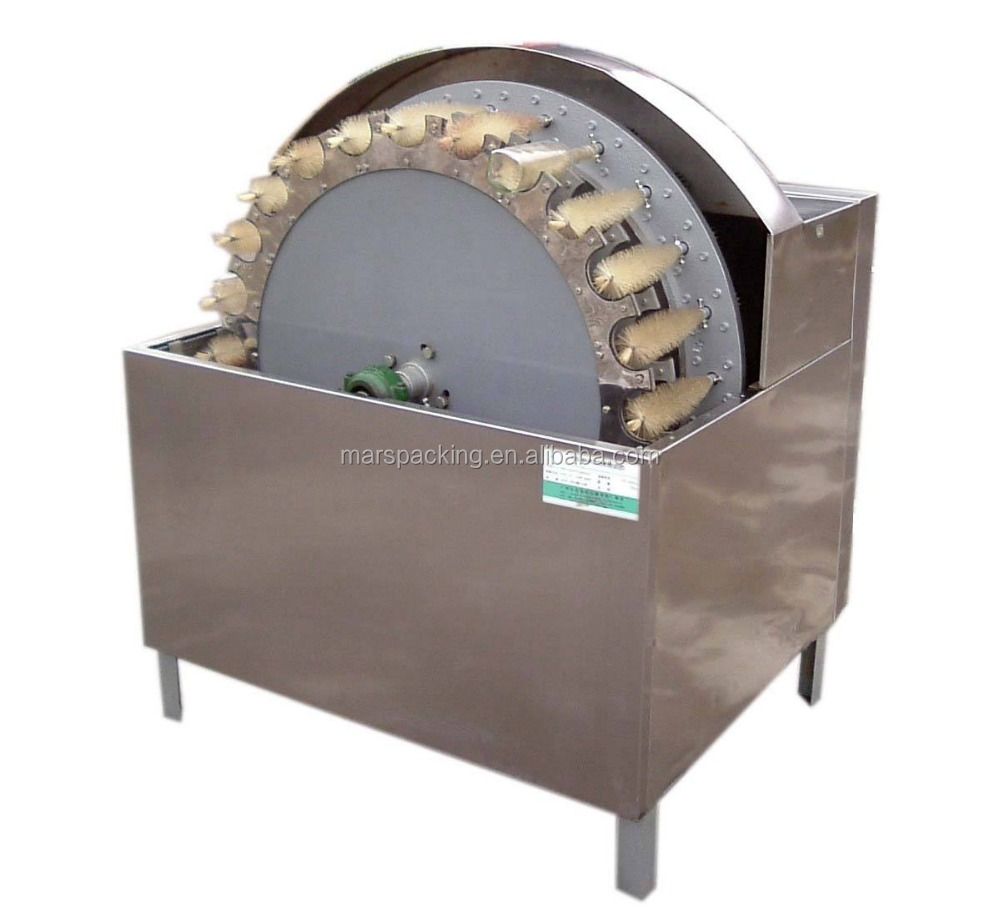
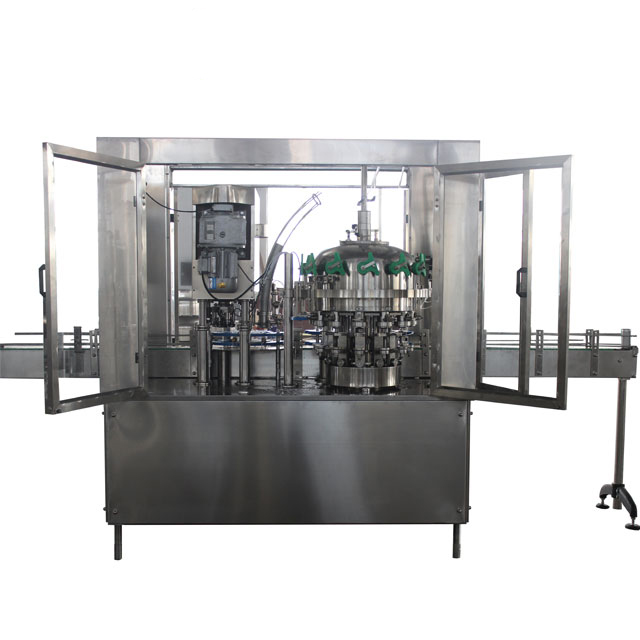

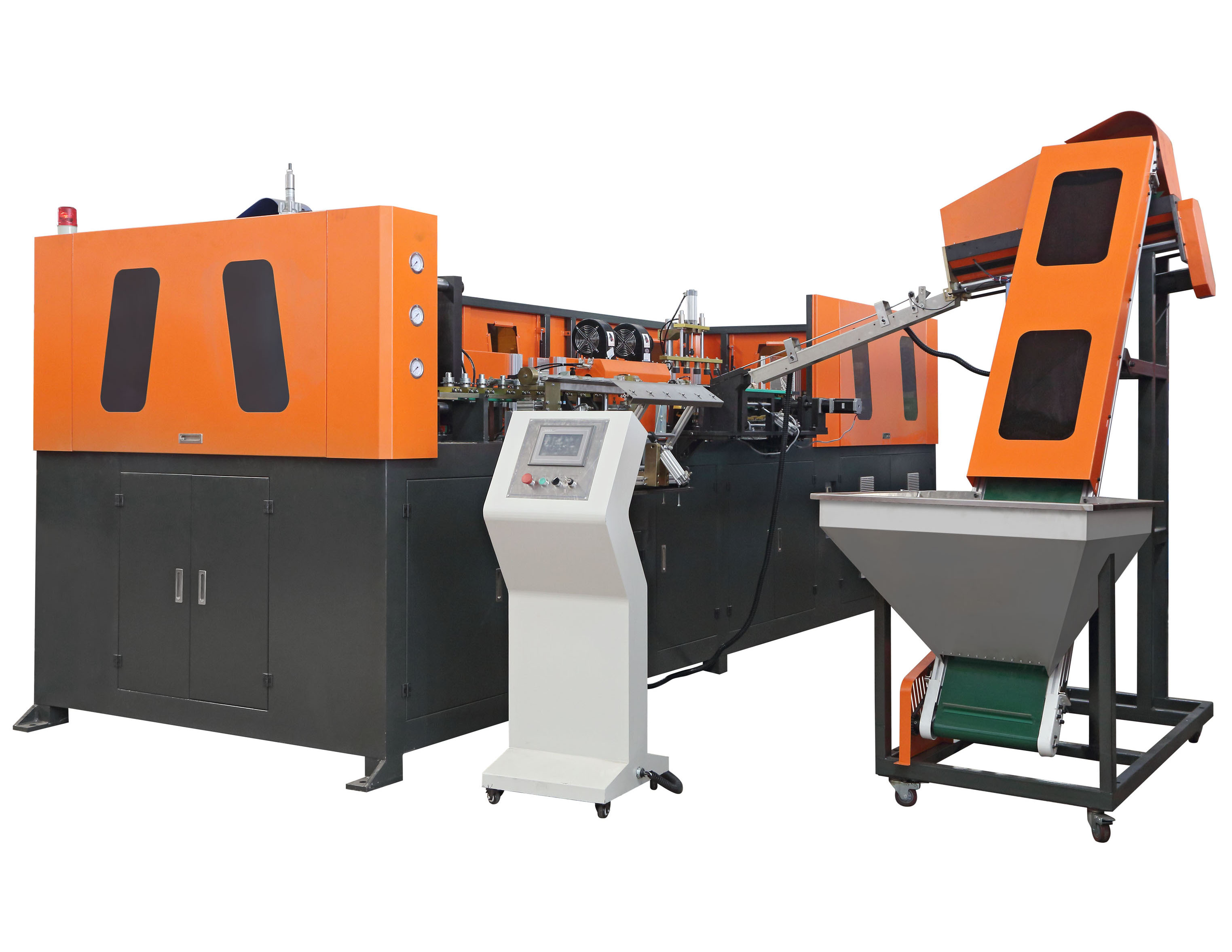
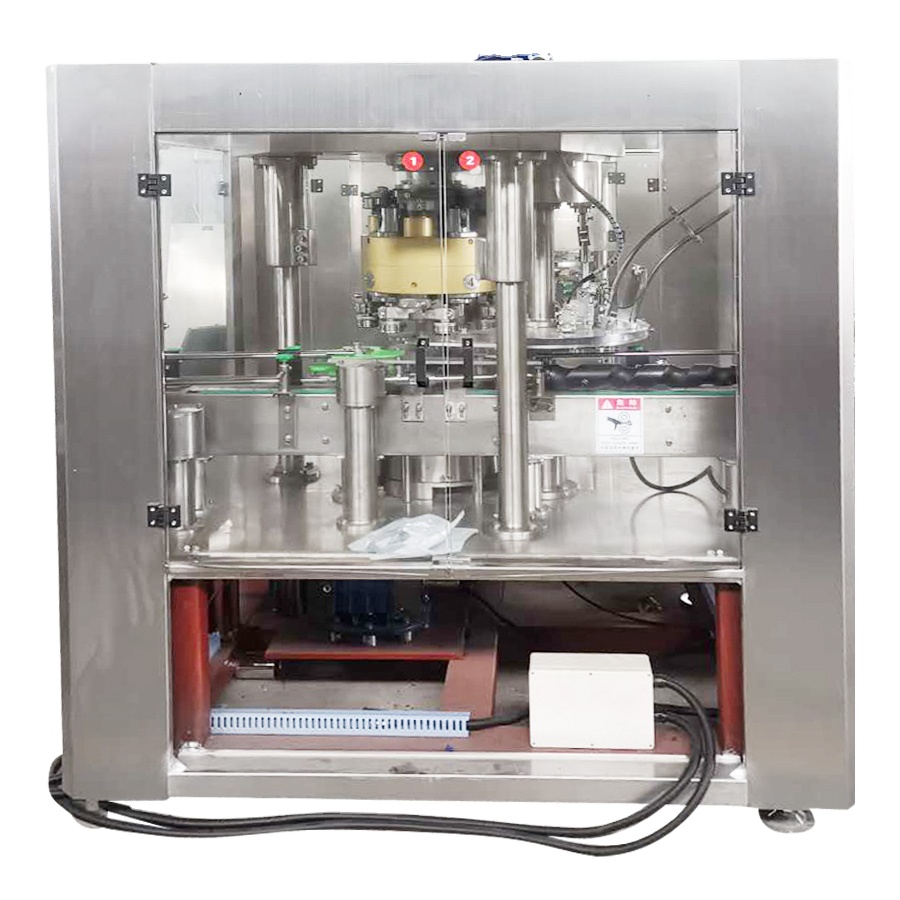
1. Executive Summary: The Evolution of Condiment Filling Engineering
The global condiment, sauce, and liquid seasoning industry is undergoing a structural transition toward ultra-hygienic, flexible, and high-speed automated packaging systems. Sourcing a robust condiment filling machine manufacturer & factory requires an in-depth understanding of rheological behavior, particle handling, vacuum twist capping, and thermal preservation engineering. Unlike low-viscosity aqueous beverages, condiments—ranging from non-Newtonian shear-thinning sauces like ketchup and chili paste to highly corrosive, salty liquids like soy sauce and vinegar—demand specialized fluid-path dynamics and volumetric precision.
Modern production facilities require turnkey versatility: lines must seamlessly handle varying bottle geometries (PET, glass, metal cans), viscosity spectrums (50 cPs to 50,000 cPs), and elevated dosing temperatures (up to 85°C–95°C for hot fill pasteurization) while upholding zero-drip, zero-aeration, and ultra-clean sanitary compliance (3-A, EHEDG, FDA 21 CFR Part 110).
Information Gain Benchmark: Yield Stress & Viscosity Engineering
Filling non-Newtonian condiments requires matching positive displacement piston stroke profiles or rotary mass flowmeters with anti-cavitation suck-back valves. Linear servo control eliminates liquid splashing and wall adhesion, reducing product waste by up to 1.8% compared to traditional pneumatic mechanically-driven lines.
1.1 Engineering Matrix: Dosing Mechanics for Diverse Condiment Rheologies
Selecting the optimal filling methodology is governed by liquid viscosity, thermal operating limits, presence of solid particulates (such as seeds or diced vegetables), and target throughput speeds. Below is a comparative technical evaluation matrix of primary filling methodologies applied in top-tier condiment factories:
| Dosing System Type | Primary Viscosity Range | Particulate Capability | Dosing Accuracy | Typical Condiment Applications |
|---|---|---|---|---|
| Servo Servo-Driven Piston | 1,000 – 50,000 cPs | Up to 15mm solids | ±0.2% – ±0.5% | Mayonnaise, Mustard, Chili Paste, Peanut Butter |
| Rotary Mass Flowmeter (Coriolis) | 1 – 10,000 cPs | Homogeneous only | ±0.1% – ±0.2% | Premium Soy Sauce, Olive Oil, Vinegar, Syrups |
| Gravity / Low-Pressure Overflow | 1 – 500 cPs | No solids | Level-consistent | Distilled Vinegar, Light Salad Dressings, Dipping Sauces |
| Hot Fill Thermal Recirculation | 100 – 8,000 cPs | Up to 8mm solids | ±0.5% | Tomato Paste, Barbecue Sauce, Hot Chili Glaze |
2. Future Sourcing & Technological Trends (2025–2030)
Procurement directors and plant engineering leaders must align capital expenditures with emerging technological macro-trends. The next decade of condiment filling machinery design will be dominated by four critical pillars:
1. Smart IIoT Dosing & Adaptive PLC Control
Integration of real-time mass-flow data with closed-loop servo feedback. Automatically corrects dosing stroke profiles when liquid viscosity fluctuates due to batch temperature shifts.
2. Hygienic CIP / SIP Integration
Automated Clean-in-Place and Sterilize-in-Place manifolds with pneumatic spray balls eliminate manual washdowns, reducing batch changeover sanitation downtime from 4 hours to under 45 minutes.
3. Steam-Injected Vacuum Twist Capping
Essential for glass jars of pickles, salsa, and gourmet sauces. Steam displacement technology creates an instant hermetic vacuum seal inside the head space, securing extended ambient shelf life.
4. Sustainable Light-Weighting Compatibility
Advanced handling starwheels and soft-touch mechanical gripper arms engineered to process ultra-thin PET containers and recycled glass jars without structural distortion or neck buckling.
5. Anti-Drip Bottom-Up Filling
Servo-actuated diving nozzles drop to the bottom of the container and rise synchronously with the liquid level, preventing entrapment of micro-bubbles and preventing collar contamination.
6. Rapid Toolless Changeover Systems
Modular guiding tracks, quick-release capping heads, and digitized recipe storage enable plant operators to switch bottle sizes (e.g., 250ml to 1000ml) in under 15 minutes.
3. Selection Benchmark: Evaluating a Top 10 Factory
When evaluating global original equipment manufacturers (OEMs) for condiment processing equipment, overseas procurement teams must look past surface-level quotes. A rigorous audit of engineering capabilities should focus on key technical compliance indicators:
3.1 Metallurgy & Chemical Compatibility Compliance
Condiments containing high acetic acid (vinegar) or sodium chloride concentrations (soy sauce, hot sauce) are highly corrosive to standard stainless steel grades. Top-tier manufacturers utilize SUS316L stainless steel for all liquid-wetted contact parts, alongside Hastelloy valves or PTFE/Viton seals, preventing heavy-metal leaching and equipment oxidation.
3.2 Sanitary Valve & Flow Dynamics
Piston cylinders and filling nozzles must feature zero-dead-leg geometry. Internal radii must exceed 0.8μm Ra surface finish standards to eliminate bacterial harboring pockets. Sanitary pneumatic rotary valves must be incorporated when handling chunky condiments containing particulates up to 10mm–15mm in diameter.
4. Enterprise Manufacturing Profile & Core Advantages
Located in the heart of China's premier packaging machinery industrial cluster in Zhangjiagang City, Jiangsu Province, our specialized manufacturing plant represents the golden standard in complete packaging system engineering. With over 15 years of dedicated R&D, we manufacture turnkey bottling, canning, blowing, thermal processing, and secondary end-of-line packaging systems.
1,000–3,000 m² Modern Assembly Plant
Equipped with high-precision CNC machining centers, automated laser cutting, and dedicated testing bays for complete dry-run and wet-run factory acceptance testing (FAT).
Global Electrical Grid Compatibility
Custom-built electrical enclosures matching 220V–450V three-phase power supplies at 50Hz or 60Hz. Fully integrated with Schneider, Siemens, and Mitsubishi PLC components.
Third-Party Audited & CE Certified
Our facility has undergone rigorous on-site verification by international inspection agencies. All machine lines comply fully with European CE Machinery Directive 2006/42/EC.
5. Frequently Asked Questions (Procurement FAQ)
Address key technical inquiries commonly raised by factory engineers, plant operations directors, and international procurement managers prior to contract signing:
Request a Custom Line Engineering Proposal & Layout CAD
Partner with a trusted industry leader. Share your container samples, product viscosity details, and target hourly output to receive a customized technical quote within 24 hours.
Inquire Now