Product Showcase
Featured Beverage & Packaging Machinery
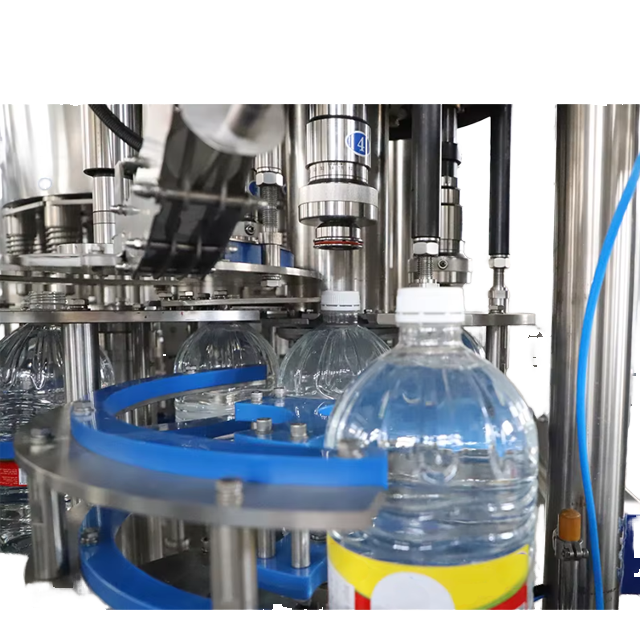
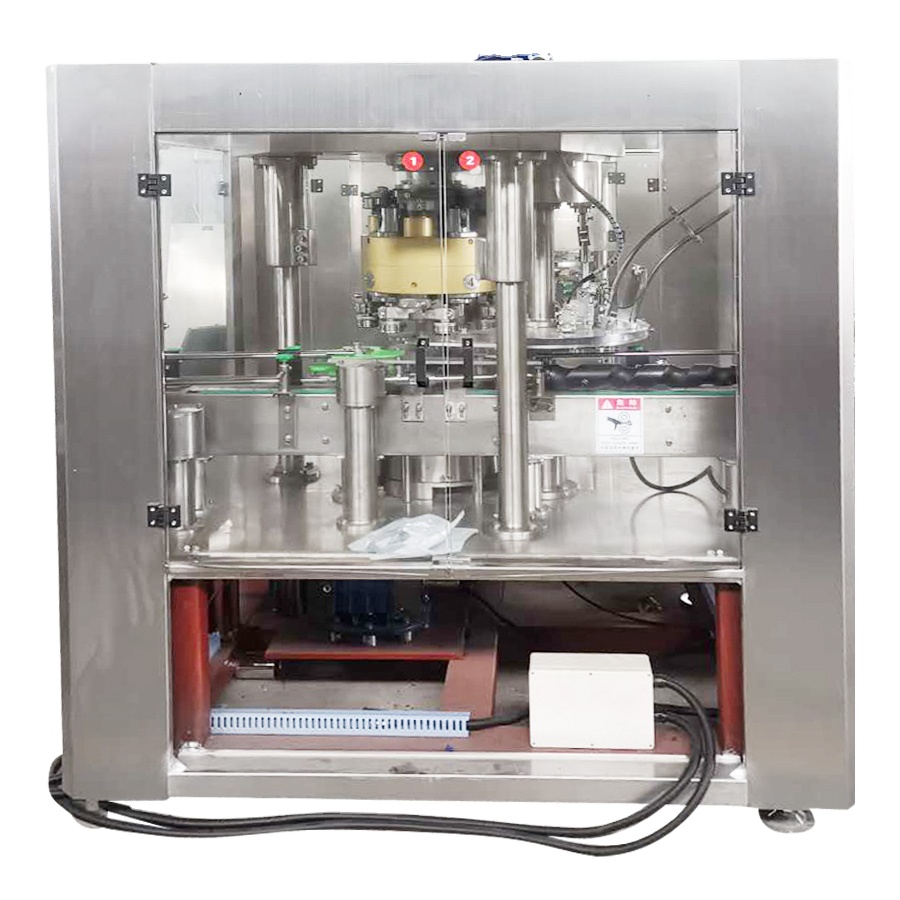
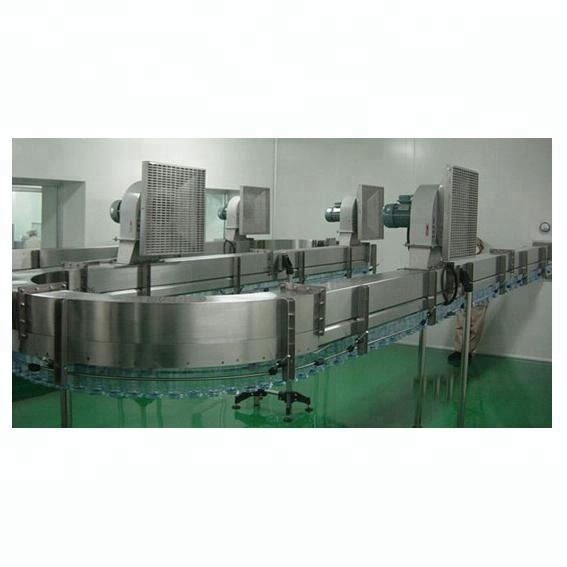
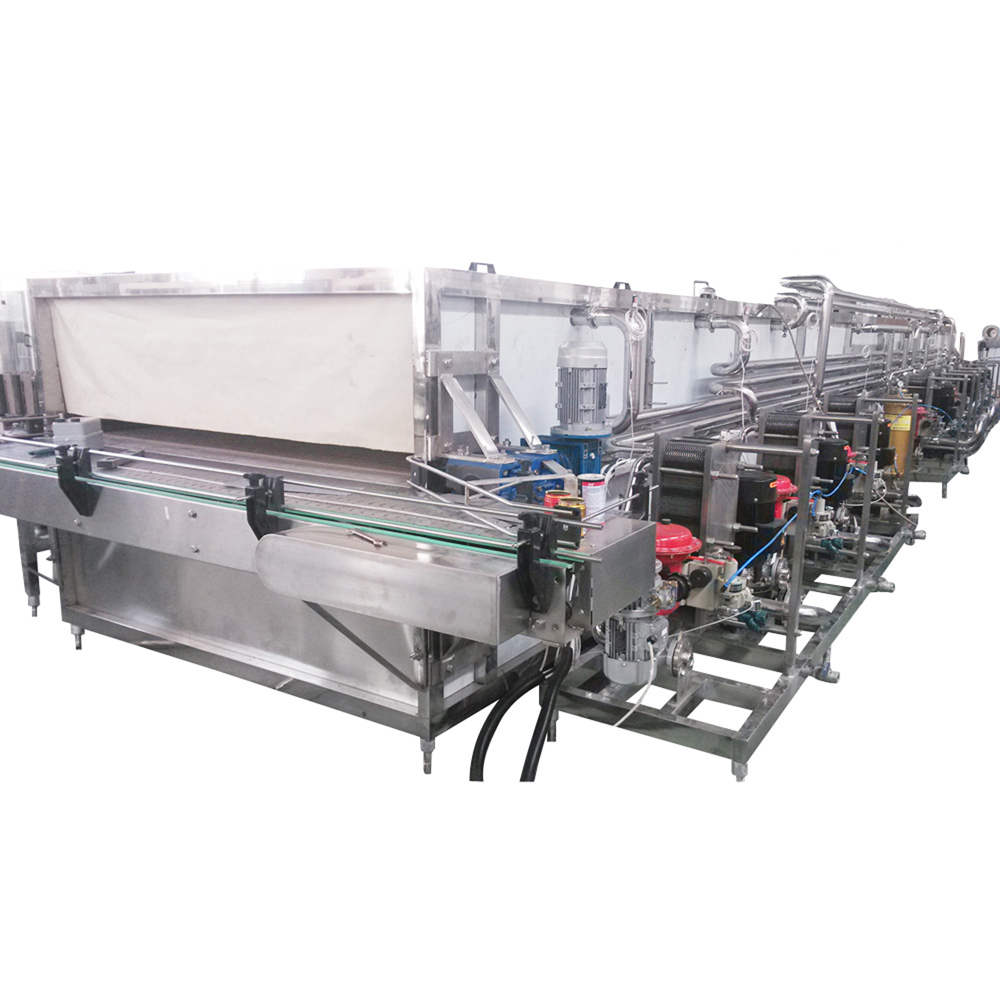
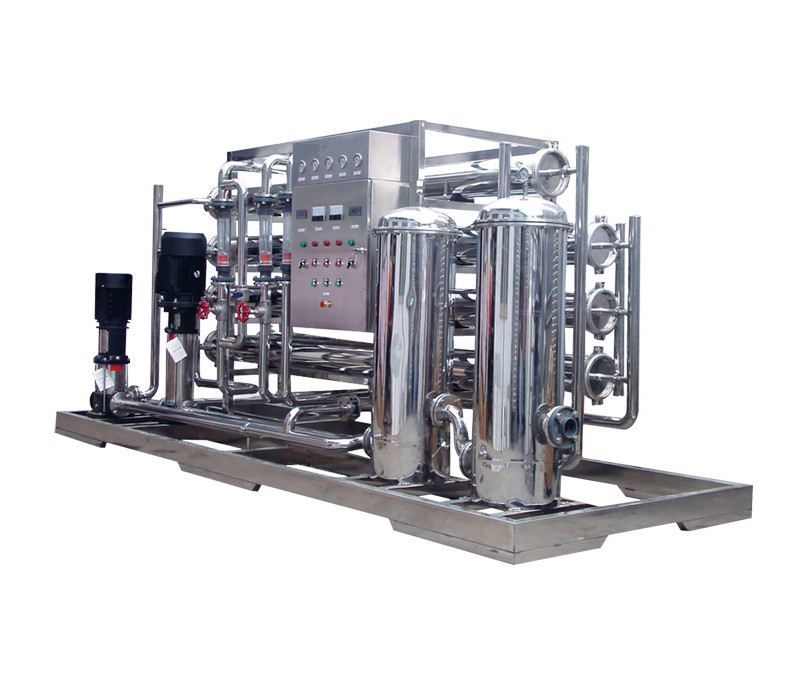
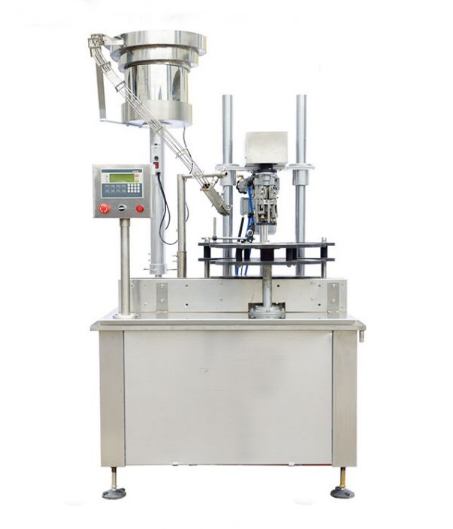
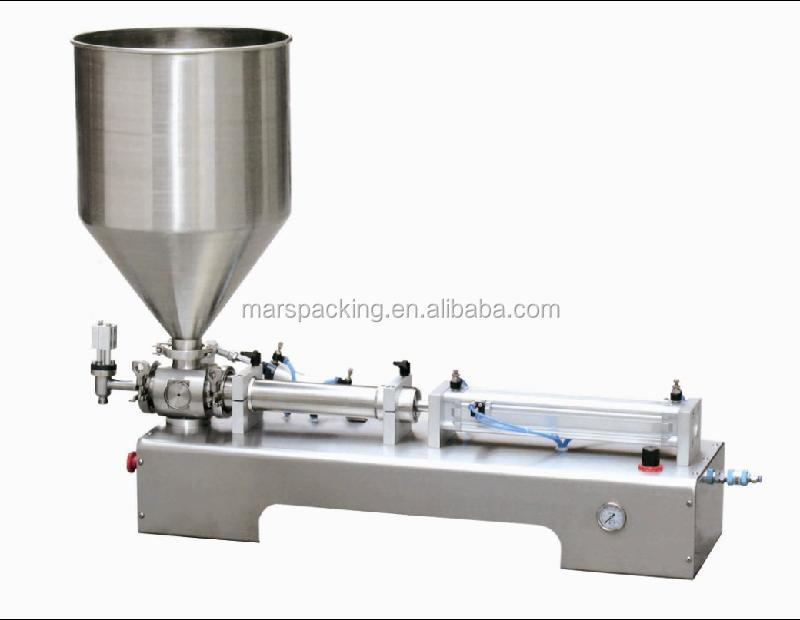
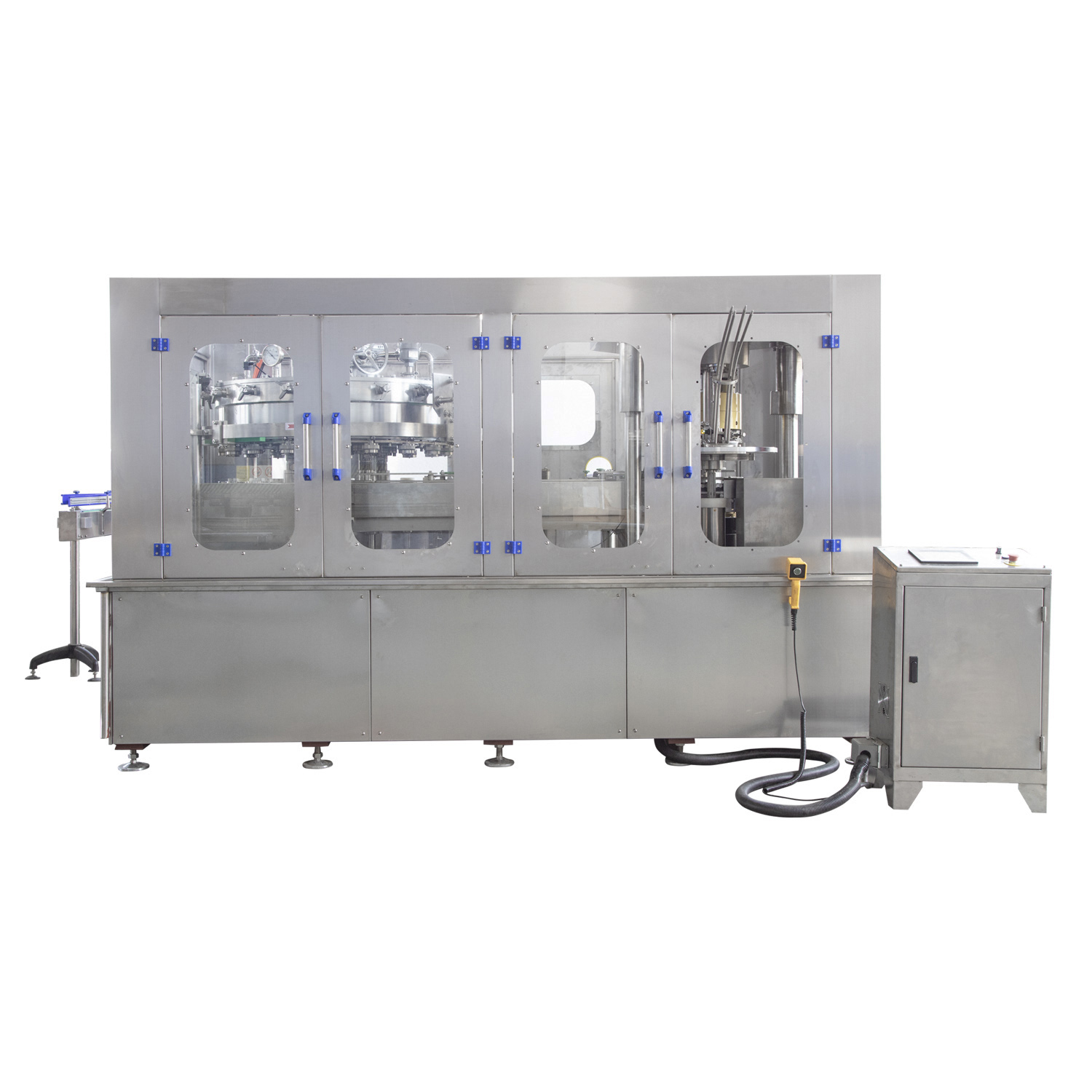
Explore high-precision liquid filling, seam closing, pasteurization, and conveying systems tailored for hot-fill juices, mineral water, carbonated soft drinks, and canned beverages.
36,000
Max BPH Line Capacity
85°C–92°C
Hot-Fill Thermal Standard
99.8%
Filling Volumetric Accuracy
30+
Global Export Markets
1. Executive Summary: The Juice Packaging Landscape in 2025 and Beyond
The global juice and liquid botanical beverage market is undergoing a structural transition driven by consumer demand for high-purity, low-preservative, and functionally rich formulations. From Not-From-Concentrate (NFC) orange juice and cold-pressed wellness shots to high-viscosity pulpy smoothies and aseptic botanical teas, packaging machinery must now balance rigorous microbiological safety with delicate nutritional preservation. Procuring a juice packaging line is no longer a simple exercise in mechanical selection; it is a complex capital expenditure decision involving micro-organism inactivation dynamics, thermal impact on ascorbic acid (Vitamin C), container structural integrity, and long-term Total Cost of Ownership (TCO).
This whitepaper evaluates the engineering paradigms defining modern juice packaging equipment. It reviews the top 10 global manufacturers and suppliers, outlines key mechanical criteria for procurement teams, details thermal pasteurization math, and provides clear benchmarks for evaluating operational efficiency (OEE), sanitary design (EHEDG/3-A standards), and total throughput economics.
Critical Procurement Insight: Thermal Degradation vs. Microbiological Kill Rate
Juice filling systems must achieve a minimum 5-log reduction of heat-resistant molds and spore-forming bacteria (such as Alicyclobacillus acidoterrestris). Choosing between Ultra-High Temperature (UHT) Hot Filling (typically 85°C–92°C for 15–30 seconds) and Aseptic Cold Filling determines container material selection (heat-resistant PET vs. light-weight rPET) and defines factory footprint, energy consumption, and capital payback periods.
2. Top 10 Juice Packaging Equipment Manufacturers & Suppliers Ranking
Selecting the right original equipment manufacturer (OEM) requires balancing line speed, flexibility, hygienic engineering, and capital investment. Below is an exhaustive breakdown of the industry's leading manufacturers based on global market presence, technical innovation, customization flexibility, and after-sales service infrastructure.
1
Lofsu Packing Machinery
Jiangsu, China • Founded 2010
A leader in customizable, high-reliability beverage packaging lines. Lofsu specializes in complete A-to-Z integrated bottling lines—from RO water treatment and juice preparation tanks to UHT sterilizers, 3-in-1 hot-filling monoblocks, bottle-inverting sterilizers, cooling tunnels, and automated wrap-around case packers. Known for robust SUS304/SUS316 stainless construction, low maintenance requirements, and factory-direct engineering support across 30+ countries.
2
Krones AG
Neutraubling, Germany
The benchmark for high-speed industrial packaging systems. Krones excels in high-capacity aseptic filling lines and large-scale bottling plants operating above 40,000 BPH. Premium pricing and extensive facility requirements target major multinational brands.
3
Tetra Pak
Lund, Sweden
The global leader in paperboard carton aseptic packaging. Tetra Pak offers end-to-end processing equipment and specialized carton fillers, dominant in shelf-stable ambient juice carton logistics.
4
Sidel (Tetra Laval Group)
Le Havre, France
A leader in PET bottle blowing, hot filling, and dry-decontamination aseptic technologies. Sidel's Combi systems integrate stretch blow molding with liquid filling in a single compact enclosure.
5
KHS GmbH
Dortmund, Germany
Renowned for durable container filling technology spanning glass bottles, aluminum cans, and PET containers. Strong focus on resource-conserving filler design and reduced CO2 footprints.
6
GEA Group AG
Düsseldorf, Germany
Specialists in upstream liquid processing, homogenizers, UHT pasteurizers, and blow-fill-seal aseptic systems for sensitive beverage and dairy applications.
7
SIG Combibloc
Linnich, Germany
A major supplier of sleeve-based aseptic carton packaging systems capable of dosing juices containing real fruit pulp, fibers, and gelatinous particulates.
8
Serac Group
La Ferté-Bernard, France
Pioneers in weigh-scale (net weight) filling technology. Serac fillers excel in high-accuracy liquid dosing, reducing product giveaway on costly premium juices and oils.
9
JBT Corporation
Chicago, USA
Dominant in citrus juice processing, extraction, primary juice treatment, and batch/continuous thermal processing systems.
10
Coesia S.p.A.
Bologna, Italy
An industrial group offering advanced robotics, pouch packaging, and secondary case-packing automation for diverse beverage formats.
3. Global OEM Technical Specification & Application Matrix
To evaluate potential partners, procurement directors must compare core operational envelope parameters. The following matrix contrasts primary equipment tiers across capacity, thermal handling, pulp capabilities, and capital efficiency.
| Manufacturer | Core Filling Tech | Speed Range (BPH) | Pulp & Particulate Handling | Sanitary Standards | Target Capex Tier |
|---|---|---|---|---|---|
| Lofsu Packing Machinery | Hot-Fill Rotary Monoblock / Gravity / Isobaric | 2,000 – 24,000 | Up to 10mm fibers (Piston/Flowmeter) | SUS304 / SUS316L / CIP / CE | Optimal High-ROI |
| Krones AG | Aseptic / Isobaric Volumetric Rotary | 10,000 – 72,000 | Dual-stage valve pulpy dosing | EHEDG / 3-A / Ultra-clean | Premium Enterprise |
| Tetra Pak | Aseptic Carton Linear In-Line | 3,000 – 24,000 | Integrated tubular dosing | FDA / EHEDG Aseptic | High Capital + Film Contract |
| Sidel | Blow-Fill Combi / Dry Aseptic | 12,000 – 60,000 | Piston & magnetic flowmeter | 3-A / EHEDG / Steris | Premium Enterprise |
| Serac | Net-Weight Scale Dosing | 3,000 – 18,000 | No-contact weight nozzles | USDA / EHEDG Sanitary | Upper Mid-Tier |
4. Deep Mechanical Engineering: Core Juice Packaging Technologies
Juice packaging requires strict sanitary and environmental controls to maintain thermal integrity, eliminate micro-organisms, and preserve product flavor. Understanding these core packaging technologies is critical when evaluating equipment specs.
3-in-1 Monoblock Design
Integrates bottle rinsing, filling, and capping on a single structural frame and starwheel transfer system. Minimizes ambient exposure, reduces machine footprint by up to 40%, and eliminates intermediate conveyor friction.
Hot Filling & Recirculation
Maintains juice temperature between 85°C and 92°C. Automated return-flow valves divert product back to the UHT buffer tank if line stoppage drops filling valve temperatures below the microbicidal threshold.
Bottle-Inverting Sterilization
Immediately following capping, bottles are inverted 45° to 90° for 15–30 seconds. The hot liquid sterilizes the interior surface of the cap and neck finish without chemical additives.
Multi-Zone Cooling Tunnel
Gradually lowers bottle temperature from >85°C down to ambient (~30°C) through warm, tempered, and cold water spray zones. Prevents thermal shock, bottle vacuum collapse, and water condensation during labeling.
Engineering Deep Dive: Addressing Vacuum Collapse and Thermal Shrinkage
When juice cools inside a sealed PET container, the internal head-space steam condenses, creating a negative pressure differential (up to -0.3 bar). Standard lightweight beverage bottles will buckle under this vacuum stress. Packaging engineers must choose between three distinct remedies:
- Heat-Set Vacuum PET Bottles: Designed with structural vacuum panels and reinforced rib geometries that flex inward under thermal pressure without distorting the outer profile.
- Liquid Nitrogen Injection (LN2 Dosing): A cryogenic dose of liquid nitrogen is injected into the headspace immediately before capping. The rapid phase expansion from liquid to nitrogen gas pressurizes the bottle, neutralizing internal vacuum forces upon cooling.
- Ribless Rigid Containers / Hot-Fill Glass: Utilizes glass or high-density plastic structures impervious to negative pressure differential, often paired with deep-lug metal vacuum caps.
5. Future Trends in Juice Packaging: Sustainable, Smart & Hybrid Lines
Procurement decisions made today must remain resilient over a 10- to 15-year operational lifecycle. Machinery buyers should plan for three key technology shifts reshaping liquid food packaging lines:
Sustainability
100% rPET & Ultra-Lightweighting
Regulatory mandates in the EU and North America require higher percentages of recycled PET (rPET). Advanced filling valves now feature contact-free neck handling and magnetic levitation grippers to process heat-sensitive, thin-walled rPET bottles without structural damage.
Smart Industry 4.0
Real-Time Brix & OEE Monitoring
Next-generation fillers incorporate inline refractometers and mass flowmeters directly connected to central Siemens SCADA systems. The machine automatically rejects bottles failing Brix target tolerances or fill levels without stopping the main carousel.
Flexibility
Multi-Beverage Hybrid Lines
To maximize facility utilization, producers are shifting away from single-purpose machines. Hybrid filling monoblocks handle high-temperature hot filling (juices, teas), ambient water filling, and isobaric carbonated drink filling through recipe-driven PLC quick changeovers.
6. Lofsu Machinery: Custom Manufacturing Excellence & Turnkey Leadership
Located in Zhangjiagang City, Jiangsu Province—China's premiere manufacturing cluster for liquid packaging technology—Lofsu Packing Machinery Co., Ltd. has designed, engineered, and commissioned complete bottling and canning lines for over 15 years.
Lofsu offers a compelling value proposition for growing beverage brands and co-packers seeking European-quality components, robust mechanical design, and high return on investment without prohibitive capital costs.
Sanitary Metallurgy
All product-contact surfaces are constructed from certified SUS316L stainless steel with mirror-polished internal finish (Ra < 0.4μm) to prevent bacterial bio-film accumulation.
Premium Electronics
Standardized on Siemens S7-1500 PLC control, Schneider electrical contactors, Airtac pneumatics, and Sick photoelectric detection sensors for long-term global spare-part availability.
Rigorous FAT & Testing
Every machine undergoes a mandatory 72-hour Factory Acceptance Test (FAT) with actual customer preforms, bottles, and caps before export packing in seaworthy wooden crates.
Turnkey Capability
Complete A-to-Z plant coverage: water treatment systems, juice blending skids, blow molding, filling monoblocks, labeling machines, and automated shrink wrapper/case packaging equipment.
7. Procurement FAQ: Juice Packaging Equipment
Key technical and operational questions evaluated by project managers, plant engineers, and procurement specialists prior to placing an equipment order.
What production capacities do Lofsu juice bottling lines cover?
Lofsu manufactures standard rotary monoblock lines starting from 2,000 bottles per hour (BPH) for small-to-medium beverage producers, up to fully automated 24,000 BPH high-speed bottling lines. Custom linear fillers are also available for specialty pilot lines starting at 500–1,500 BPH.
What is the difference between Hot-Filling and Aseptic Cold-Filling for juice?
Hot filling heats juice to 85°C–92°C, fills the bottle while hot, and uses the liquid's thermal energy to sterilize the inner container walls. Aseptic filling sterilizes both the beverage (via UHT) and the bottle/cap (via chemical peracetic acid or H2O2 vapor) separately before filling in a sterile cleanroom at room temperature. Hot-fill lines require lower initial capex and simpler operation, whereas aseptic lines preserve fresh flavor better and allow lightweight PET bottles, but require higher investment and strict sterile room maintenance.
How do Lofsu filling machines handle juice containing real fruit pulp or fibers?
For pulpy beverages (e.g., orange juice with cell sacs, mango nectar, aloe vera drinks), Lofsu utilizes specialized pneumatic piston valves or magnetic flowmeter valves with enlarged flow passages and anti-drip cut-off nozzles. For high-density pulp, a two-stage filling system can be configured: dosing the pure pulp/cells first, followed by liquid juice filling on a single monoblock turret.
Can machine electrical components be configured for my country's power grid?
Yes. While standard factory industrial configuration is 380V 3-Phase 50Hz, Lofsu custom-configures all motors, heating elements, frequency drives (VFDs), and PLCs for 220V, 415V, 440V, or 480V at 50Hz or 60Hz depending on your facility's local electrical standards (North America, South America, Middle East, Europe, Asia, Africa).
What CIP (Clean-In-Place) integration features are provided?
Lofsu filling monoblocks include automated CIP return cups that attach to the filling nozzles during wash cycles. The PLC features pre-programmed CIP recipes (Rinse, Caustic Wash, Acid Wash, Sterile Water Rinse) capable of interfacing with centralized CIP stations or standalone skid units to ensure thorough thermal and chemical sanitation up to 90°C.
How are bottle changeovers handled for different container sizes?
Lofsu utilizes quick-change starwheels, guide plates, and modular bottle neck grippers. Height adjustments for rinsing, filling, and capping heads are motorized via touchscreen PLC control. A complete container changeover (e.g., from 350ml to 1.5L PET) can typically be completed in 30 to 45 minutes by trained operators.
How is quality verified before equipment leaves the factory?
Every machine undergoes a rigorous Factory Acceptance Test (FAT). Customers send container samples (preforms, bottles, caps) to our workshop. We perform continuous 72-hour test runs evaluating fill-level accuracy, torque consistency, seam integrity (for cans), and emergency safety systems. Live video inspections and full FAT reports are provided prior to shipment.
What international certifications do Lofsu machines possess?
All Lofsu packaging machinery complies with European Union Machinery Directive 2006/42/EC and holds valid CE certification. Pressure vessels and sterilizers comply with relevant safety norms, and all food-contact stainless steel components come with material mill certificates (SUS304 / SUS316L).
What lead time and shipping options are standard for overseas orders?
Standard manufacturing lead time ranges between 30 to 60 days depending on machine complexity and line integration scope. We provide flexible global logistics support under EXW, FOB, CFR, CIF, DDP, and DDU delivery terms, complete with export-grade vacuum sealing and reinforced wooden box crating.
What after-sales service and installation support is provided?
Lofsu dispatches experienced mechanical and electrical commissioning engineers directly to your plant site worldwide for line installation, fine-tuning, and comprehensive operator training. Furthermore, 24/7 remote technical support and fast-dispatch spare part kits ensure maximum line operational uptime.