Precision Aluminum Can Fillers & Turnkey Packaging Equipment
Explore our high-performance rotary filling, seaming, pasteurization, and water treatment equipment engineered in China's leading beverage machinery manufacturing hub.

Automatic Soda Water Filling Canning Machine for Carbonated Soft Energy Drink
View Product Details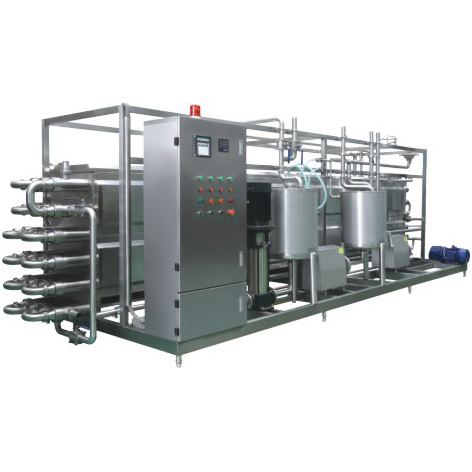
Small Automatic Plate Type Pasteurizer with Pump New Condition for Farm Industries-for Milk Ketchup Juice Beer & Egg
View Product Details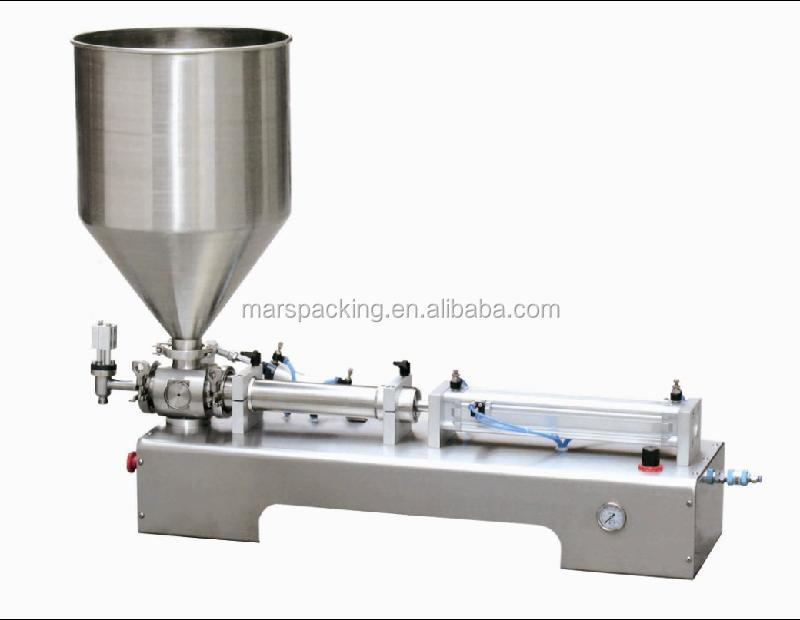
Semi Automatic Double Heads Tabletop Beverage Filling Machine with 2 Nozzles Pneumatic for Plastic & Paper Packaging
View Product Details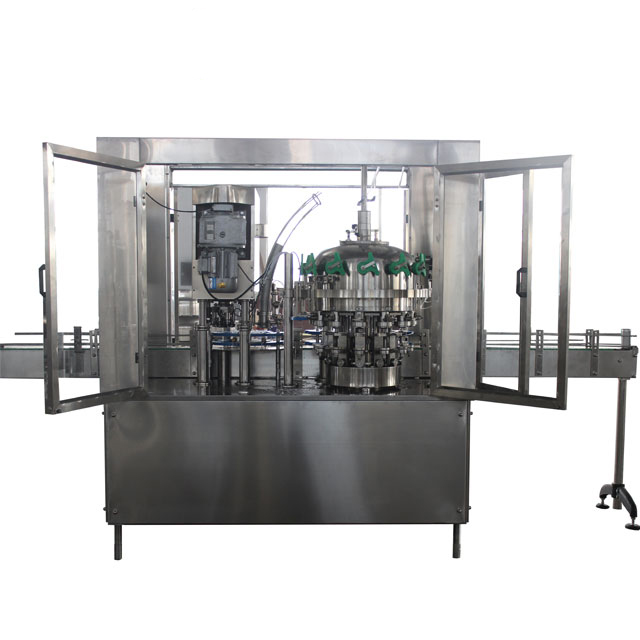
GDF12-1 Automatic Beer Can Filling Sealing Machine 12 Nozzle Aluminum Can Filler 2000 BPH Beverage Packaging Equipment
View Product Details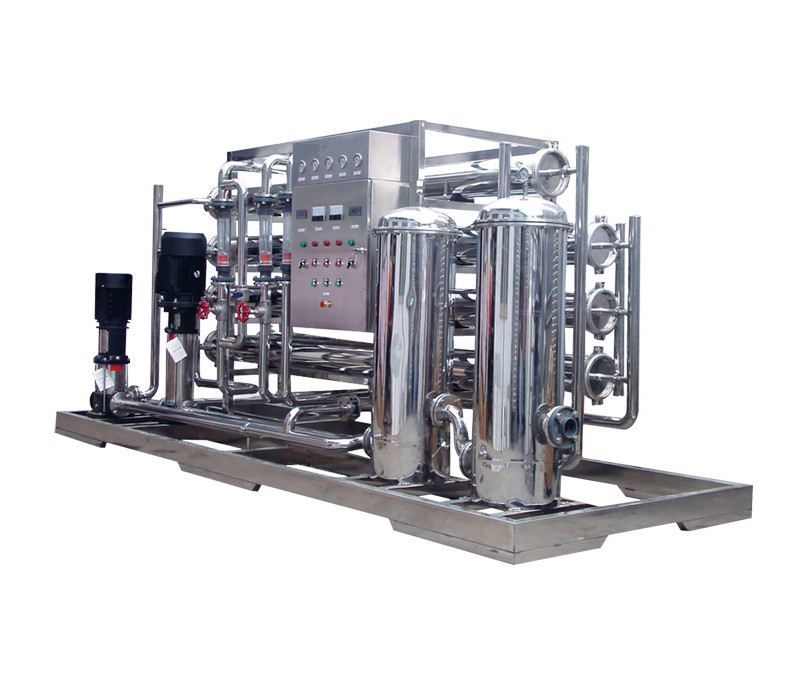
Mars Reverse Osmosis Water Treatment System 3000L/Hour 800W 380V Pump Water Purification Equipment
View Product Details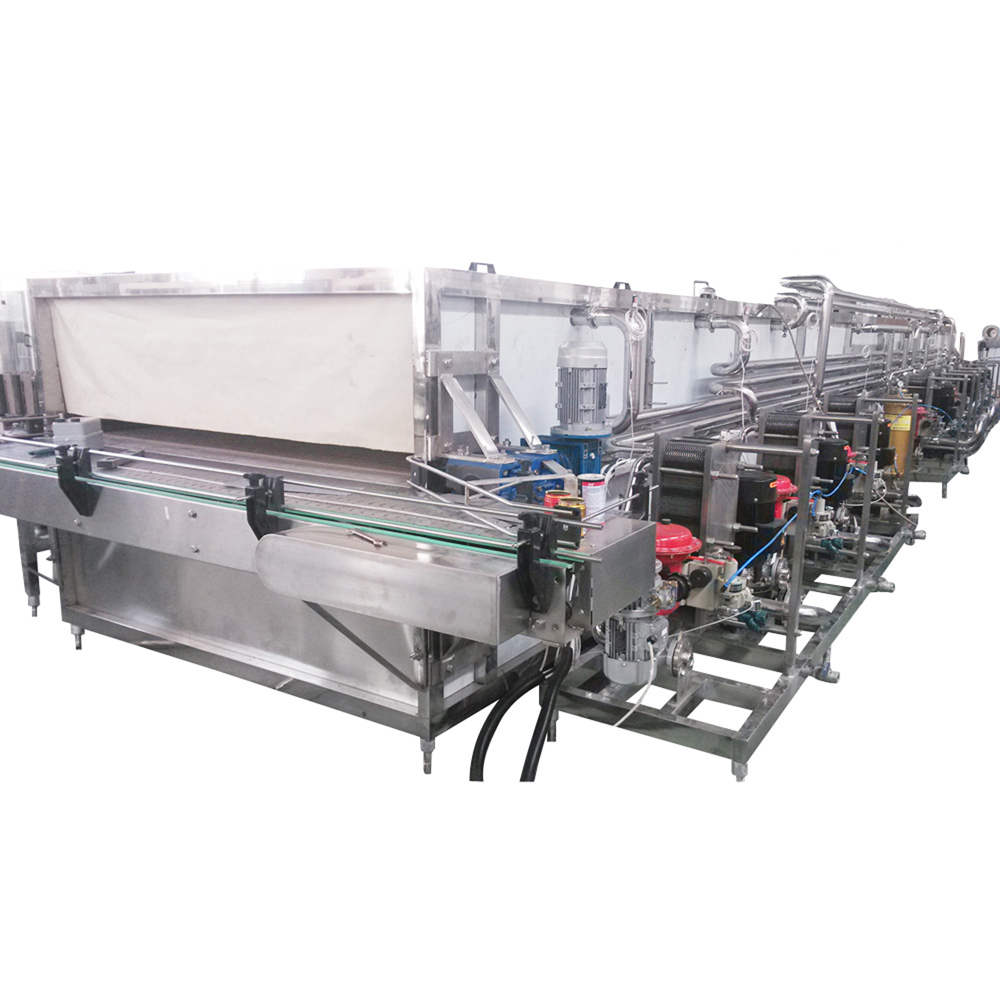
Automatic Tunnel Pasteurizing Machine SUS304 Stainless Steel Bottle Pasteurizer 380V 6.6Kw for Beverage
View Product Details
12000BPH 6 Cavity PET Bottle Stretch Blow Molding Machine Semi-Automatic Variable Pitch Mineral Water Production
View Product Details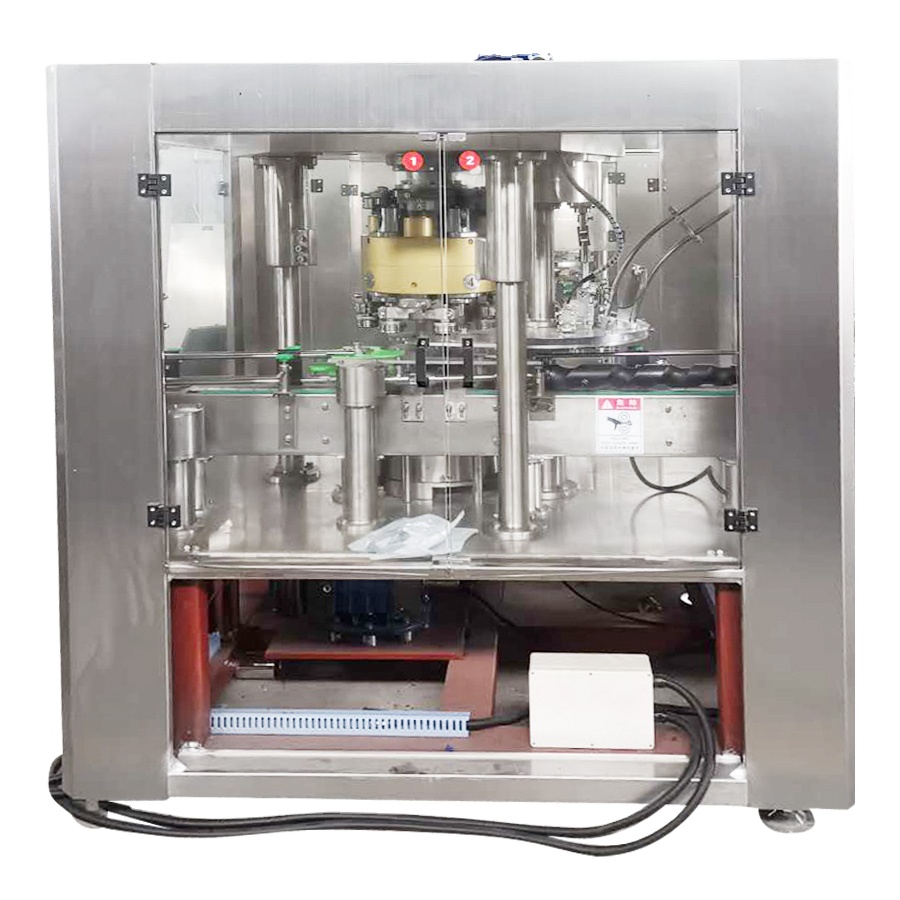
Four Head Automatic Rotary Tin Can Sealing Machine Mechanical Can Closing Equipment for Beverage Packaging
View Product DetailsExecutive Overview: China’s Role in Global Aluminum Can Filling Innovations
The global beverage packaging industry is witnessing a structural migration toward two-piece aluminum cans driven by consumer demand for infinitely recyclable packaging, superior light barrier protection, and rapid thermal conductivity. Modern beverage brands—spanning craft beer, functional energy drinks, carbonated soft drinks (CSD), sparkling water, and Ready-To-Drink (RTD) cocktails—require high-speed, low-oxygen pickup aluminum can filling lines to safeguard product stability and extend shelf life.
China has emerged as the premier manufacturing ecosystem for high-precision, industrial-grade aluminum can fillers and automated double-seaming machines. Utilizing centralized industrial clusters such as Zhangjiagang in Jiangsu Province, Chinese Original Equipment Manufacturers (OEMs) like Lofsu Packing Machinery Co., Ltd. integrate advanced European mechanical designs with state-of-the-art Siemens and Mitsubishi PLC automation. This convergence delivers high-reliability canning lines operating at outputs ranging from 2,000 to over 36,000 cans per hour (CPH) at a fraction of Western capital expenditure.
Engineering Architecture: Isobaric vs. Electromagnetic Flowmeter Filling Systems
Selecting the optimal aluminum can filler requires a thorough understanding of liquid fluid dynamics, CO2 carbonation pressure retention, and oxygen exposure mechanics during the filling phase. Chinese machine builders utilize two primary mechanical filling architectures tailored to specific liquid viscosities and gas concentration requirements:
1. Mechanical Isobaric Counter-Pressure Filling
Specifically engineered for carbonated beverages (soda water, CSD, carbonated energy drinks, and pressurized beer), isobaric filling balances tank pressure with container backpressure prior to liquid displacement.
- Pre-Evacuation & CO2 Purging: Prior to liquid valve actuation, the aluminum can is flushed with food-grade CO2 to strip residual atmospheric ambient oxygen.
- Isobaric Equalization: Mechanical valves pressurize the thin-walled aluminum vessel (typically to 0.25–0.40 MPa) to prevent CO2 degassing during fill cycles.
- Snifting & Pressure Relief: Controlled multi-stage venting prevents foam eruption, preserving liquid carbonation intensity and preventing volume loss.
2. Non-Contact Electromagnetic Flowmeter Filling
Ideal for premium still liquids, pulp-infused juices, RTD coffees, and dairy-based canned beverages requiring aseptic hygiene compliance.
- Electronic Metering Precision: Magnetic flowmeters (such as Endress+Hauser or Krohne) dynamically measure volume with ±0.2% repeatability without contacting internal can walls.
- Liquid Nitrogen (LN2) Dosing Integration: For non-carbonated soft drinks, liquid nitrogen injection systems drop precise LN2 micro-doses into the can immediately before seaming to create structural rigidity and eliminate head-space oxygen.
- Clean-in-Place (CIP) Automatic Loops: Includes sanitization cups that automatically clamp onto filling nozzles, enabling closed-loop 85°C hot water and chemical sterilization.
Engineering Benchmarks: Mechanics Comparison Matrix
| Technical Parameter | Mechanical Isobaric Filler | Electronic Flowmeter Filler | Gravity / Piston Can Filler |
|---|---|---|---|
| Primary Target Beverage | Beer, Carbonated Drinks, Sparkling Cider | High-value RTD Tea, Cold Brew, Juice | Viscous Sauces, Condensed Oils, Soups |
| Filling Speed Range (CPH) | 2,000 – 36,000+ CPH | 3,000 – 48,000+ CPH | 1,000 – 12,000 CPH |
| Dissolved Oxygen (DO) Control | Ultra-Low (< 30–50 ppb with CO2 flush) | Ultra-Low (< 20–40 ppb with LN2 dosing) | Moderate (> 100 ppb) |
| Container Compatibility | Standard 330ml/500ml, Sleek 355ml, Slim 250ml | Multi-format short-changeover setups | Rigid Tin Cans & Large Jars |
| CIP Automation Level | Semi-Automatic / Manual Fake Cans | Fully Automated CIP Cup Engagement | Manual Wash-down |
Seam Integrity & Micro-Leak Prevention: The Mechanics of Double Seaming
A high-speed aluminum can filler is only as effective as its paired seaming unit. Aluminum cans feature thin walls (often less than 0.09mm at the mid-body), making them vulnerable to body crushing under improper axial forces. China's premier suppliers utilize heavy-duty four-roll or six-roll synchronized rotary double seamers designed with hardened tool steel (SKD11 / Titanium Nitride Coated Stainless Steel).
First Operation Seam Roll (Hooking)
The first operation roller curls the cover (end) flange under the body flange of the aluminum can. Precision cam tracks ensure uniform force application without crushing thin body walls, establishing the essential overlap ratio.
Second Operation Seam Roll (Ironing)
The second operation roller flattens and ironed the double seam under high mechanical pressure, compressing the compound lining inside the end groove to form a 100% hermetic gas-tight seal capable of holding high internal pressure.
Synchronized Servo-Driven Lifters
Modern Chinese seaming heads discard antiquated spring-loaded lifters in favor of pneumatic or servo-controlled bottom plate lifters, ensuring consistent target seam thickness, seam length, and hook overlap across extended runs.
Key Technological Trends Shaping Aluminum Can Filler Sourcing
As global packaging lines transition toward industry 4.0, procurement directors must evaluate equipment based on long-term technological trajectory. The leading trends transforming China's packaging machine manufacturing landscape include:
A. Ultra-Fast Changeover for Sleek, Slim & Standard Cans
Contract packers and co-packers no longer rely on single-can formats. Next-generation filling monoblocks incorporate quick-change starwheels, tool-less height adjustment screws, and dual-diameter seam chucks capable of switching between 250ml Slim, 355ml Sleek, and 500ml Standard cans in under 30 minutes.
B. Low-Oxygen (DO) Bubble Suppression Tech
To eliminate off-flavors and premature oxidation in beer and wine packaging, top Chinese manufacturers use high-pressure under-cover gassing (UCG) combined with ultrasonic foam stimulation just prior to lid placement, ensuring oxygen levels stay under strict international standards.
C. Smart Diagnostics & Automated Double Seam Inspection
Integration of inline seam camera monitors and vibration sensors detects minor seam defects (such as split covers, false seams, or droops) in real-time, automatically triggering pneumatic reject arms without halting the primary production line.
D. Energy-Efficient Drives & Reduced Media Consumption
Engineered with VFD (Variable Frequency Drive) main motors, direct-drive gearboxes, and closed-loop water recirculation systems, modern fillers achieve up to 25% lower electrical power demand and significantly reduced CO2 consumption during purge cycles.
Future Sourcing Trends for Global Beverage Procurement Teams
International buyers from North America, Europe, the Middle East, and Latin America are restructuring their machinery supply chains. When sourcing aluminum can fillers from China, leading beverage enterprises are focusing on key operational models:
- Turnkey "A-to-Z" Line Responsibility: Sourcing individual machines from disparate vendors creates operational friction during factory acceptance testing (FAT). Buyers increasingly demand full responsibility from a single qualified factory—encompassing water treatment (RO), sugar dissolving systems, flash pasteurizers, filling/seaming monoblocks, tunnel cooling/warming, sleeve labeling, and wraparound case packing.
- Modular Container Standardization: Factories that build standardized modular frames using world-class electrical brands (Schneider Electric, Omron PLCs, Festo pneumatics, SMC valves) allow overseas maintenance teams to source replacement components locally without line downtime.
- Remote Augmented Reality (AR) Commissioning: Leading factories now offer high-definition video acceptance trials, remote PLC programming via VPN modules, and AR-guided step-by-step installation support for rapid site commissioning.
Lofsu Packing Machinery: Enterprise Overview & Factory Superiority
Headquartered in Zhangjiagang City, Jiangsu Province—the core hub of China’s liquid packaging machinery sector—Lofsu Packing Machinery Co., Ltd. has established itself as an authoritative manufacturer and exporter of turnkey beverage bottling and canning lines since 2010.
Verified Manufacturing Base
Operating a modernized production facility audited on-site by international inspection bodies, Lofsu houses dedicated CNC machining centers, dynamic seaming test benches, and digital assembly bays.
Hygienic Grade Materials
All liquid contact components are fabricated strictly from food-grade SUS304 or SUS316L stainless steel, utilizing sanitary tri-clamp fittings and mirror-polished internal piping to eliminate bacterial harborage sites.
International Compliance
Lofsu machinery fully satisfies EU CE Directives (2006/42/EC Safety of Machinery) and electrical standards (220V–450V, 50/60Hz three-phase customization), ensuring seamless integration into global factory grids.
Sourcing & Engineering FAQ: Sourcing Aluminum Can Fillers from China
Below are authoritative responses to the most critical technical and commercial inquiries submitted by procurement directors, brewery managers, and plant engineers during vendor evaluation.
What is the realistic production speed range for Chinese aluminum can fillers?
Production speeds depend on container size, liquid carbonation levels, and head configurations. Compact linear or small rotary units (e.g., GDF12-1 12-head models) operate efficiently between 1,500 and 3,000 CPH, making them ideal for craft breweries and specialized pilot plants. Medium to large industrial rotary monoblocks (ranging from 18 to 50+ nozzles) deliver verified speeds from 6,000 to over 36,000 CPH with precise liquid fill control.
How do Lofsu can fillers achieve low Dissolved Oxygen (DO) pickup in canned craft beer?
Lofsu integrates a dual-stage oxygen reduction cycle. First, the open aluminum can undergoes high-efficiency CO2 flushing inside the sealed filling chamber. During filling, isobaric counter-pressure prevents ambient air entry. Finally, an Under-Cover Gassing (UCG) system sweeps CO2 or Nitrogen gas across the top of the liquid immediately before the end cover is placed by the seamer chuck, resulting in total DO pickup consistently below 30 ppb.
Can a single aluminum can filler handle both carbonated soft drinks and still beverages?
Yes. By specifying a hybrid isobaric can filler equipped with bypass mechanical valving and integrating a Liquid Nitrogen (LN2) dosing module, the line can run high-carbonation beverages (like soda water or CSD) under pressure, and quickly switch to still beverages (like iced tea, juice, or flavored water) by applying micro-nitrogen drops to maintain internal can pressure after seaming.
What parameters are inspected during the Factory Acceptance Test (FAT)?
Prior to seaworthy packaging, every machine undergoes a continuous 48-hour endurance test using actual sample cans and lids provided by the buyer. Key FAT verification parameters include: liquid fill volume accuracy (±1.5g), double seam tear-down analysis (verifying body hook, cover hook, overlap ratio, and seam tightness >85%), noise emission level (<78dB), and CIP thermal loop resistance.
How are machine electrical components matched to destination country power grids?
Standard Chinese domestic industrial power is 380V 50Hz. However, export machines produced by Lofsu are built custom to order to match local factory electrical supplies: 220V 60Hz 3-phase (USA/Mexico), 415V 50Hz (Australia/UK), or 460V 60Hz (North America). Main PLCs, VFD frequency converters, and servo drives are sourced with international CE/UL compliance certificates.
What spare parts and routine maintenance are required for double seamers?
Seaming rollers, seaming chucks, and lower plate lifter springs represent primary wear items subject to friction. Lofsu includes an initial 2-year operational spare parts kit with each shipping order, featuring spare SKD11 titanium-coated rollers, pneumatic seals, and CIP cup gaskets. Scheduled lubrication of seamer cam tracks is required every 8 hours of continuous operation.
Accelerate Your Beverage Canning Project Today
Speak directly with Lofsu senior design engineers to request a custom line layout CAD drawing, detailed machinery quotation, or video factory trial demonstration.
Contact Us