High-Performance Bottling & Thermal Processing Units
Featured liquid processing, filling, and packaging machinery manufactured to rigorous CE standards and engineered for integration into continuous high-capacity production lines.
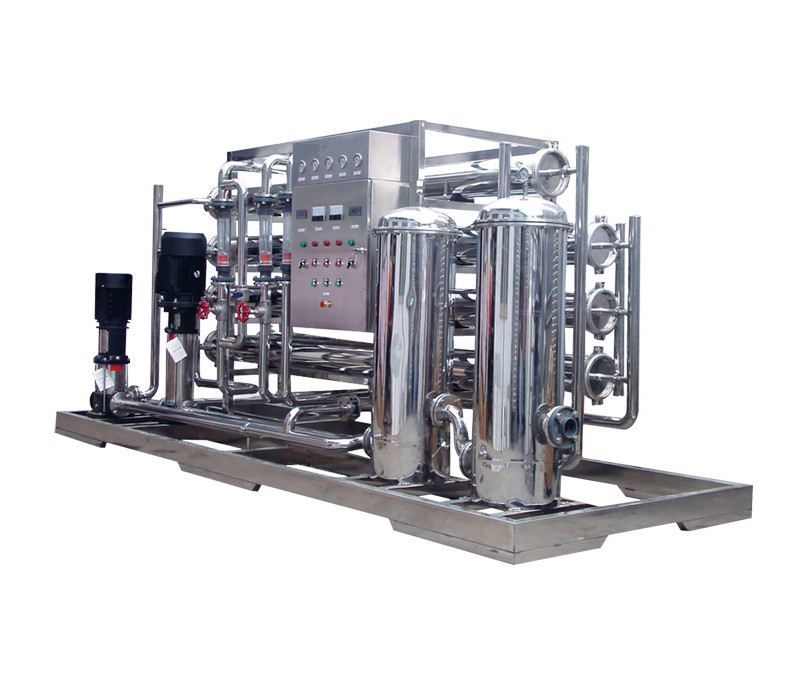
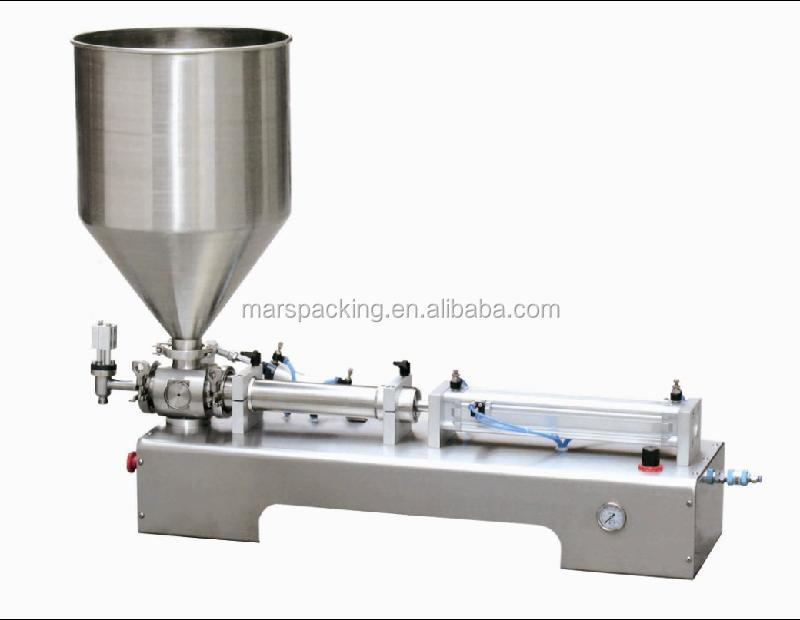
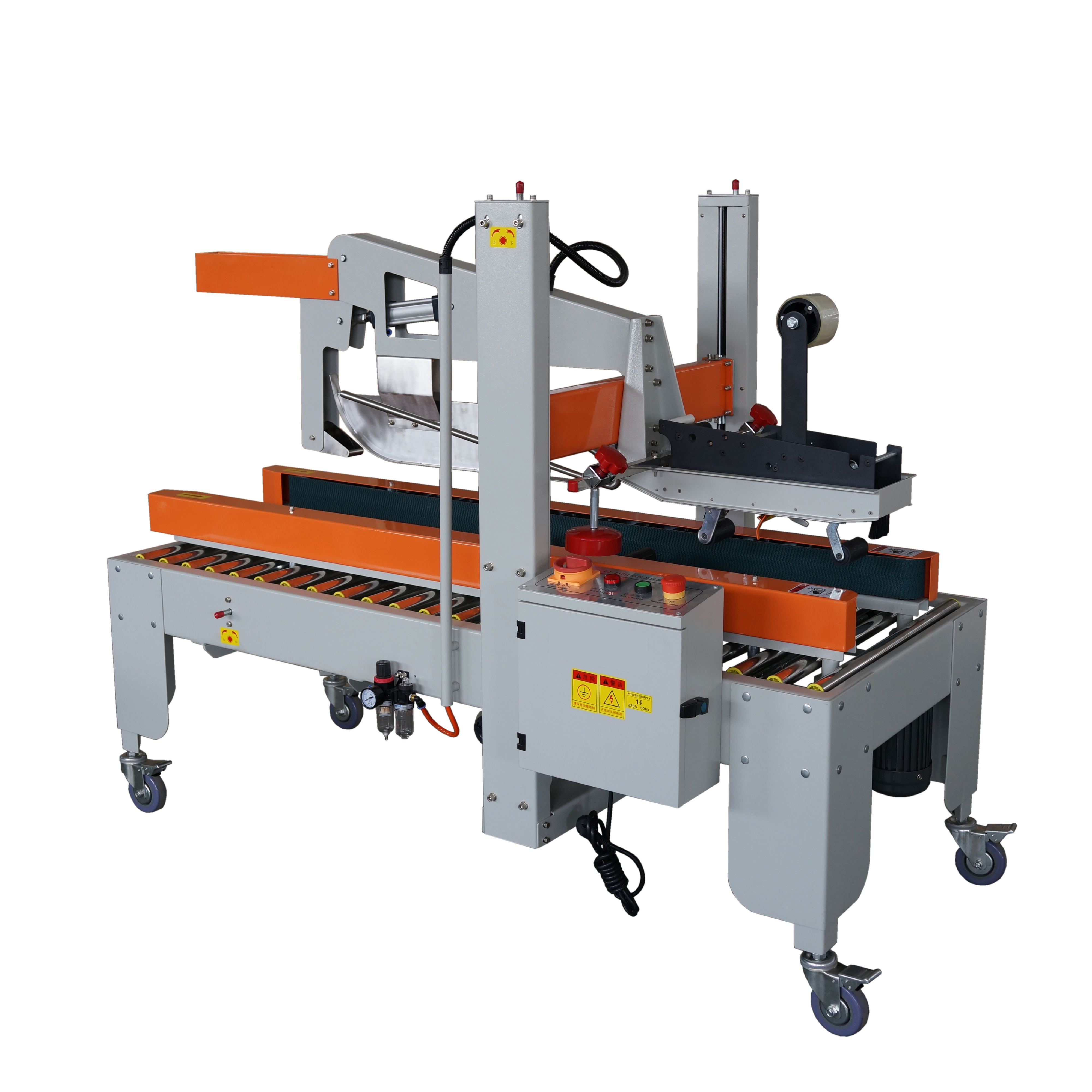
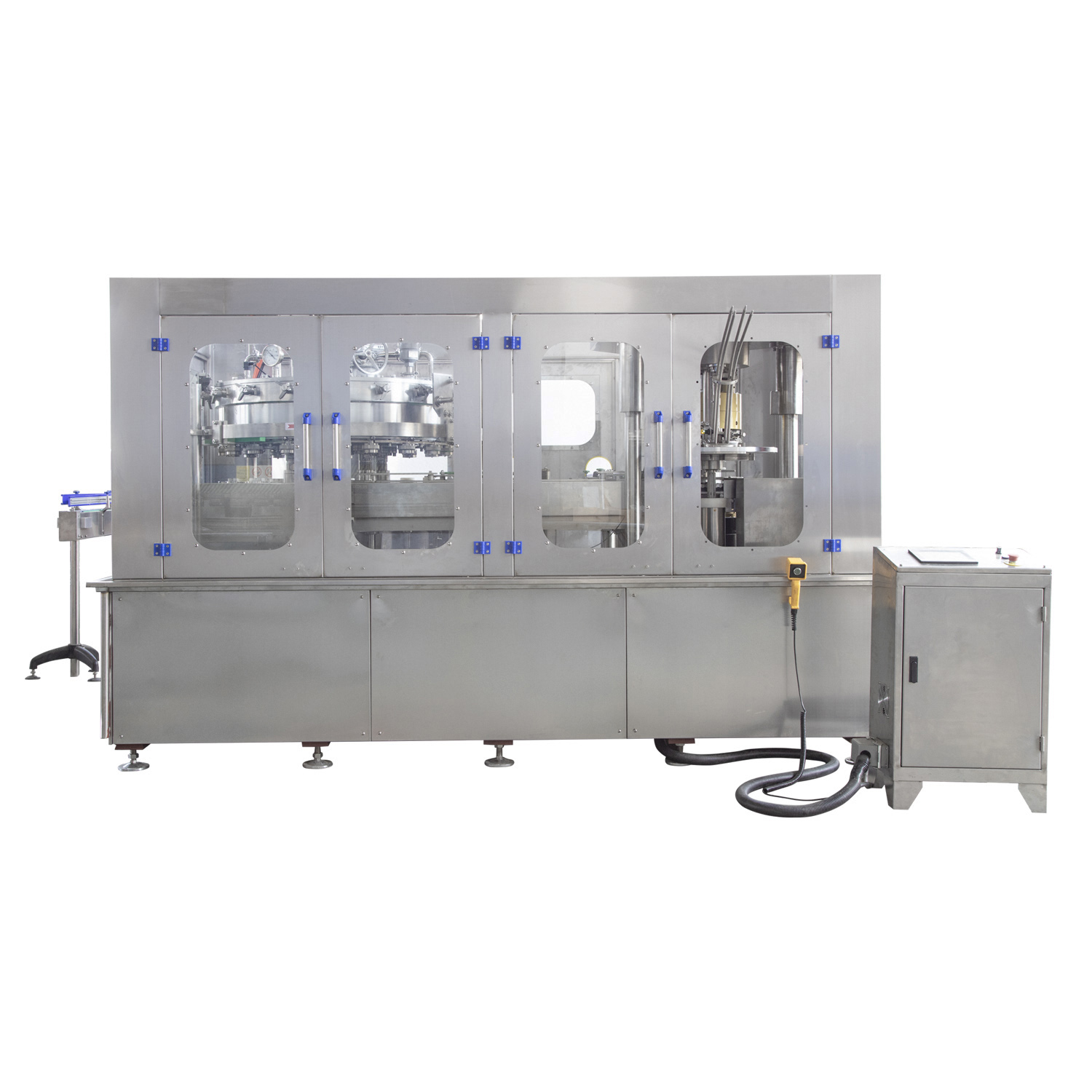
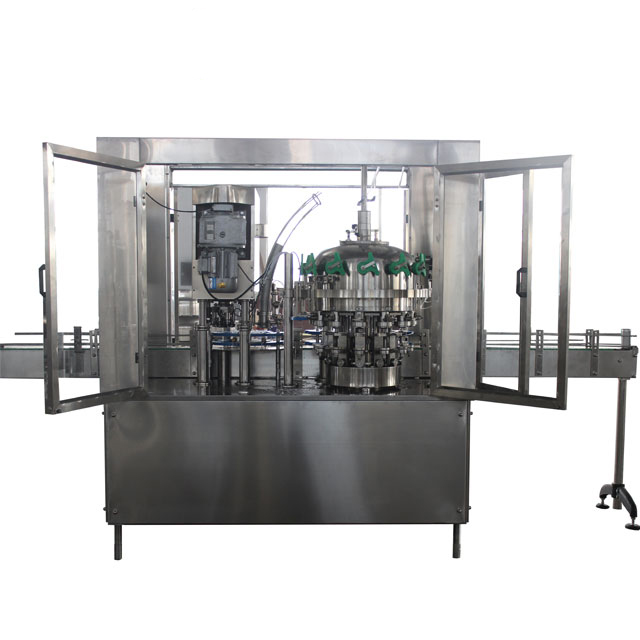
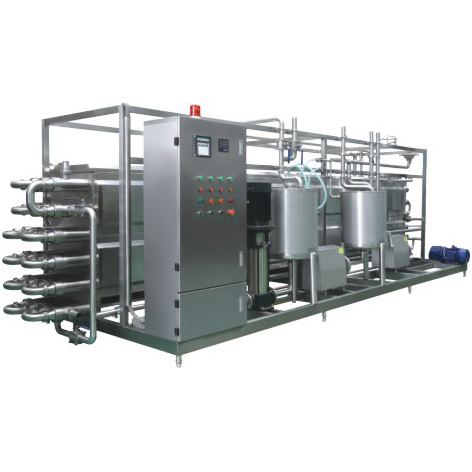
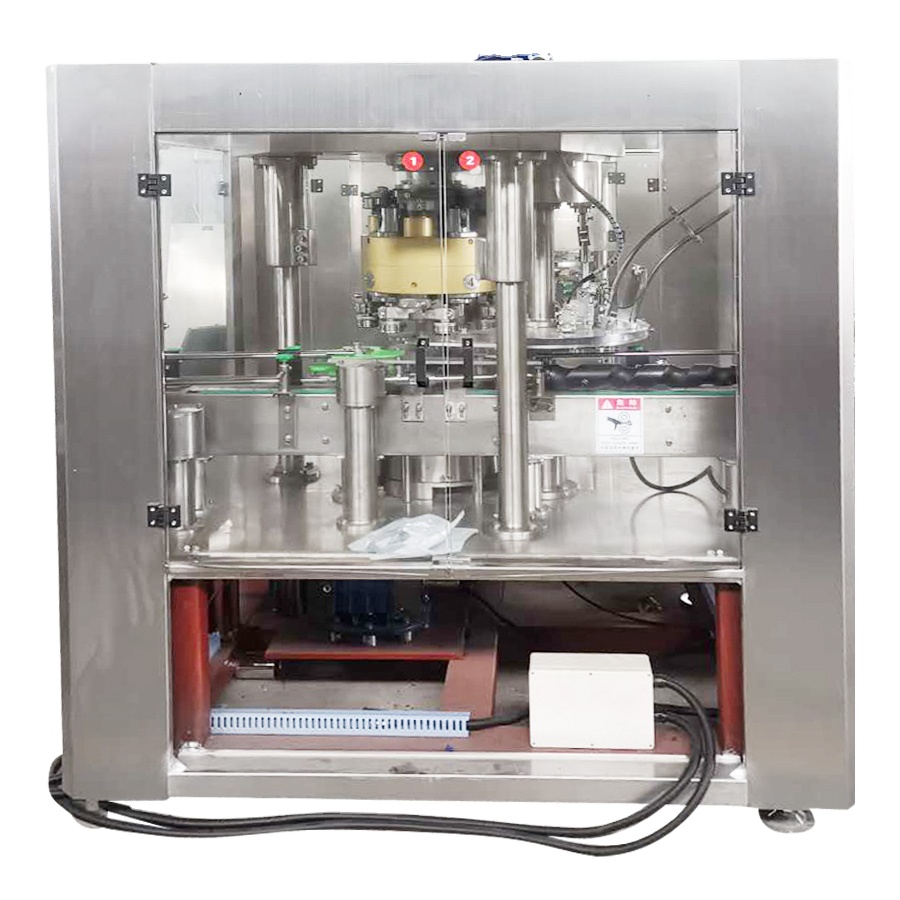

OEM & Turnkey Manufacturing Authority: Lofsu Packing Machinery Co., Ltd.
Zhangjiagang Industrial Cluster, Jiangsu, China | Established 2010
When evaluating China hot fill bottling line factories & suppliers, industrial procurement directors must scrutinize technical capability beyond basic machine assembly. Lofsu Packing Machinery Co., Ltd. stands at the technical forefront of Chinese beverage equipment manufacturing. Established in 2010 in Zhangjiagang—the world-renowned manufacturing epicenter for liquid packaging—Lofsu has spent over 15 years perfecting fully automated, monoblock, and turnkey bottling solutions.
With over 70% of its annual equipment output exported to more than 30 countries across North America, Europe, Southeast Asia, the Middle East, Africa, and South America, Lofsu combines high-precision mechanical engineering with international compliance. The company operates an onsite-verified production facility spanning 1,000–3,000 m² equipped with advanced CNC machining centers and dedicated pre-shipment Factory Acceptance Testing (FAT) bays.
The Thermal Dynamics & Sanitary Engineering of Hot Fill Lines
Hot filling is a critical thermal preservation process designed for high-acid beverages such as natural fruit juices, teas, sports drinks, and liquid condiments (pH < 4.6). The technology relies on leveraging the liquid product itself to sterilize the interior surfaces of the container and closure during the filling process. Achieving commercial sterility without damaging lightweight PET containers or degrading product flavor profile requires exacting engineering across five core mechanical domains:
1. High-Temperature Filling Valves & Recirculation Loops
Standard ambient fillers cannot handle product temperatures ranging from 85°C to 92°C (185°F–198°F). Hot fill monoblock systems engineered by top Chinese suppliers utilize food-grade SUS316L stainless steel product contact surfaces equipped with continuous automatic product thermal recirculation loops. When line speed slows or stops, temperature sensors at the filling manifold automatically divert product back to the tubular or plate pasteurizer, preventing product inside the valve from dropping below the critical sterilization threshold.
2. Vacuum panel PET Bottle Behavior & Neck Finish Thermal Protection
As hot liquid cools inside a sealed container, thermal contraction creates an internal vacuum. Modern hot-fill lines integrate dedicated neck-handling starwheels and bottle transfer grippers that protect heat-set PET bottle necks from deforming under thermal stress. Heat-set PET containers feature specialized structural vacuum panels or base-deformation zones designed to absorb structural contraction cleanly.
3. Inverted Sterilization & Cooling Tunnels
Immediately following the capping or seaming operation, filled containers pass through a 180-degree bottle tilting mechanism (inverse sterilizer). By holding the bottle horizontally or upside down for 15 to 30 seconds, the hot liquid contacts the inner surface of the cap and neck finish, destroying any remaining airborne spores or bacteria. The bottles then enter a multi-stage continuous spray cooling tunnel (cooling from 88°C down to ambient temperature ~30°C) to stop thermal exposure, preserving natural fruit vitamins, aroma, and color pigments.
CIP Sanitary Cleanability
Automated Clean-in-Place (CIP) dummy cup systems integrate seamlessly with central chemical cleaning systems, achieving 85°C hot water rinsing, acid wash, and alkali sanitation cycles.
Isobaric & Gravity Filling Options
Dual-function fillers allow switching between atmospheric gravity hot fill (for non-carbonated juice/tea) and isobaric counter-pressure filling for carbonated beverages and beer.
Precision Torque Capping
Magnetic hysteresis capping heads or servo-driven cappers ensure uniform torque application on hot, thermally softened bottle threads, preventing seal leakage or thread stripping.
Future Sourcing & Technology Trends in Hot Fill Machinery (2025–2030)
Global procurement metrics are shifting. Leading beverage brands are re-evaluating machinery purchases based on energy recovery, container lightweighting, and modular line intelligence.
1. Heat Energy Recovery Systems
Rising global industrial energy costs are driving demand for hot fill lines integrated with heat exchangers. Modern Chinese cooling tunnels capture thermal energy dissipated during bottle cooling and transfer it to pre-heat incoming cold product or boiler feedwater, cutting total factory energy consumption by up to 25%.
2. Nitrogen Dosing for Vacuum Panel-Less PET Bottles
To reduce plastic material weight and overhead costs, liquid nitrogen injection systems (dosing liquid nitrogen right before capping) build positive internal pressure during cooling. This allows beverage processors to move away from rigid, heavy vacuum-panel PET bottles toward ultra-lightweight, smooth-walled PET bottles without container collapse.
3. Smart PLC Diagnostics & Remote Maintenance
Industrial IoT integration is now standard across tier-one Chinese factories. Operators leverage touch-screen HMI interfaces equipped with Siemens or Mitsubishi PLCs, real-time yield telemetry, automatic fault logging, and secure VPN modules that enable engineers in China to diagnose line anomalies remotely.
Procurement Strategy Insight: When negotiating turnkey contracts with Chinese suppliers, international buyers should request integrated inline inspection systems—such as high-speed machine vision for cap tilt/presence, liquid filling height detection, and automatic bad-bottle rejection units—to eliminate manual oversight on high-speed lines exceeding 12,000 BPH.
Frequently Asked Questions for Sourcing Hot Fill Lines from China
Direct technical answers addressing critical points raised by international procurement managers and plant engineers.
Request a Custom Hot Fill Bottling Line Proposal
Connect directly with Lofsu's senior engineering team to receive customized plant layout designs, equipment specifications, and transparent FOB/CIF price quotations.