High-Performance Beverage Filling & Processing Lines
Engineering specs for high-precision bottling, canning, blow molding, and thermal liquid processing machinery built to international standards.

Isobaric counter-pressure filling system designed for carbonated beverages, energy drinks, and soda water in aluminum/tin cans.
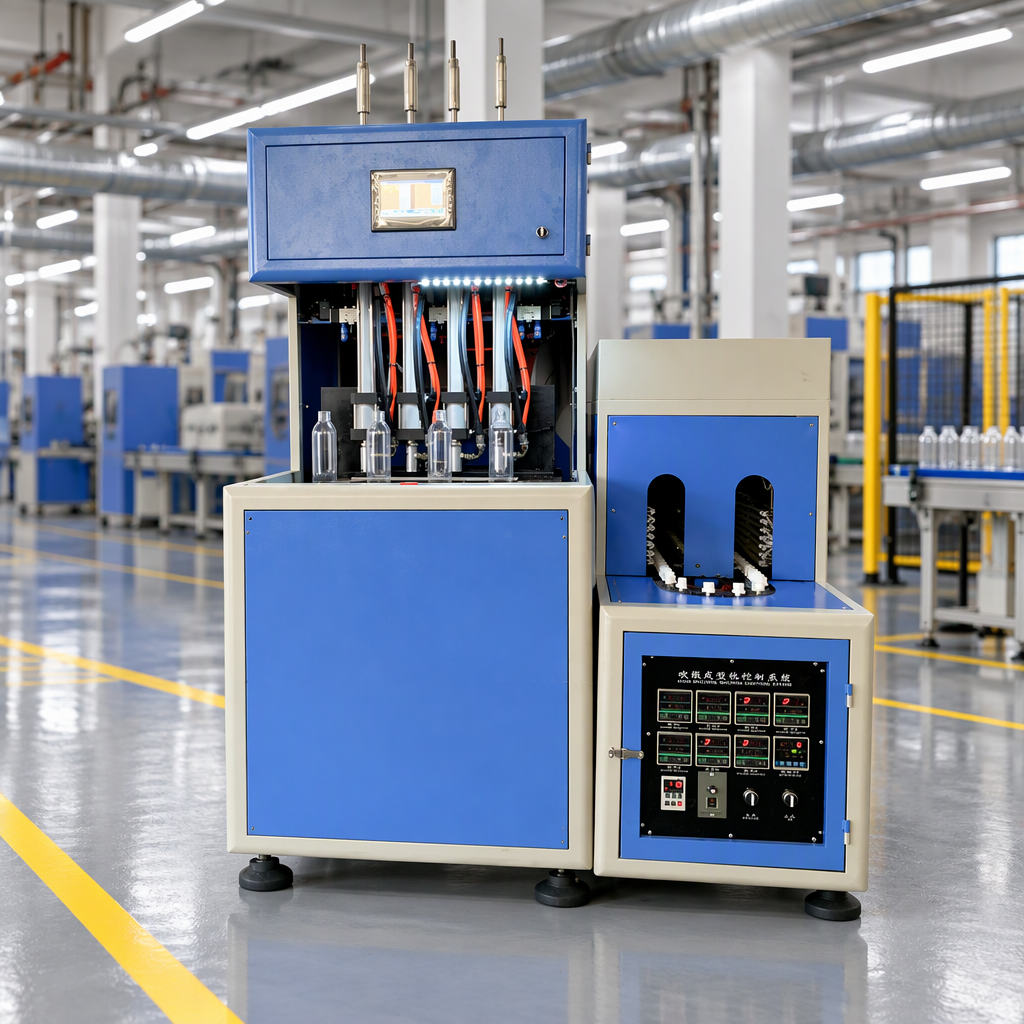
High-pressure pneumatic blow molding system capable of producing heat-resistant PET bottles for hot fill production lines.
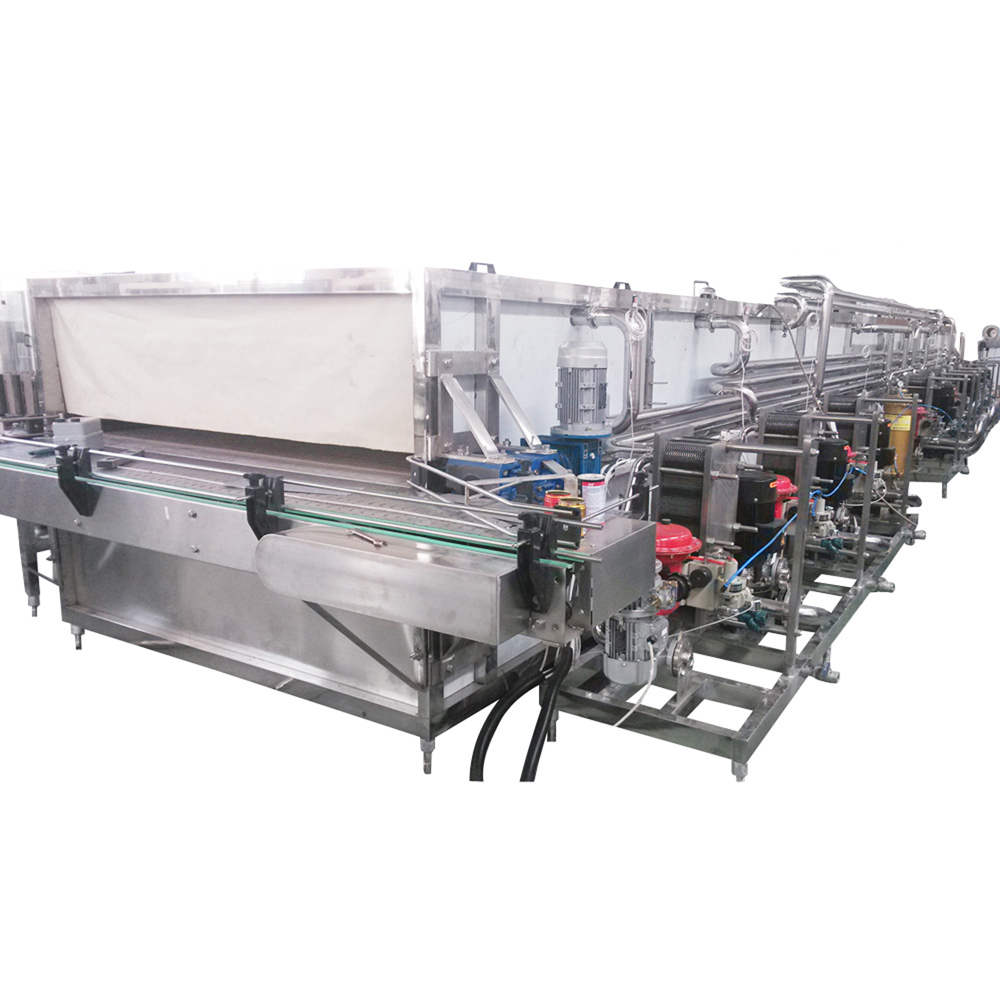
Multi-zone thermal treatment spray tunnel for post-fill pasteurization and controlled inline bottle cooling to eliminate thermal shock.
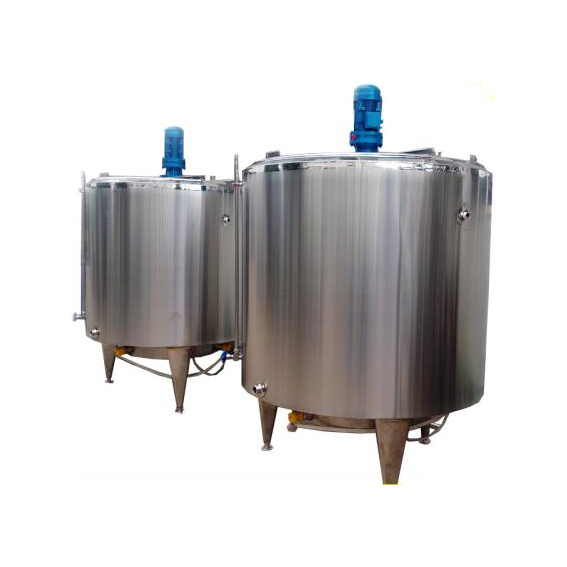
Sanitary SUS304/316L jacketed blending vessel engineered for precise thermal control during juice, syrup, and beverage preparation.
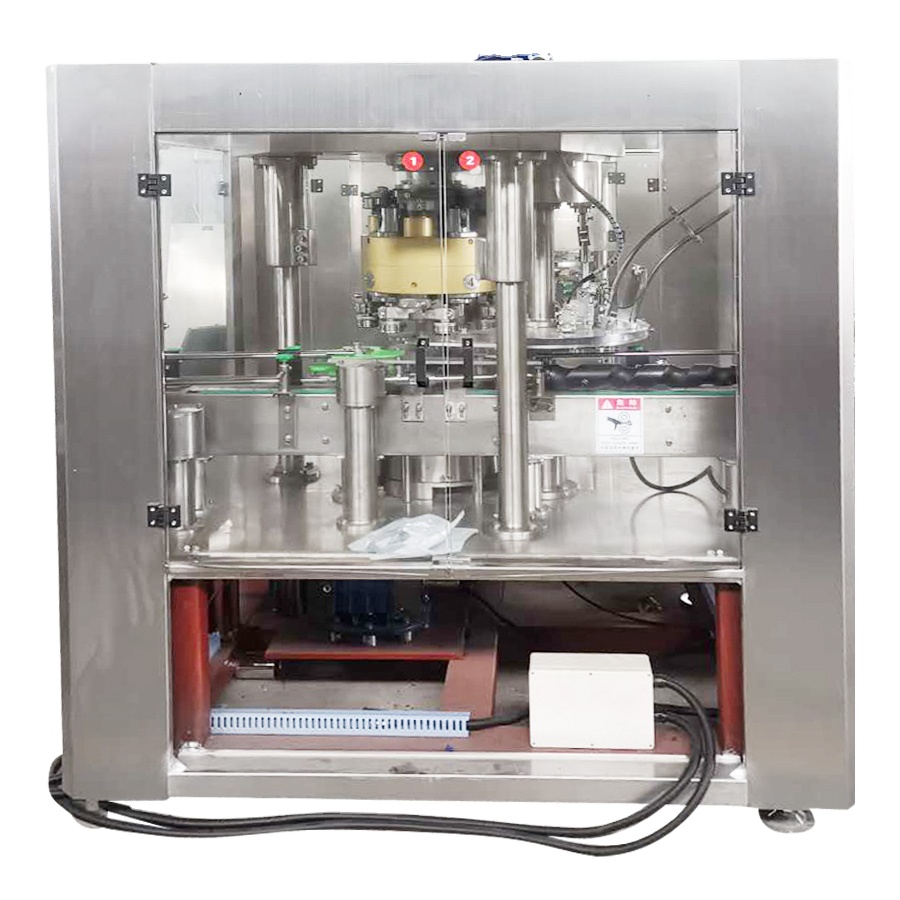
Heavy-duty double-seaming mechanical technology ensuring hermetic double-seam closures for high-speed canned beverage lines.
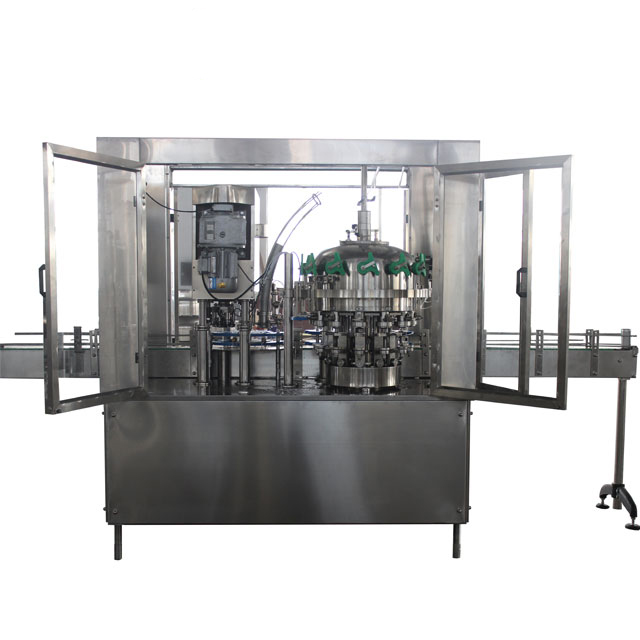
Monoblock 12-nozzle rotary filling and seaming machine designed to minimize dissolved oxygen pickup in craft beer and cider canning.
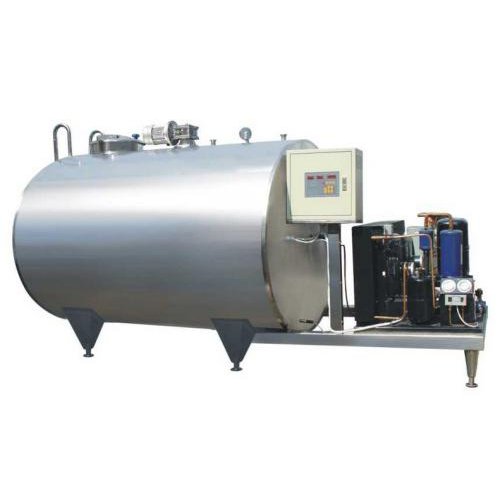
Sanitary bulk milk and dairy refrigeration storage tank with direct-expansion cooling compressors and automated CIP wash features.
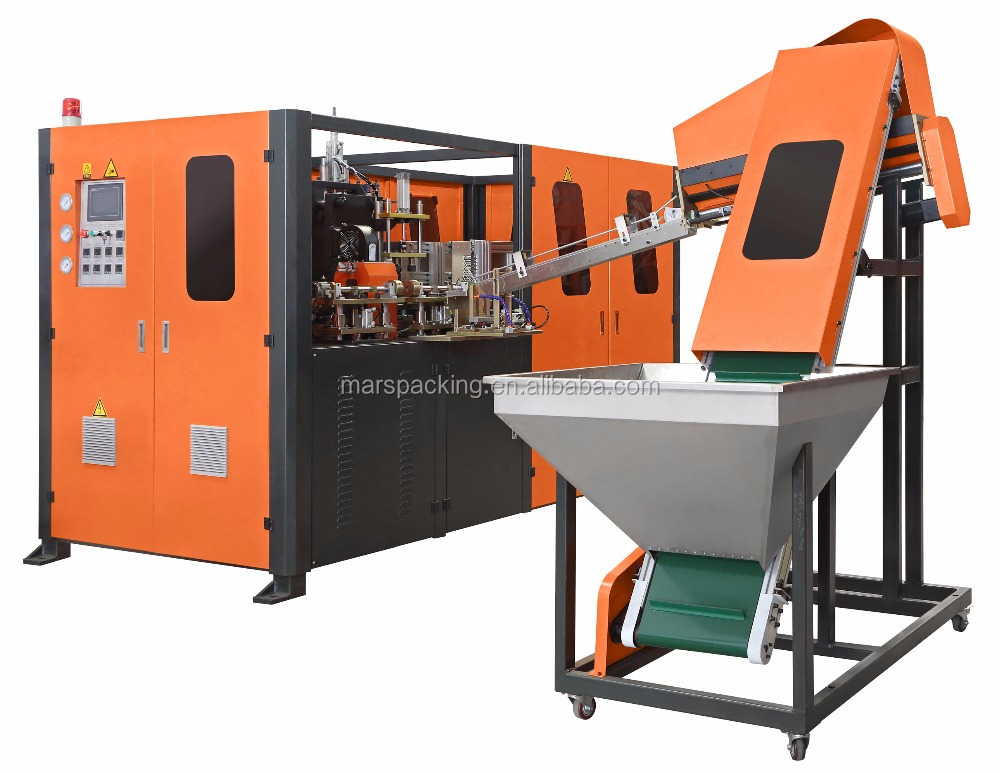
High-output servo-motor driven stretch blow molding machine for mass producing lightweight PET water and juice bottles.
Engineering Excellence in Hot Filling Technology (85°C–92°C Thermal Processing)
Hot fill technology remains the industrial gold standard for processing high-acid liquid food and beverage products, including 100% pure fruit juices, reconstituted nectars, ready-to-drink (RTD) teas, isotonic sports drinks, and liquid condiments. By maintaining continuous elevated product temperatures throughout the dosing phase, hot filling achieves comprehensive commercial sterilization of both the product and container without requiring chemical preservatives or costly ultra-clean sterile cleanroom environments.
Navigating the complex mechanical dynamics of thermal liquid packaging requires an in-depth understanding of thermodynamics, metallurgy, pneumatic pressure balancing, and container structural integrity. As leading China hot filling machine suppliers and turnkey OEMs, equipment manufacturers must solve three critical engineering challenges: microbiological lethality assurance, heat-induced PET bottle vacuum distortion, and thermal degradation prevention.
Thermal Sterilization Loop
Modern 3-in-1 hot fill monoblocks maintain continuous liquid recirculation. If line stoppage occurs, product drops below set threshold (e.g., 85°C), pneumatically actuated divert valves automatically route product back to the UHT sterilizer buffer tank.
Vacuum Deformation Control
As hot liquid cools from 88°C down to ambient room temperature, internal volumetric contraction creates a severe internal vacuum. Advanced hot fill machinery relies on vacuum-compensated PET designs, panel-less bottle ribs, or active liquid nitrogen dosing.
Inverted Cap Sterilization
After capping, bottles enter an automatic 180° bottle tilting conveyor. The hot liquid stays in direct contact with the interior cap liner for 15 to 30 seconds, killing potential airborne mold spores or bacteria on the closure surface.
Critical Process Flow: The 3-in-1 Hot Filling Monoblock Architecture
In a high-efficiency Hot Fill Monoblock system (Rinsing-Filling-Capping), container handling is governed by neck-handling starwheels. Because hot-fill PET bottles possess rigid, heat-crystallized neck finishes, neck-hanging conveyance prevents thermal distortion on the bottle body while maintaining sub-millimeter filling nozzle alignment.
Comparative Matrix: Hot Fill vs. Alternative Liquid Packaging Technologies
Selecting the optimal filling architecture dictates total operational expenditure (OPEX), facility requirements, and product shelf-life viability. The data below outlines how Hot Fill compares to alternative bottling systems:
| Technology Parameter | Hot Filling (85°C–92°C) | Aseptic Cold Fill (20°C) | CSD Isobaric Fill (4°C–12°C) | Tunnel Retort Sterilization |
|---|---|---|---|---|
| Primary Target Beverages | Juices, RTD Teas, Isotonic Drinks | Sensitive Dairy, Low-Acid Teas | Soda Water, CSD, Energy Drinks | Canned Milk, Coffee, Stews |
| Sterilization Mechanism | Thermal Heat of Product | Peracetic Acid / H2O2 + Cleanroom | CO2 Carbonation + Preservatives | High Pressure Steam Retort Autoclave |
| Container Material | Heat-Resistant PET / Glass / Can | Standard Lightweight PET / Glass | Pressure-Resistant PET / Can | Tin Cans / Glass Jars / Retort Pouch |
| CAPEX Investment | Moderate (High ROI) | Extremely High (Cleanroom Class 100) | Moderate | Moderate to High |
| Preservatives Required | None (100% Clean Label) | None (100% Clean Label) | Often Required (Sodium Benzoate) | None |
| Energy Consumption | Medium (Recoverable via Heat Exchanger) | High (Sterile Water Washing) | High (Chilling & Refrigeration) | Very High (Steam Consumption) |
Future Trends in China Hot Filling Machine Sourcing & Manufacturing
Global procurement directors and beverage brand owners sourcing hot filling machinery from Chinese suppliers are witnessing a paradigm shift. Chinese equipment suppliers are no longer merely low-cost alternatives; they are driving innovation in servo-electric automation, weight reduction, and energy efficiency.
1. Ultra-Lightweight PET Bottling via Liquid Nitrogen Dosing
Historically, hot fill PET bottles required heavy resin wall thickness (up to 28g–32g for a 500ml bottle) with molded vacuum panels to absorb heat shrinkage. Modern Chinese bottling lines integrate micro-dose liquid nitrogen injection systems immediately after the filling station. The cryogenic liquid nitrogen expands instantly into inert gas, pressurizing the bottle to eliminate vacuum collapse. This allows beverage producers to utilize lightweight, panel-less bottles (reducing resin weight down to 18g–20g), saving hundreds of thousands of dollars annually in raw plastic costs.
2. Servo-Motor Driven Filling Valves & Contactless Dosing
Traditional mechanical lift cylinders are rapidly being replaced by independent servo-motor controlled filling valves. Magnetic flowmeters or electronic mass flowmeters ensure non-contact liquid dosing with filling accuracies under ±0.2%. This eliminates mechanical seal wear, reduces product foaming, and enables rapid digital changeovers between different bottle volumes via human-machine interface (HMI) touchscreens.
3. Energy Integration & Cascade Heat Recovery
Sustainability mandates are pushing suppliers to engineer advanced energy-saving heat exchangers within cooling tunnels. Heat harvested from cooling the 88°C hot-filled bottles is recycled via titanium plate heat exchangers to preheat incoming raw water or CIP (Clean-in-Place) wash solutions. This closed-loop design reduces factory thermal utility loads by up to 35%.
4. Industry 4.0 IoT Monitoring & Smart Maintenance
Top China hot filling machine manufacturers now ship lines pre-equipped with Industrial Internet of Things (IIoT) telemetry. Remote diagnostic modules allow engineers in China to assist overseas plant operators in real time, monitoring pneumatic pressure spikes, vibration analysis on rotary bearings, thermal drift in filling manifolds, and overall equipment effectiveness (OEE).
Supplier Evaluation Framework: Auditing China Hot Filling Wholesalers
When selecting a supplier from China's primary beverage equipment clusters (such as Zhangjiagang, Suzhou, and Jiangsu province), foreign buyers must perform rigorous technical audits to distinguish specialized machinery manufacturers from trading intermediaries.
Metallurgy & Finish Standards
Insist on mill certificates verifying SUS304 structural framing and SUS316L for all fluid-contact parts (filling tanks, manifold pipes, dosing valves). Contact surfaces must feature sanitary mechanical polishing or electro-polishing reaching a surface roughness rating of Ra ≤ 0.4 μm to prevent bio-film accumulation.
Component Brand Transparency
Leading Chinese machinery OEMs build equipment using globally accessible, premium component suppliers. Verify that your bill of materials (BOM) specifies components like Siemens or Schneider PLCs, Festo or SMC pneumatic valves, Omron sensors, and SEW-Eurodrive gearboxes to ensure local spare part availability.
Factory Acceptance Testing (FAT)
Never authorize final shipment without a comprehensive, multi-hour FAT running at 100% rated speed using your actual preforms, caps, and test liquid. The supplier must demonstrate thermal stability at 90°C for at least 4 continuous hours without valve leakage or indexing jams.
Why Partner with Lofsu Packing Machinery Co., Ltd.?
Founded in 2010 in Zhangjiagang City, Jiangsu Province—China’s premier beverage packaging machinery industrial hub—Lofsu Packing Machinery Co., Ltd. brings over 15 years of specialized engineering experience to global liquid packaging projects.
With over 70% of our annual machinery production exported to more than 30 countries across North America, Southeast Asia, the Middle East, South America, and Africa, Lofsu delivers complete A-to-Z turnkey manufacturing lines customized to your precise plant specifications.
- ✓ Onsite Audited Facilities: 1,000–3,000 m² state-of-the-art manufacturing floors audited by international 3rd-party inspection agencies.
- ✓ Certified International Standards: Fully compliant with European CE Directives (CE 2006/42/EC) and ISO quality management systems.
- ✓ Custom Electrical Adaptability: Configured to your local grid specifications (220V–450V, 50Hz/60Hz, 3-Phase).
- ✓ Turnkey Lifecycle Support: Overseas installation, line commissioning, operator training, and rapid spare-part dispatch.
Request Technical Consultation
Our senior beverage line engineers will analyze your bottle drawings, beverage viscosity, and speed targets to provide a tailored CAD plant layout.
Frequently Asked Questions: Purchasing China Hot Filling Lines
Direct technical answers addressing the most common questions from plant owners, procurement executives, and beverage production engineers.
Our standard automatic monoblock lines range from compact 2,000 bottles per hour (BPH) configurations (such as our CGF8-8-3 small-scale PET lines) up to high-speed 24,000 BPH rotary systems. For canning, our rotary fillers span from 2,000 cans per hour (CPH) up to 12,000 CPH. Every system is scalable and engineered around container volume, beverage viscosity, and building dimensions.
Lofsu machinery handles 100% pure fruit juices, pulp-containing beverages, RTD teas, energy drinks, functional waters, flavored syrups, and liquid condiments (such as vinegar and soy sauce). Compatible containers include heat-crystallized PET bottles, glass bottles with crown or screw caps, and 2-piece aluminum or tinplate cans.
We utilize a three-pronged approach: First, recommending structural heat-set PET bottles designed with vacuum-absorbing base and side panels. Second, offering optional liquid nitrogen injection systems that pressurize the headspace right before capping. Third, pairing the line with a multi-stage cooling tunnel that gradually drops the container temperature from 88°C to ambient room temperature, minimizing volumetric thermal shock.
Yes. While 380V 50Hz 3-phase is our standard factory default, all motors, pumps, heating elements, and electrical panels are custom-wired to match your local power supply (including 220V, 415V, 440V, or 480V at 50Hz or 60Hz). All electrical enclosures utilize premium Schneider, ABB, or Siemens contactors and breakers compliant with CE and UL standards.
Every machine undergoes a mandatory Factory Acceptance Test (FAT) at our Zhangjiagang workshop. We test the equipment using customer-supplied bottle preforms and cap samples under full thermal operating conditions. High-definition test videos, seal test reports, and electrical audit checklists are submitted to the buyer prior to seaworthy wooden crate packaging.
Yes. Lofsu dispatches mechanical and automation field engineers directly to your production plant. Our engineers manage conveyor alignment, pipe hookup, line synchronization, and CIP validation. Additionally, we conduct hands-on training for your local operators and maintenance personnel, leaving complete user manuals and recommended 2-year spare parts kits on site.
We support standard international trade terms including FOB (Free on Board), CFR (Cost and Freight), CIF (Cost, Insurance and Freight), EXW (Ex Works), DDP (Delivered Duty Paid), and DDU (Delivered Duty Unpaid). Payment settlements can be made in USD, EUR, or CNY via Telegraphic Transfer (T/T) or Irrevocable Letter of Credit (L/C at sight).
Ready to Build or Upgrade Your Beverage Production Line?
Partner with a certified China hot filling machine manufacturer. Send us your bottle dimensions, beverage type, and target hourly output for a complete engineering quote and CAD plant drawing within 24 hours.