Featured Beer Bottling & Packaging Machinery
Engineered for low oxygen pickup, high-speed efficiency, and strict hygienic performance.
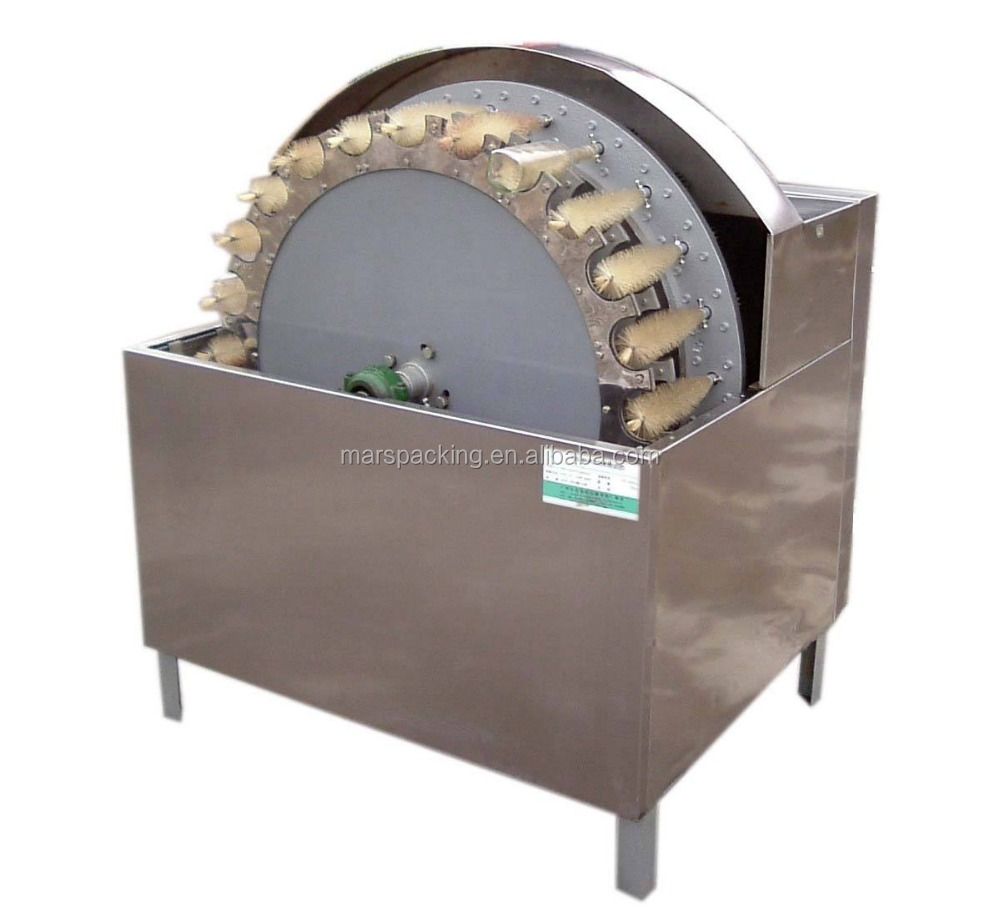
Semi Automatic Glass Bottle Washer Wine Beer Cleaning Machine CE Certified 380V 220V 1.1kW

Semi Automatic Rotary Bottle Washing Machine High Pressure Rinser for Glass and PET Bottles

Electric Automatic Linear Vacuum Twist Capper Machine Stainless Steel 304 2-Year Warranty
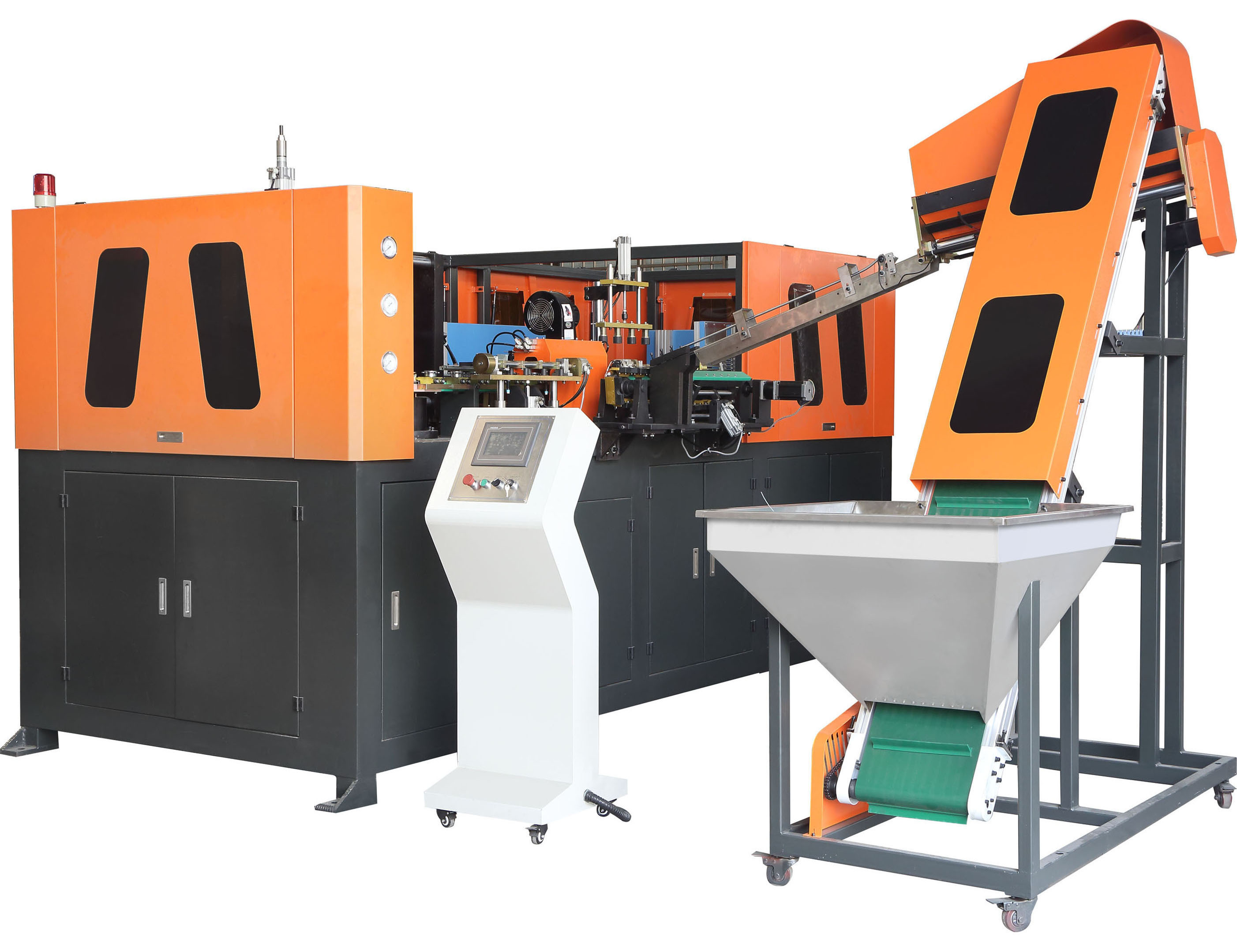
HZ-880B Mars 3 Cavity Automatic PET Plastic Water Bottle Making Machine PLC Delta Motor
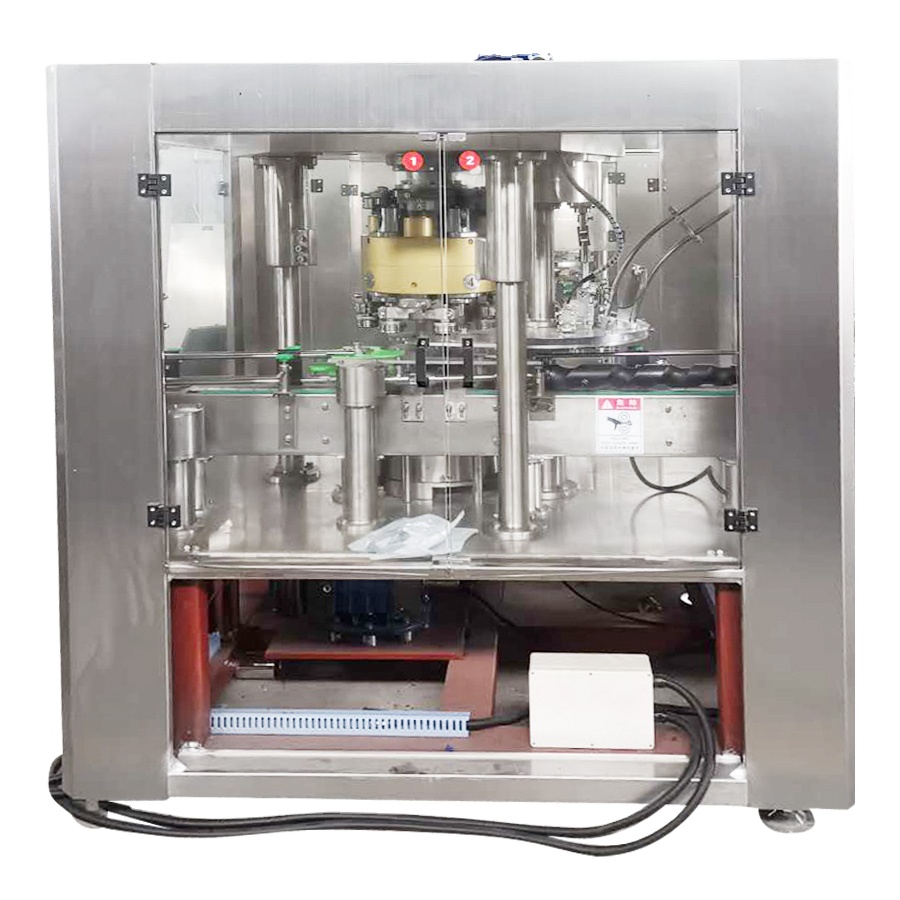
Four Head Automatic Rotary Tin Can Sealing Machine Mechanical Can Closing Equipment
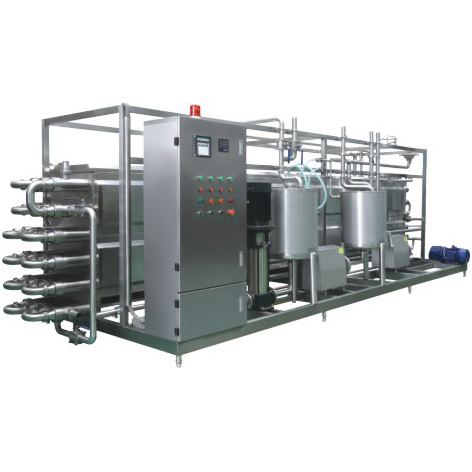
Small Automatic Plate Type Pasteurizer with Pump New Condition for Milk Juice Beer
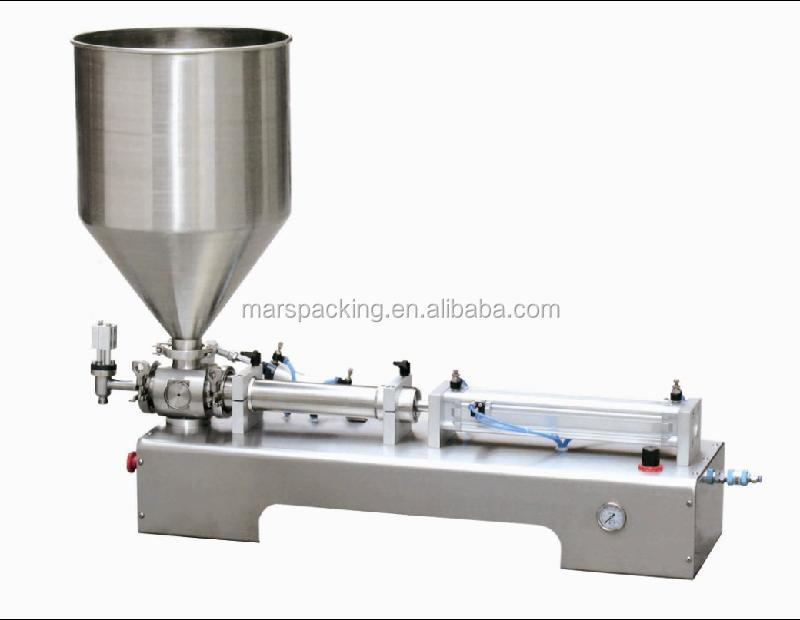
Semi Automatic Double Heads Tabletop Beverage Filling Machine 2 Nozzles Pneumatic

Semiautomatic 5 Gallon PET Bottle Blow Molding Machine High Durability Industrial Grade
1. The Engineering Paradigm of Modern Beer Bottle Filling
In commercial brewing, the packaging line serves as the definitive bridge between craft craftsmanship and shelf-stable distribution. As a premier beer bottle filler exporter, Lofsu Packing Machinery Co., Ltd. builds high-precision isobaric counter-pressure filling systems designed to preserve the delicate organoleptic balance of carbonated beverages. Oxygen ingress during bottling is the chief catalyst for chemical staling, lipid oxidation, and flavor degradation. Modern breweries require bottling plants capable of maintaining total dissolved oxygen (TDO) increases under 30 parts per billion (ppb) while running continuous production speeds from 2,000 to over 24,000 bottles per hour (BPH).
Achieving this level of precision demands an intimate understanding of fluid dynamics, pressure equalization, mechanical valve timing, and sterile gas management. Unlike non-carbonated liquid filling, beer bottling must prevent excessive foaming (fobbing) and CO2 desorbing while ensuring flawless liquid level consistency across glass and PET containers. By integrating electro-pneumatic mechanical valves, pre-evacuation vacuum pumps, and high-pressure hot water bubble jetting systems, Lofsu's bottling solutions set the international benchmark for efficiency, hygiene, and low-maintenance operation.
Double Vacuum Pre-Evacuation
Extracts ambient air up to 99.5% from glass bottles, flushing pure CO2 into the vessel to virtually eliminate dissolved oxygen pick-up during high-speed filling.
Isobaric Counter-Pressure Valves
Equalizes tank and bottle internal pressures before liquid release. Prevents premature degassing and maintains natural carbonation levels up to 8 g/L.
Hygienic CIP/SIP Integration
Full 304/316L stainless steel contact surfaces designed for CIP clean-in-place and steam sterilization, certified to CE machinery directives.
2. Mechanics of Low-Oxygen Isobaric Beer Bottling
To understand why leading breweries select Lofsu as their trusted beer bottle filler exporter, one must examine the precise mechanical sequence executed by our rotary isobaric monoblocks during every filling cycle:
Phase A: Container Rinsing & Sterilization
Empty glass bottles enter the rotary rinser via starwheels. Grippers clamp the bottle neck, turning the container 180 degrees over high-pressure water nozzles. The bottle interior is thoroughly rinsed with sterile water or an ozone solution, followed by sterile air drying before righting the bottle back onto the conveyor feed grid.
Phase B: Double Vacuum Pre-Evacuation & CO2 Purging
The bottle forms a tight seal against the filling valve sleeve. A mechanical vacuum pump evacuates ambient air from the bottle (Vacuum Stage 1). The bottle is then pressurised with pure CO2 gas and evacuated a second time (Vacuum Stage 2). This double evacuation process eliminates residual oxygen within the neck and body of the bottle down to negligible levels.
Phase C: Isobaric Counter-Pressure Filling
Once internal bottle pressure matches the headspace pressure of the main liquid ring bowl, the spring-loaded liquid valve opens under balanced gravity. Beer flows down the interior glass walls via a specialized diffuser ring, allowing smooth filling without turbulence. CO2 displaced by the incoming beer returns safely to the ring bowl gas header.
Phase D: Pressure Snifting & High-Pressure Fobbing
When the liquid level reaches the vent tube cut-off height, the liquid valve closes. The valve executes a controlled multi-stage snift (pressure relief) to atmospheric level without causing violent liquid surge. Before crowning, a micro-jet of high-pressure hot water (80°C+) is injected into the bottle neck, creating dense foam (fobbing) that drives away remaining headspace oxygen immediately prior to cap placement.
Phase E: Crown Capping & Vacuum Sealing
The bottle moves directly to the capping station, where crown caps or twist-off caps are sorted, sanitized, and sealed via heavy-duty magnetic crimping heads. The sealed bottle proceeds to tunnel pasteurization, secondary washing, and OPP roll-fed or cold-glue labeling.
3. Technical Specifications Comparison: Linear vs. Rotary Fillers
Procurement directors and master brewers must carefully weigh production volume targets against capital expenditure and footprint constraints. Below is a comparative engineering matrix showcasing Lofsu’s primary beer packaging machine configurations:
| Performance Parameter | Semi-Auto / Tabletop Line | Linear Isobaric Bottler | Rotary Monoblock (12-24 Head) | Industrial High-Speed Line |
|---|---|---|---|---|
| Target Output (BPH) | 300 – 800 BPH | 1,000 – 2,500 BPH | 3,000 – 8,000 BPH | 10,000 – 24,000+ BPH |
| Dissolved O2 Pickup | < 80 ppb | < 50 ppb | < 30 ppb | < 15 ppb |
| Pre-Evacuation Type | Single Stage CO2 Flush | Single Vacuum + CO2 | Double Vacuum + CO2 | Double Vacuum + Pure CO2 |
| Valves & Controls | Pneumatic Hand Valve | Mechanical Cam / PLC | Electro-Pneumatic PLC | Full Servo / Flowmeter PLC |
| Suitable Containers | Glass / Small PET | Glass Bottles | Glass, PET, Aluminium Cans | Lightweight Glass & Cans |
| Power Consumption | 1.1kW – 2.2kW | 4.5kW – 7.5kW | 11kW – 22kW | 30kW – 55kW+ |
4. Future Procurement Trends in Beer Packaging Machinery
As the global beverage market expands, brewery owners face shifting consumer demands, fluctuating energy costs, and stringent environmental compliance standardizations. Leading equipment exporters are redesigning beer bottling plants to align with four critical market trends:
1. Electro-Pneumatic Flowmeter Filling Automation
Traditional mechanical level-filling valves are increasingly giving way to magnetic inductive flowmeters and electro-pneumatic control. Electro-pneumatic filling valves allow operators to modify fill volumes, pre-evacuation durations, and snift speeds directly from a central touchscreen PLC (such as Delta or Siemens) without changing mechanical vent tubes. This reduces format changeover times from 2 hours to under 15 minutes.
2. Hybrid Multi-Beverage Versatility
Modern craft breweries no longer focus solely on traditional lagers and ales. The surge in hard seltzers, cider, kombucha, cold-brew coffee, and carbonated soft drinks requires packaging equipment that can handle different viscosity, carbonation pressure (from 2.0 to 4.5 vol CO2), and hot/cold filling profiles. Exporters must supply modular fillers equipped with multi-stage temperature sensors and adjustable back-pressure valves.
3. Sustainable Water & CO2 Conservation
Water scarcity and rising carbon dioxide prices have elevated utility conservation to a core KPI. Advanced beer bottle fillers now integrate closed-loop rinse water recovery circuits, vacuum pump water recirculation tanks, and optimized CO2 flushing algorithms that cut CO2 gas consumption by up to 35% per packaged hectoliter.
4. Industry 4.0 & Remote Telemetry Diagnostics
Overseas buyers require real-time visibility into machine efficiency (OEE), preventive maintenance indicators, and batch traceability. Lofsu's advanced machinery lines feature remote Ethernet/Wi-Fi telemetry modules, allowing our engineering team in Jiangsu to perform software updates, diagnostics, and operational troubleshooting anywhere in North America, Europe, Africa, or Asia.
5. Global Enterprise Trust & Manufacturing Capability
Choosing the right beer bottle filler exporter is a critical long-term investment. Lofsu Packing Machinery Co., Ltd. brings 15+ years of direct manufacturing experience, operating out of a verified 1,000–3,000 m² factory in Zhangjiagang City, Jiangsu Province—China's top industrial cluster for beverage machinery.
With over 70% of total factory output exported to more than 30 countries across North America, South America, the Middle East, Southeast Asia, Africa, and Europe, our machines are built for global compatibility. We build systems to accommodate local power grids ranging from 220V to 450V, three-phase at 50Hz or 60Hz, using premium electrical components from international brands like Schneider, Omron, Airtac, and Delta.
Every piece of equipment—from individual tabletop bottle rinsers to complete A-to-Z turnkey bottling lines—undergoes rigorous Factory Acceptance Testing (FAT) with actual customer container samples before seaworthy wooden crate packaging and shipment. Certified under European Machinery Directive CE 2006/42/EC, Lofsu provides full overseas installation, line layout design, operator training, and guaranteed spare parts support.
Frequently Asked Questions (Buyer Procurement FAQ)
Key technical insights to assist purchasing managers, project engineers, and brewery directors.
Ready to Upgrade Your Brewery Packaging Capabilities?
Consult with Lofsu’s engineering team to get a tailored line layout, machinery sizing estimate, and commercial quotation within 24 hours.
Contact Us