Featured Carbonated & Beverage Packaging Machinery
Explore our industrial-grade bottling, blowing, mixing, washing, and canning machinery designed for high-efficiency liquid processing plants.
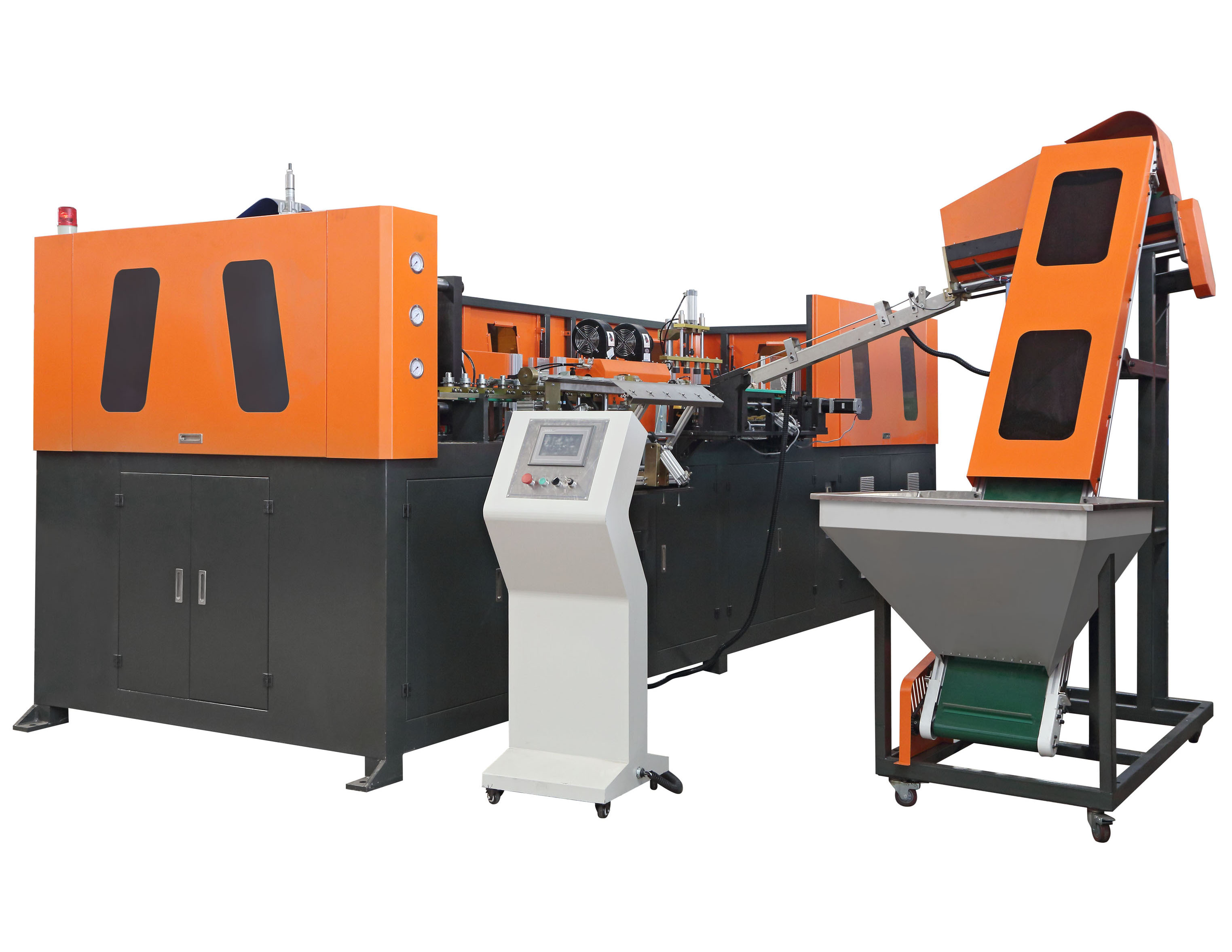
Automatic 4 Cavity Stretch Blow Moulding Machine High Pressure Valve Mitsubishi PE/PET Plastic Water Bottles Pump Easy
View Product Specs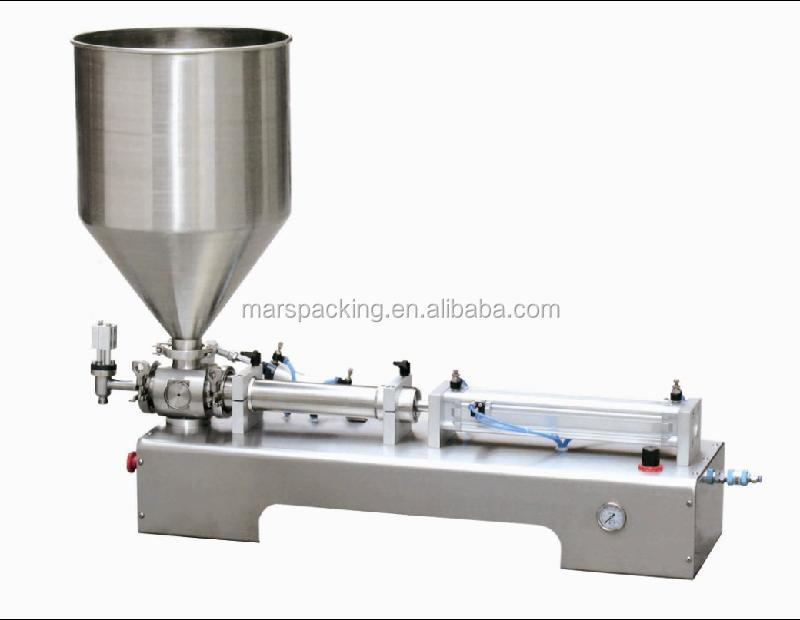
Semi Automatic Double Heads Tabletop Beverage Filling Machine with 2 Nozzles Pneumatic for Plastic & Paper Packaging
View Product Specs
12000BPH 6 Cavity PET Bottle Stretch Blow Molding Machine Semi-Automatic Variable Pitch Mineral Water Production
View Product Specs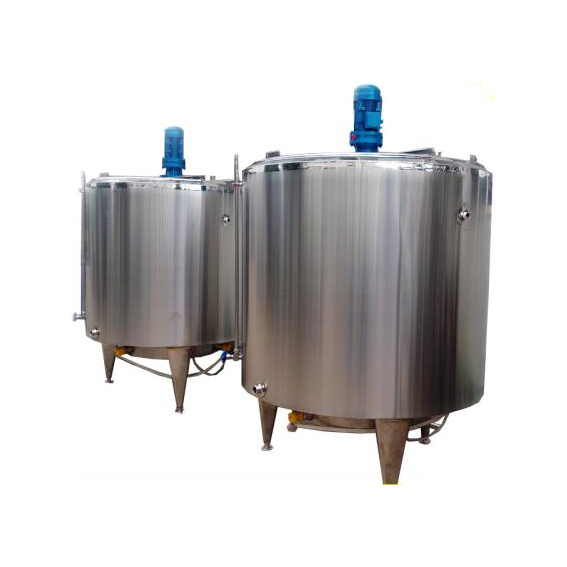
1000L Double Jacket Stainless Steel Liquid Mixing Tank Steam Electric Heating Agitator Blending Equipment Food Processing
View Product Specs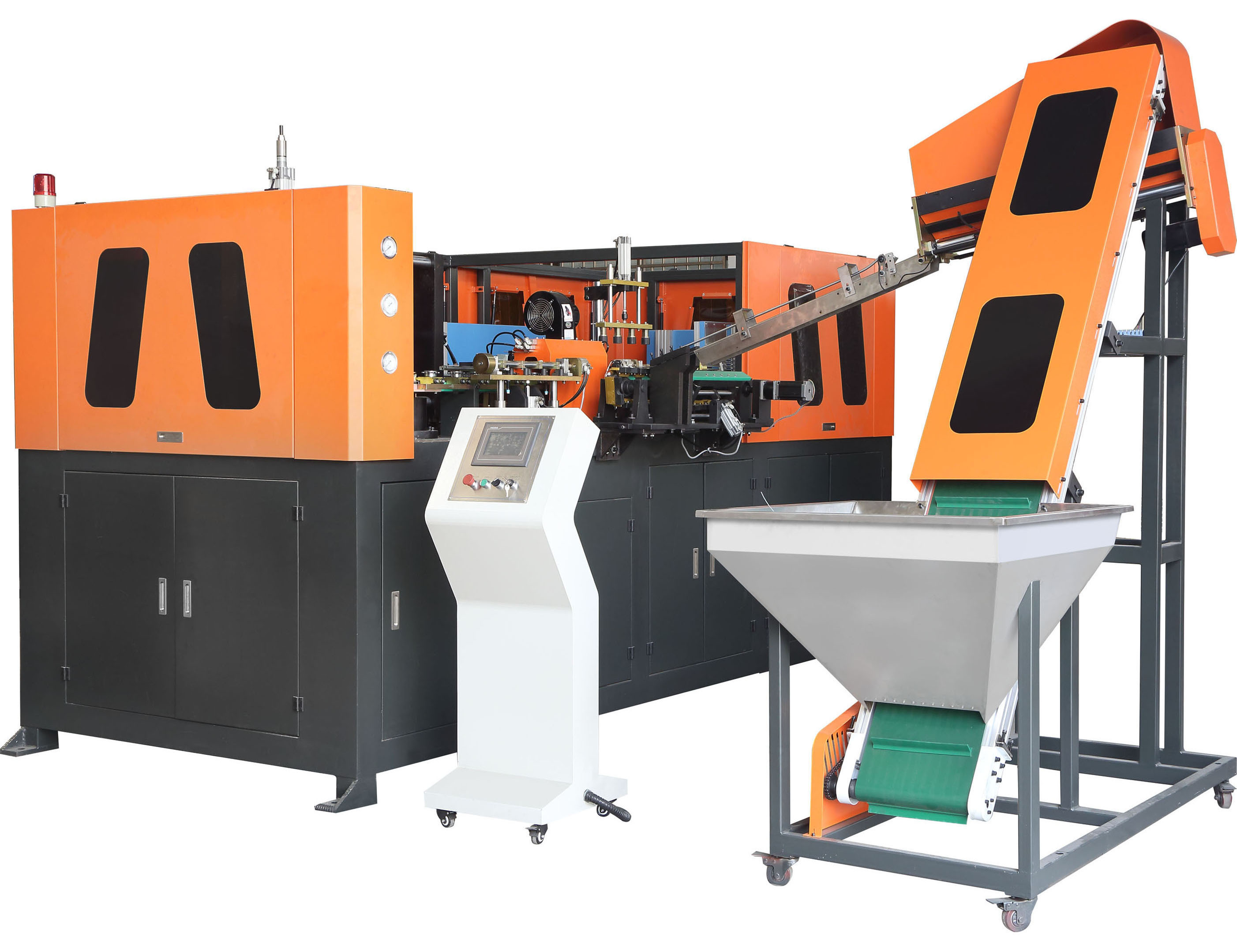
HZ-880B Mars 3 Cavity Automatic PET Plastic Mineral Water Bottle Making Machine PLC Delta Motor High 2200 BPH 2 Years Warranty
View Product Specs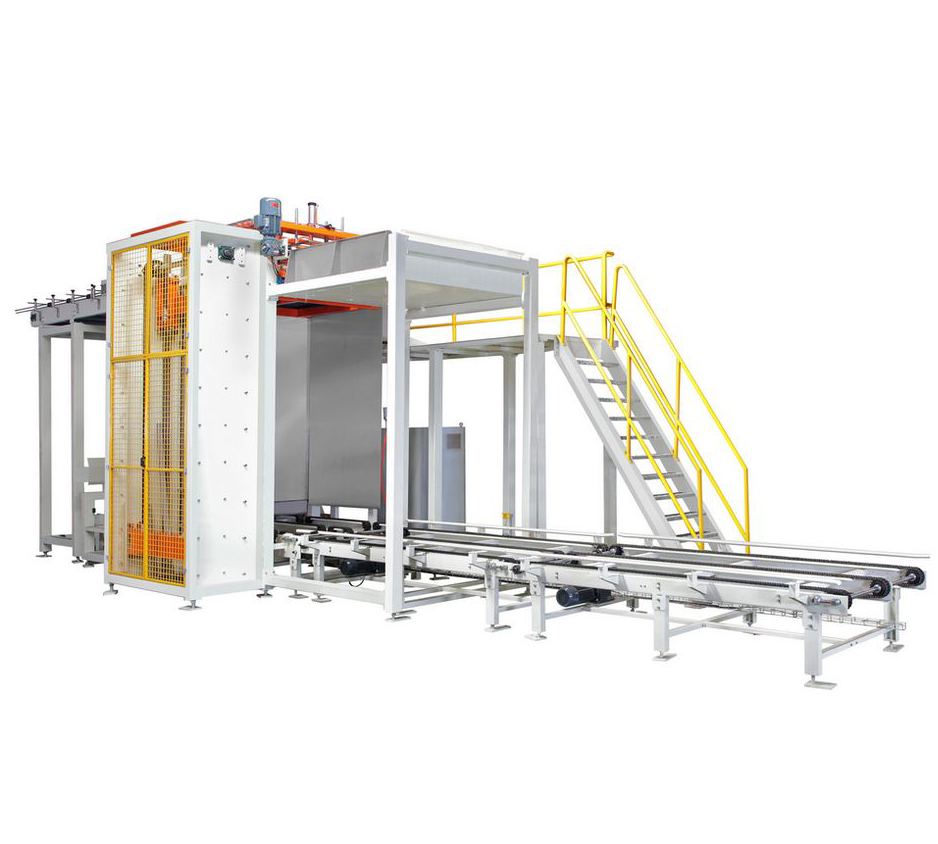
Automatic Bottle Depalletizer Mechanical Packaging Equipment 12KW 220-450V Plastic Beverage Bottle Handling System
View Product Specs
Semi Automatic Rotary Bottle Washing Machine High Pressure Rinser for Glass and PET Bottles
View Product Specs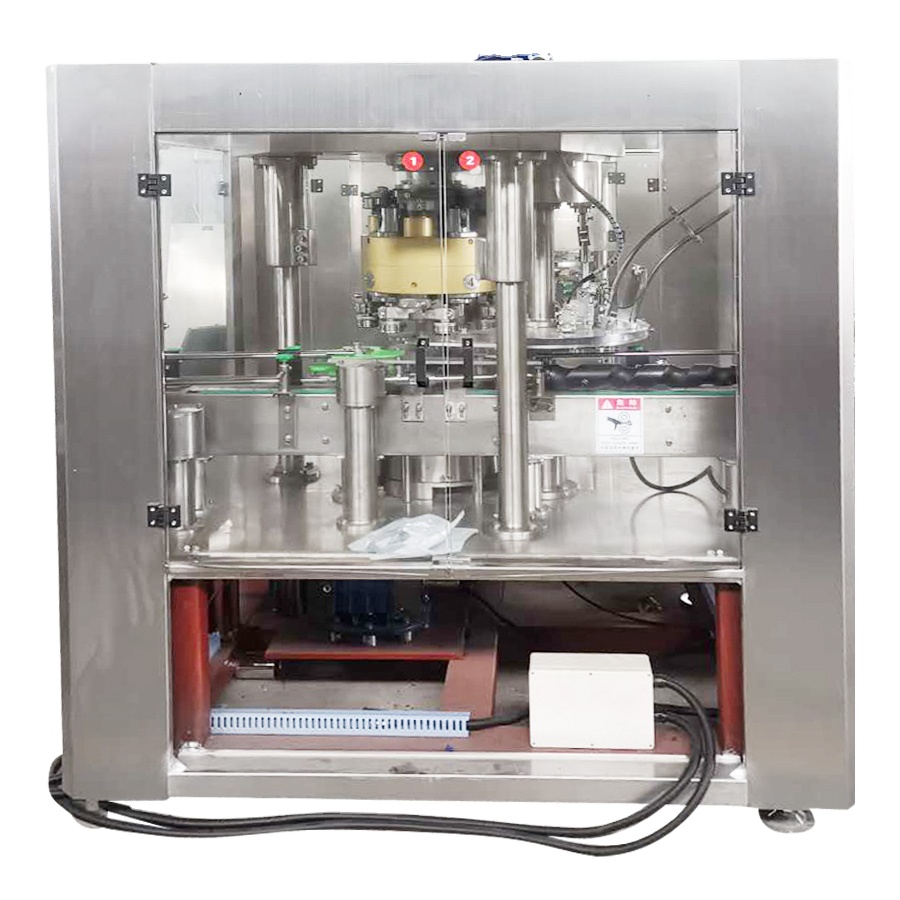
Four Head Automatic Rotary Tin Can Sealing Machine Mechanical Can Closing Equipment for Beverage Packaging
View Product SpecsIndustry Whitepaper: Isobaric Counter-Pressure Physics & Dissolved Gas Equilibrium
Carbonated Soft Drink (CSD) packaging requires strict thermodynamic control to prevent CO2 escape during high-speed transfer. Unlike still water or non-pressurized juice lines, carbonated beverage filling relies on isobaric (equal-pressure) filling principles governed by Henry’s Law of Gas Solubility: C = k · P_gas.
When selecting a carbonated beverage filling machine manufacturer, engineers must scrutinize counter-pressure control valves, de-aeration efficiency, and laminar flow velocity inside the filling bowl to prevent turbulence-induced fobbing (excessive foaming).
Mechanical vs. Electro-Pneumatic Valves
Traditional mechanical spring valves rely on physical bottle contact for mechanical opening. Modern electro-pneumatic isobaric valves utilize solenoid actuation governed by PLC algorithms, yielding ±1.5mm liquid level accuracy and reducing gas consumption by up to 18%.
Vacuum De-Aeration & Flushing
High Dissolved Oxygen (DO) levels cause flavor degradation and shorten shelf life. Advanced CSD lines incorporate single or double-stage vacuum de-aeration prior to CO2 pre-flushing, driving DO levels below 30 ppb (parts per billion).
Snifting & Pressure Relief Control
Controlled snifting (gradual chamber depressurization) prevents explosive gas breakout when the filling seal breaks. Multi-stage electronic snifting valves vent excess headspace CO2 without disturbing the carbonated liquid surface.
Carbonated Beverage Filling Technology Comparison
Evaluate filling technologies across mechanical counter-pressure, electro-pneumatic isobaric, and magnetic flowmeter systems.
| Engineering Parameter | Mechanical Isobaric Valve | Electro-Pneumatic Isobaric Valve | Magnetic Flowmeter Isobaric Valve |
|---|---|---|---|
| Filling Precision | ±3.0 mm (Volumetric height) | ±1.5 mm (Controlled probe) | ±0.5 ml (Direct mass measurement) |
| CO2 Loss Rate | Moderate (∼ 4.5% loss during snifting) | Low (∼ 1.8% loss) | Ultra-low (< 0.9% loss) |
| Operating Temperature | 0°C to 4°C (Strict chilling needed) | 2°C to 12°C (Warm filling capable) | 2°C to 15°C (Warm filling optimized) |
| Format Changeover Time | 45 - 90 minutes (Manual vent tubes) | 15 - 30 minutes (Semi-automatic) | < 10 minutes (Recipe switch via PLC) |
| Dissolved Oxygen (DO) Pick-up | < 50 ppb | < 25 ppb | < 15 ppb |
| Capital Investment (CAPEX) | Cost-effective / Entry-level | Moderate / High ROI | Premium / Large-scale automation |
Future Sourcing & Procurement Trends in Carbonated Beverage Lines
Key technological shifts reshaping CSD bottling, canning, and end-of-line packaging over the next decade.
1. Ambient / Warm Carbonated Filling Tech
Traditional CSD filling requires massive energy to chill beverages down to 2°C–4°C. Emerging ambient filling technologies allow stable carbonation up to 15°C using elevated bowl pressure (6–8 bar) and precision pressure profile control, reducing refrigeration electricity loads by up to 35%.
2. Ultra-Lightweight PET & rPET Handling
Sustainability mandates require bottling lines to process 100% recycled PET (rPET) and ultra-thin bottle walls. Modern filling machines use neck-handling grippers and low-stress isobaric charging to prevent structural collapse during high-pressure pressurization cycles.
3. Smart Industry 4.0 Telemetry & AI Quality Control
Leading beverage plants require real-time valve-level diagnostic monitoring. AI algorithms analyze torque data from magnetic capping heads, inline vision systems check double-seam integrity on aluminum cans, and thermal sensors track CIP sterilization curves automatically.
4. Hygienic Monoblock Integration (Clean-In-Place)
Transitioning from standalone machines to integrated 3-in-1 (Rinsing-Filling-Capping) or 4-in-1 (Blowing-Rinsing-Filling-Capping) combi-blocks minimizes floor space footprint and reduces air contamination risks. Automated CIP dummy cups shorten sanitization cycles between syrup flavor changes.
Why Lofsu Machine is a Globally Trusted Supplier
Headquartered in Zhangjiagang, Jiangsu—China's premier beverage machinery engineering hub—Lofsu combines precision manufacturing with complete export engineering support.
Turnkey Line Integration (A to Z)
From RO water treatment systems and CO2 carbonation mixers to high-speed stretch blow molders, isobaric fillers, OPP labelers, and automatic shrink wrappers, Lofsu delivers complete, synchronized lines with single-source accountability.
Custom Electrical & Mechanical Adaptability
Machines are configured to local industrial power grids (220V–450V, 50Hz/60Hz, 3-Phase). Control panels integrate top-tier components including Siemens PLC, Delta servo drives, Mitsubishi touchscreens, and Omron sensors for reliable performance.
Rigorous Pre-Shipment Quality Testing (FAT)
Every machine undergoes Factory Acceptance Testing using buyer bottle preforms, caps, and liquid samples before container loading. Third-party inspection reports (CE, ISO) and full testing videos are provided prior to export dispatch.
Global Field Engineering Support
Experienced technical teams deploy globally for field assembly, line commissioning, operator training, and preventative maintenance programming across North America, South America, Middle East, Africa, and Southeast Asia.
Hygienic SUS304 / SUS316 Stainless Steel
All liquid-contact parts are machined from food-grade Stainless Steel (SUS304 or mirror-polished SUS316L), resisting acidic fruit juices, carbonated soft drinks, beer, and sanitizing chemicals without corrosion.
15+ Years OEM & Global Trade Experience
Since 2010, Lofsu has supplied reliable filling lines to beverage brands in over 30 countries under flexible trade terms including FOB, CIF, CFR, EXW, DDP, and DDU with LC or TT payment structures.
Frequently Asked Questions (FAQ) for Beverage Bottling Buyers
Essential technical and procurement insights for project managers planning carbonated soft drink or mineral water investments.
What production capacities do Lofsu bottling lines cover?
Our standard carbonated filling monoblocks range from compact 2,000 bottles per hour (BPH) lines (such as 8-head or 12-head fillers) up to high-speed 36,000 BPH automated plant systems. Rotary configurations are engineered custom based on your container volume, neck size, and factory footprint.
Which beverages and container formats can your filling machinery handle?
Our machinery handles carbonated soft drinks (cola, sparkling water, energy drinks, tonic, flavored soda), beer, cider, purified mineral water, hot-filled fruit juices, tea, vinegar, edible oil, and wine. Supported formats include PET plastic bottles, glass bottles, aluminum cans, and 5-gallon jars.
How does the machine maintain stable carbonation without liquid overflow?
The system uses isobaric counter-pressure technology. Before liquid enters, the bottle is pressurized with CO2 to equalize pressure with the main liquid tank. Product flows smoothly down the container wall via laminar distribution channels. Controlled two-stage snifting then releases gas without causing foam surges.
Can machines be built to match our country's electrical power supply?
Yes. Standard machine electrical configurations are built for 380V, 3-Phase, 50Hz/60Hz. However, our power transformers and motor drives can be custom-matched to 220V, 240V, 415V, or 440V to meet your local industrial electrical standards.
What installation, commissioning, and training services are provided?
We deploy senior field engineers to your plant to supervise foundation placement, mechanical assembly, electrical wiring, and line synchronization. Our engineers remain onsite to conduct operational trial runs and train your staff on daily operation, CIP procedures, and maintenance protocols.
How is quality verified before shipping overseas?
Every unit undergoes a strict 72-hour continuous Factory Acceptance Test (FAT) with real bottle preforms and product samples. We verify seal tightness, filling accuracy, and capping torque. Video verification and third-party inspection certifications are sent to buyers prior to shipment.
What delivery and international trade terms do you support?
We handle export shipments under FOB, CFR, CIF, EXW, DDP, and DDU terms. Settlement can be completed in USD, EUR, or CNY via Telegraphic Transfer (T/T) or Letter of Credit (L/C).
How do I choose between PET bottle bottling and aluminum canning lines?
PET bottles offer lower container unit costs and re-sealability, making them suitable for larger retail sizes (0.5L–2.0L). Cans provide total light blockage, lower shipping weights, higher recycling rates, and premium branding, making them popular for craft beer and energy drinks. Lofsu supplies dedicated equipment for both container types.
Ready to Build or Upgrade Your Carbonated Beverage Line?
Contact our senior engineering team today to receive custom plant CAD drawings, technical machine specifications, and a factory-direct price quote tailored to your target output (BPH).
Contact Us