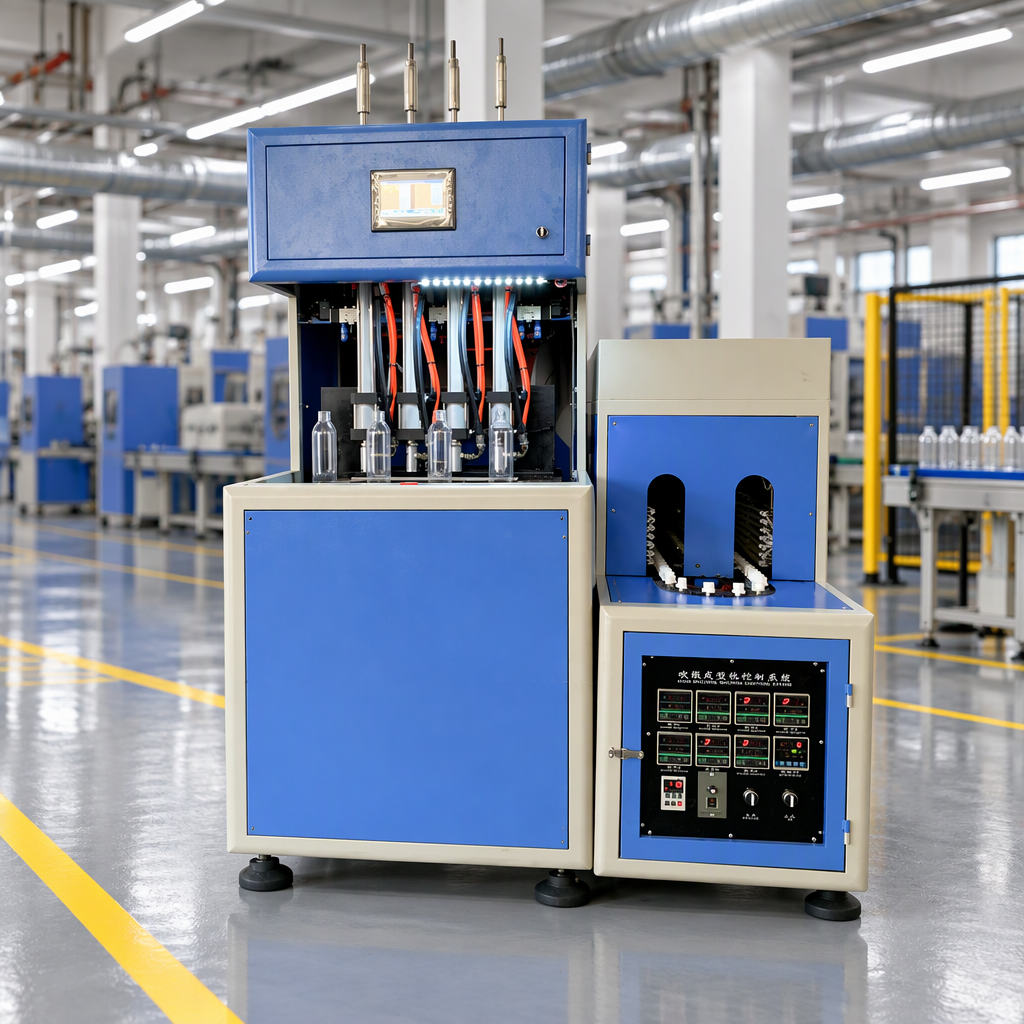
Primary Line Solutions
Featured Machinery & Integrated Packaging Equipment
High-precision filling, blow molding, rinsing, and sealing systems engineered for heavy-duty operational efficiency, certified compliance, and low lifecycle maintenance.
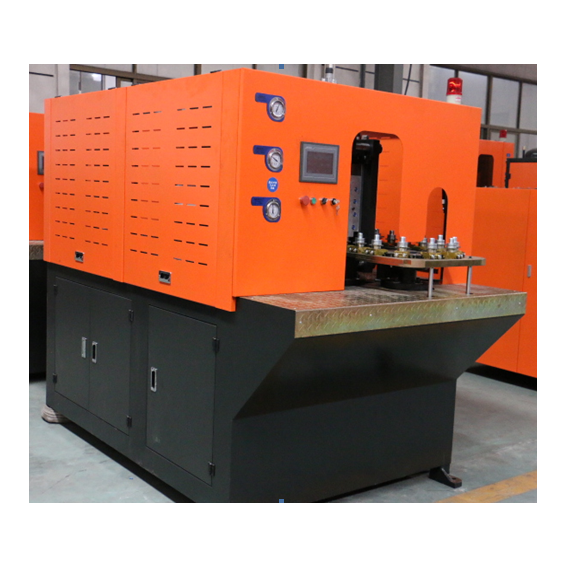
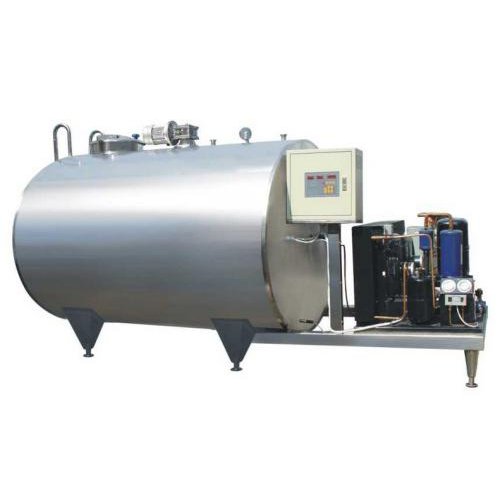
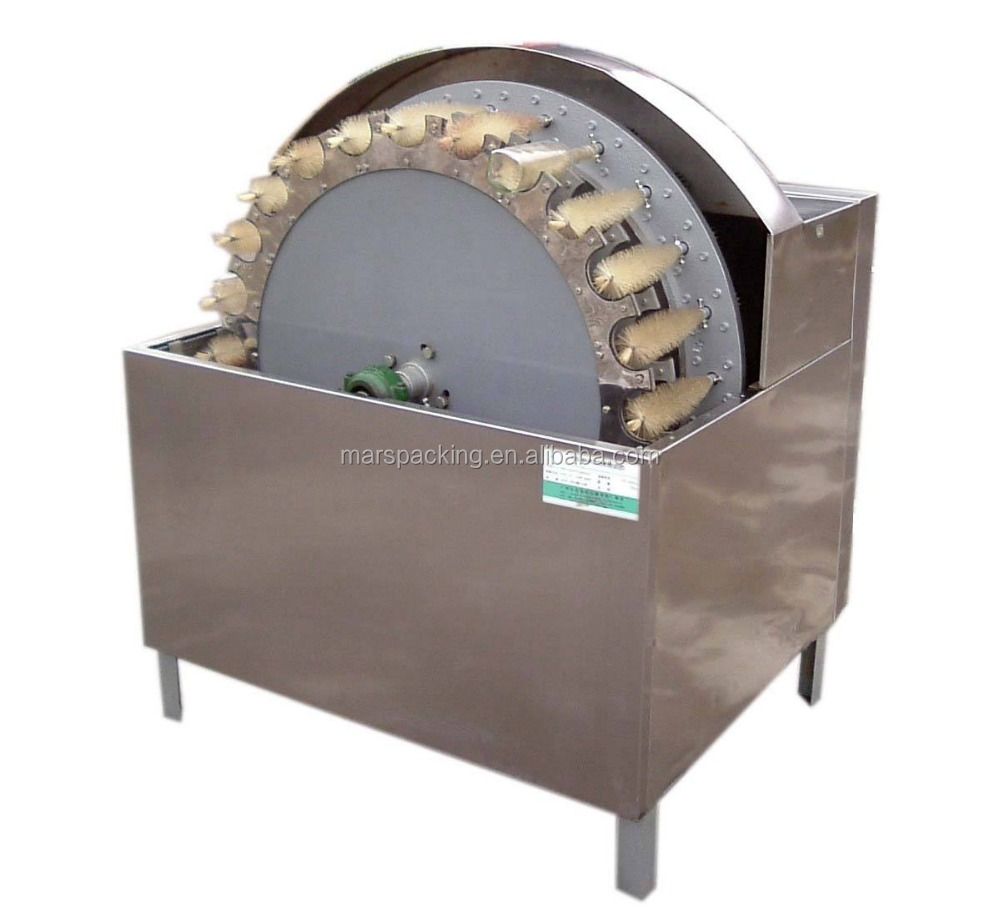
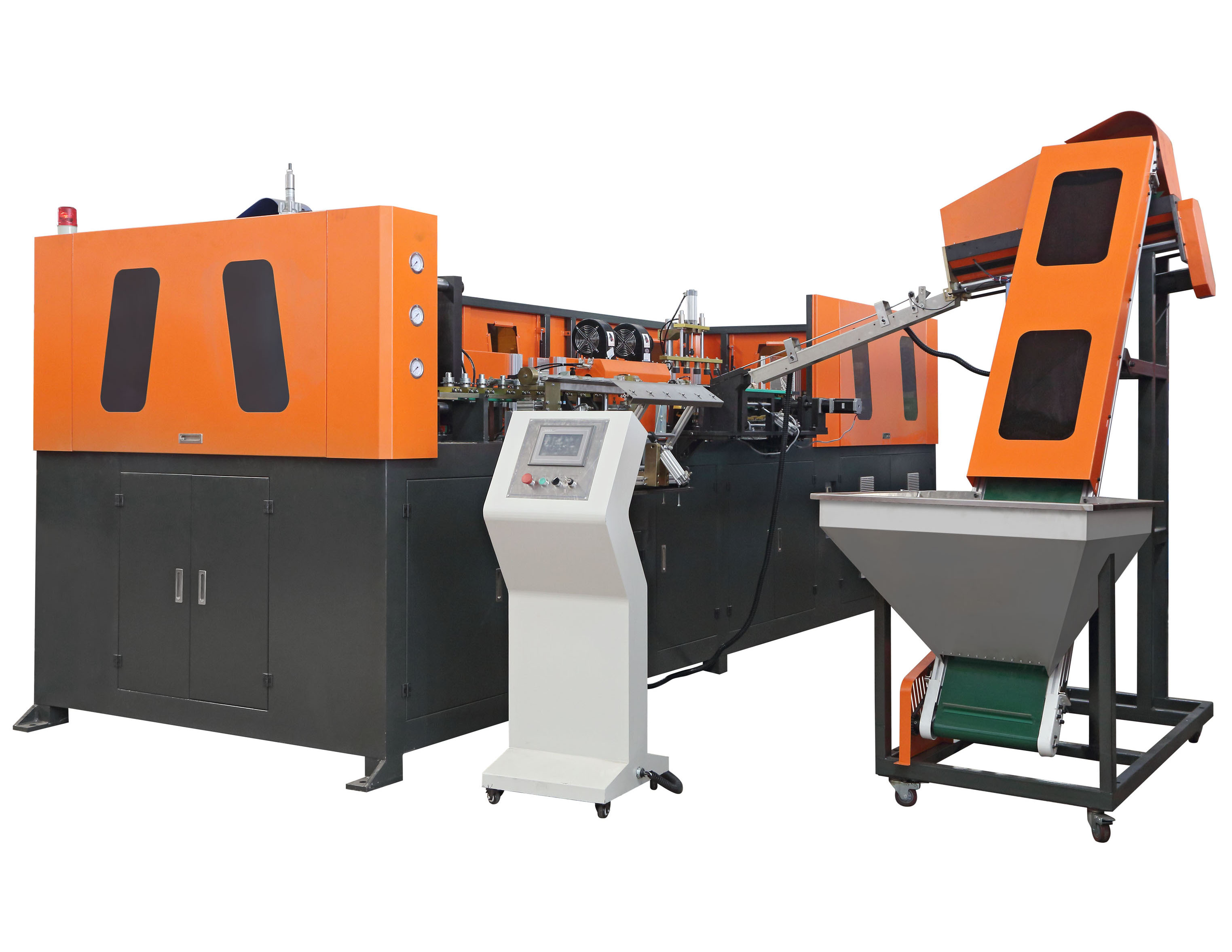
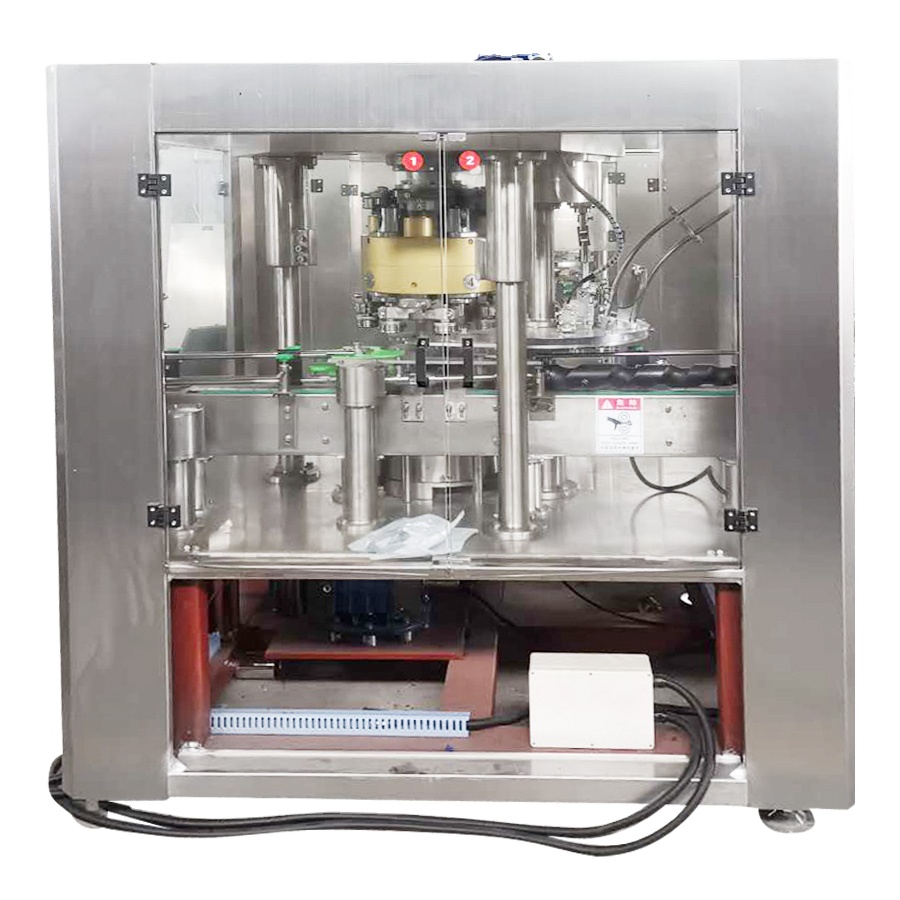

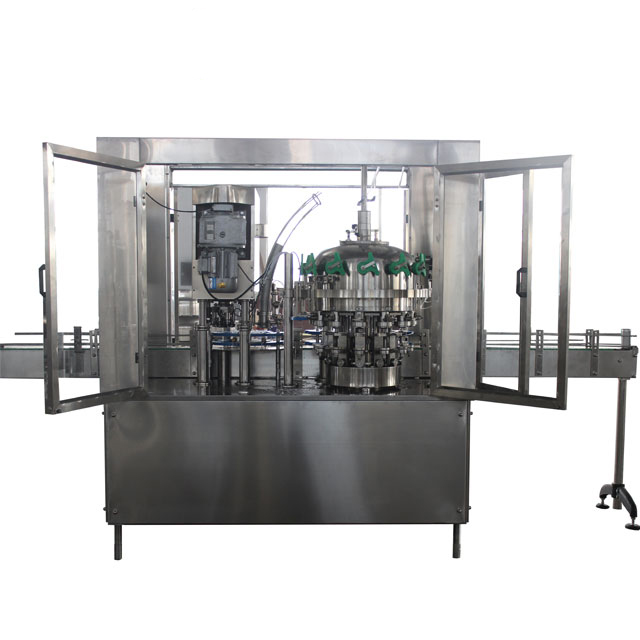
15+
Years Engineering Expertise
30+
Global Export Markets
3,000m²
Audited Assembly Workshop
±0.5%
Servo Dosing Precision
Whitepaper & Technical Manual
Engineering Blueprint: Selecting Heavy-Duty Cup Filling & Packaging Lines
In modern liquid food processing, dairy manufacturing, and fast-moving consumer beverage plants, selecting an industrial-grade cup filling machine is a pivotal decision. The intersection of mechanical reliability, microbiological safety, volumetric filling precision, and high overall equipment effectiveness (OEE) dictates factory profitability. For procurement directors, plant engineers, and operations managers, evaluating equipment goes far beyond simple speed metrics—it demands a thorough analysis of sanitary metallurgy, servo actuation dynamics, ambient oxygen barrier integration, and electrical grid adaptability.
Core Procurement Rule: High-performance cup filling lines must combine food-grade SUS304/SUS316L liquid pathways, zero-drip pneumatic nozzle cutoffs, and clean-in-place (CIP) integration to prevent cross-contamination while sustaining high volumetric efficiency.
Architecture of Modern Automatic Rotary & Linear Cup Fillers
Cup packaging machinery generally splits into two fundamental physical architectures: Rotary Cup Fillers and Linear Indexing Cup Packaging Lines. Each configuration serves specific production scales, footprint constraints, and product viscosity profiles:
Rotary Monoblock Fillers
Ideal for small-to-medium footprints requiring speeds from 1,500 to 4,500 cups/hour. Utilizes a central starwheel indexer for cup drop, UV sterilization, piston dosing, heat sealing, and automatic discharge.
Linear High-Speed Lines
Engineered for large-scale operations reaching 6,000 to 20,000 cups/hour. Multi-lane indexing platforms allow simultaneous multi-head filling, gas flushing, roll-feed film cutting, and pick-and-place case packing.
Aseptic Ultra-Clean Cabinets
Enclosed laminar flow HEPA filtration chambers (Class 100) integrated with $H_2O_2$ vapor sterilization for extended shelf life (ESL) dairy, pudding, and fresh juice applications without preservatives.
Viscosity Handling & Dosing Mechanism Engineering
Liquid rheology plays a critical role in choosing nozzle dimensions and dosing drives. Low-viscosity liquids (mineral water, fruit juices, clear spirits) rely on gravity or flowmeter-based time-pressure filling, avoiding aeration and turbulence. Conversely, medium-to-high viscosity fluids (yogurt, sauce, honey, butter, hummus) demand servo-driven positive displacement piston pumps with rotary cut-off valves.
Advanced servo pistons permit customizable stroke profiles: rapid acceleration during initial liquid entry, controlled deceleration near the cup lip, and precise suck-back actuation at completion. This eliminates stringing, splashing, and seal boundary contamination, preserving thermoformed foil heat-seal integrity.
| Dosing System Type | Target Viscosity (cP) | Volumetric Precision | Cleanability (CIP) | Optimal Product Application |
|---|---|---|---|---|
| Servo Piston Pump | 1,000 – 50,000 cP | ± 0.3% – 0.5% | Full Automated CIP | Yogurt, Jam, Cream Cheese, Sauces |
| Magnetic Flowmeter | 1 – 1,000 cP | ± 0.2% | Full Automated CIP | Juices, Milk, Flavored Water, Tea |
| Peristaltic / Gravity Valve | 1 – 500 cP | ± 0.5% – 1.0% | Manual / Semi CIP | Purified Water, Syrups, Oils |
| Auger Powder Filler | Dry Granules / Powder | ± 0.5% | Dry Vacuum Clean | Instant Coffee, Protein Powder, Spices |
Future Procurement Trends in Liquid Cup Packaging (2025–2035)
Global supply chain evolution, changing environmental legislation, and rising energy tariffs are restructuring equipment procurement priorities. Forward-looking factory operators evaluate cup packaging line capital expenditures (CAPEX) through four strategic technology trends:
1. Sustainable Mono-Material Adaptability
Transitioning from multi-layer unrecyclable plastics to recyclable PP, PET, paperboard, and compostable PLA cups requires precise thermal sealing control. Modern sealers feature digital PID temperature control within ±1°C to prevent thin eco-films from burning or under-sealing.
2. Smart IIoT PLC Diagnostics
Industry 4.0 integration connects machine PLCs via Ethernet/IP or OPC UA to central SCADA systems. Real-time monitoring of air consumption, electrical draw, cycle counts, and preventive maintenance alerts minimizes unplanned downtime.
3. Total Cost of Ownership (TCO) Sourcing
Procurement teams prioritize machines built with standardized commercial off-the-shelf (COTS) electrical components (Mitsubishi, Siemens, Schneider, Airtac, Festo). Local component availability avoids costly proprietary replacement delays.
Product Development Trends: What Distinguishes Tier-1 Manufacturers
As consumer demand shifts toward single-serve containers, functional beverages, and specialty sauces, packaging machinery OEMs are introducing modular engineering upgrades to improve flexibility and speed changeover times:
- Tool-Less Format Quick Changeovers: Modern cup indexing plates feature quick-release pneumatic locks, allowing operators to change container diameters (e.g., Ø75mm to Ø95mm) in under 15 minutes without hand tools.
- Modified Atmosphere Packaging (MAP): Integrated gas flushing injection nozzles reduce headspace oxygen residual to under 0.5% prior to sealing, extending product shelf life without chemical additives.
- Ultrasonic Sealing vs. Thermal Heat Sealing: Ultrasonic welding is expanding in dairy packaging due to its ability to bond directly through liquid residue or splash in the sealing zone without compromising seal integrity.
- Compact Turnkey Modular Line Construction: Integrating cup de-stacking, liquid filling, film sealing, over-capping, date coding, and automated end-of-line case packing into single unified control frameworks.
Factory Profile & Manufacturing Footprint: Lofsu Packing Machinery
Founded in 2010 in Zhangjiagang City, Jiangsu Province, China, Lofsu Packing Machinery Co., Ltd. is a specialized machinery manufacturer engineered for global export. Operating across an audited production floor of over 3,000 square meters, Lofsu delivers turnkey liquid packaging, water treatment, bottle blowing, and container filling solutions to beverage and food producers in over 30 countries.
With over 12 years of specialized OEM export experience, every system built by Lofsu undergoes pre-shipment factory acceptance testing (FAT) using customer-supplied container samples. All product-contact parts feature premium SUS304/SUS316 stainless steel, backed by CE certification (Directive 2006/42/EC) and full voltage adaptation for destination power supplies ranging from 220V to 450V at 50Hz or 60Hz.
Frequently Asked Questions (Technical Procurement FAQ)
Direct answers to common technical queries submitted by engineering teams and overseas buyers during machine evaluation:
What production capacity ranges do your cup and bottle packaging machines cover? ▼
Our standard linear and rotary filling lines cover production speeds from 2,000 bottles/cups per hour (BPH) on entry-level models (such as our CGF8-8-3 rotary PET monoblocks) up to 4,000–12,000 units per hour on multi-head rotary fillers and automated canning lines. Customized multi-lane linear indexing systems can be engineered to higher capacities based on container dimensions, liquid viscosity, and facility layout.
Which liquid products and container formats can be processed on these filling lines? ▼
Our machinery handles a broad spectrum of liquid viscosities and container materials. Supported liquids include purified/mineral water, hot-fill fruit juices, teas, carbonated soft drinks (CSD), beer, dairy/milk products, edible oils, condiments, and wine. Compatible containers include pre-formed plastic cups (PP/PET/PE), glass bottles, PET bottles, 5-gallon jars, and aluminum or tin cans.
Can equipment electrical specifications be customized for my local utility power grid? ▼
Yes. While our standard industrial configuration is 380V 3-Phase at 50Hz, all machine electrical panels, PLC drives, motors, and heating elements are custom-wired to match your factory power grid. We regularly configure equipment for 220V, 400V, 415V, 440V, or 480V at 50Hz or 60Hz depending on the destination country.
What quality control and testing measures are performed before machine dispatch? ▼
Every machine undergoes a rigorous Factory Acceptance Test (FAT) prior to crating. We run continuous dry cycles followed by wet operational testing using container samples provided by the customer. High-definition test videos, seal integrity audits, and dimensional check reports are supplied to the buyer for formal approval prior to export loading.
What international trade delivery terms and payment options do you support? ▼
We support global commercial shipping terms including FOB (Free on Board), CFR (Cost and Freight), CIF (Cost, Insurance and Freight), EXW (Ex Works), DDP (Delivered Duty Paid), and DDU (Delivered Duty Unpaid). Settlements are accepted in USD, EUR, or CNY via Telegraphic Transfer (T/T) or Irrevocable Letter of Credit (L/C) at sight.
Do you offer on-site installation, commissioning, and operator training services? ▼
Yes. Our field service engineering team provides global on-site installation, mechanical assembly, electrical integration, and line commissioning. We also conduct comprehensive operator training covering HMI operation, rapid format changeover, cleaning-in-place (CIP) protocols, and routine preventive maintenance routines.
Request a Tailored Engineering Layout & Commercial Quote
Submit your container drawings, liquid product characteristics, target hourly output, and factory floor dimensions. Our engineering team will supply a complete line drawing and quotation within 24 business hours.