Turnkey Beverage Bottling & Liquid Packaging Equipment
Engineered for high-speed integration with cryogenic dosing units, filling lines, blow molders, and downstream pasteurization plants serving Egyptian beverage and food manufacturers.
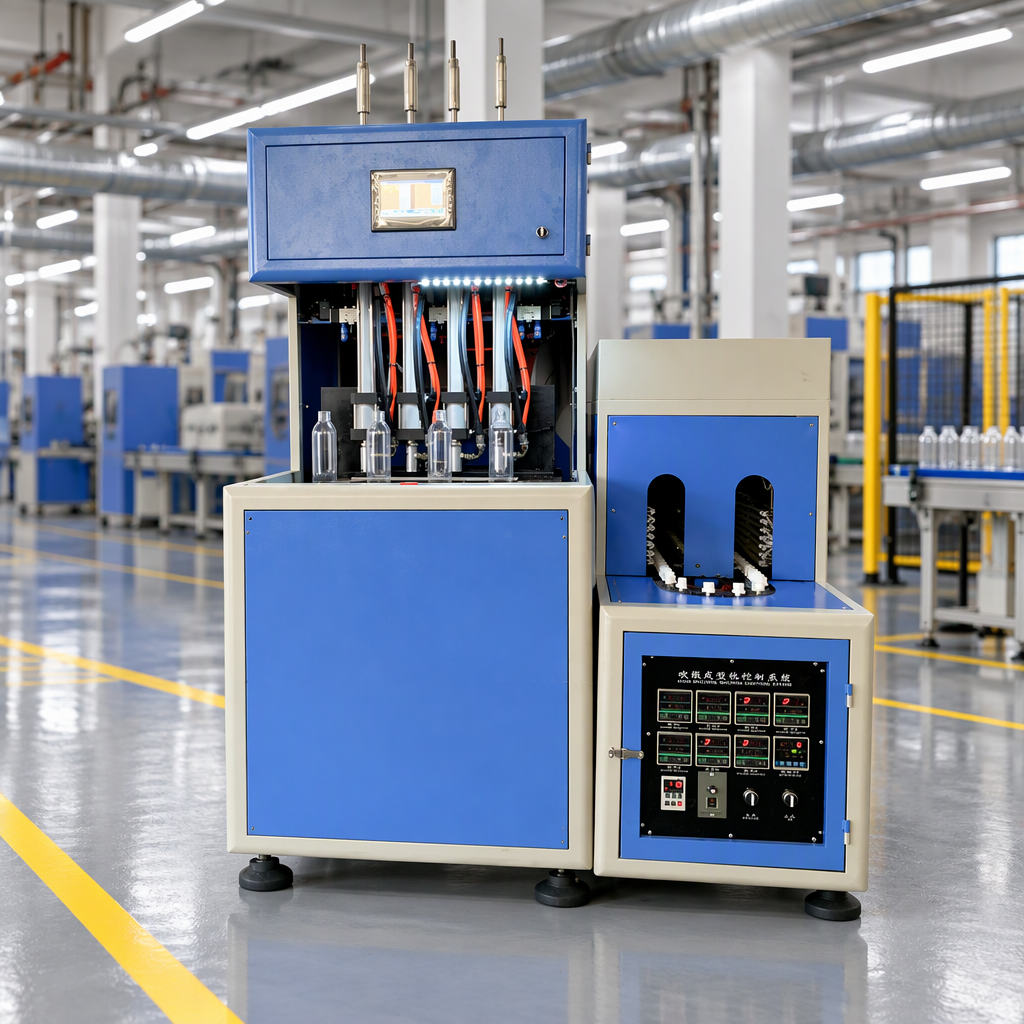
Semi Automatic 4 Cavity PET Bottle Blow Molding Machine 380V 30kW High Accuracy Production Equipment
View Details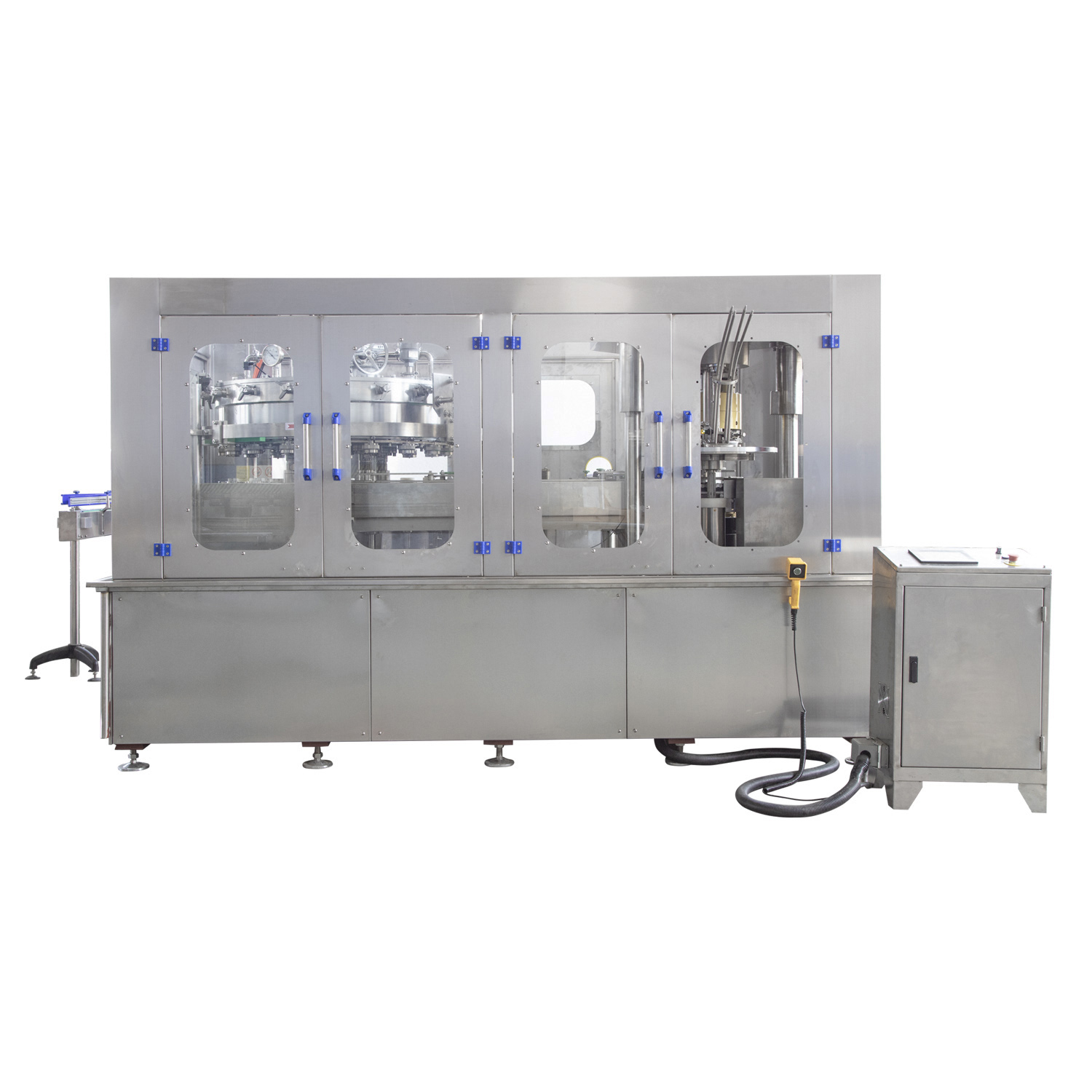
Automatic Electric PLC-Controlled High-Accuracy Metal Can Filling Machine with Motor for Carbonated Soft Drinks (CE Certified)
View Details
Automatic Soda Water Filling Canning Machine for Carbonated Soft Energy Drink
View Details
Semiautomatic 5 Gallon PET Bottle Blow Molding Machine
View Details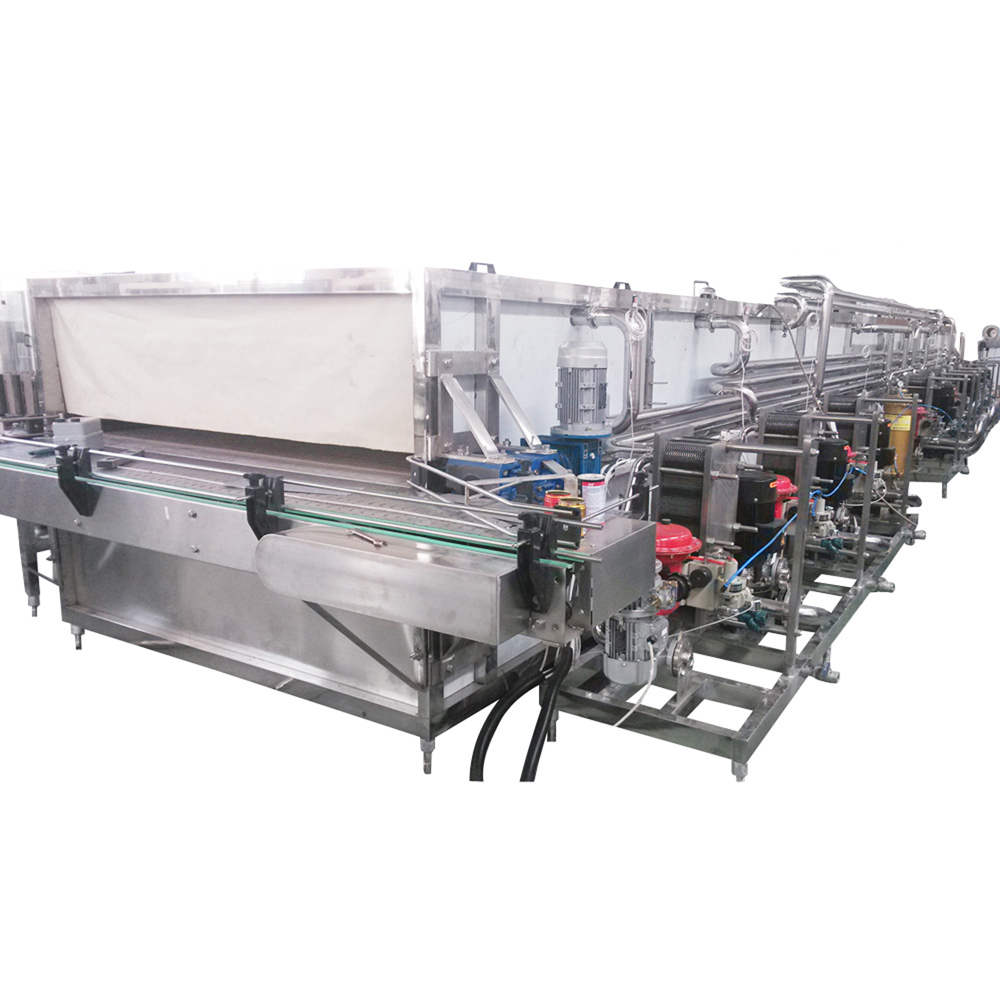
Automatic Tunnel Pasteurizing Machine SUS304 Stainless Steel Bottle Pasteurizer 380V 6.6Kw for Beverage
View Details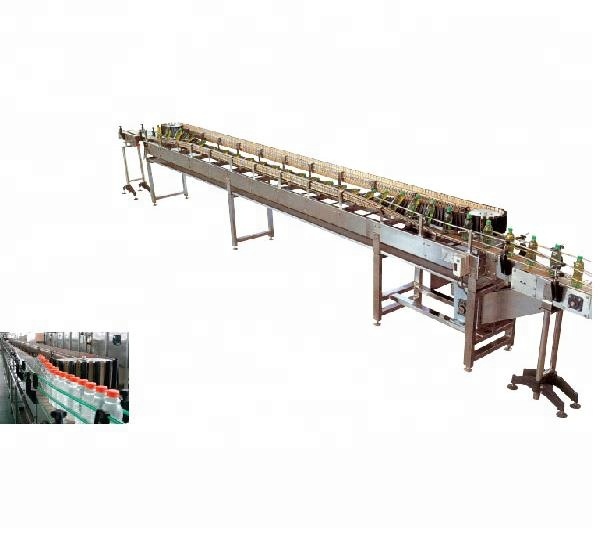
Automatic Bottle Inverse Sterilizer Electric Inline Inverting Machine 304 Stainless Steel for Beverage Glass and Plastic Bottles
View Details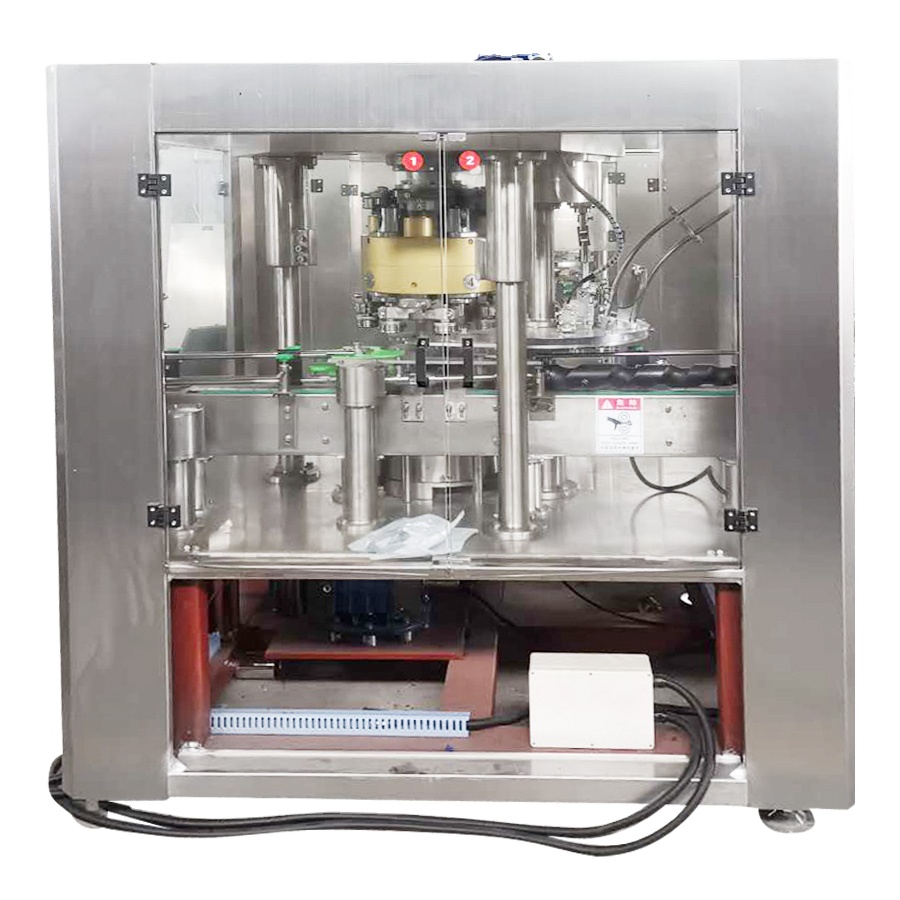
Four Head Automatic Rotary Tin Can Sealing Machine Mechanical Can Closing Equipment for Beverage Packaging
View Details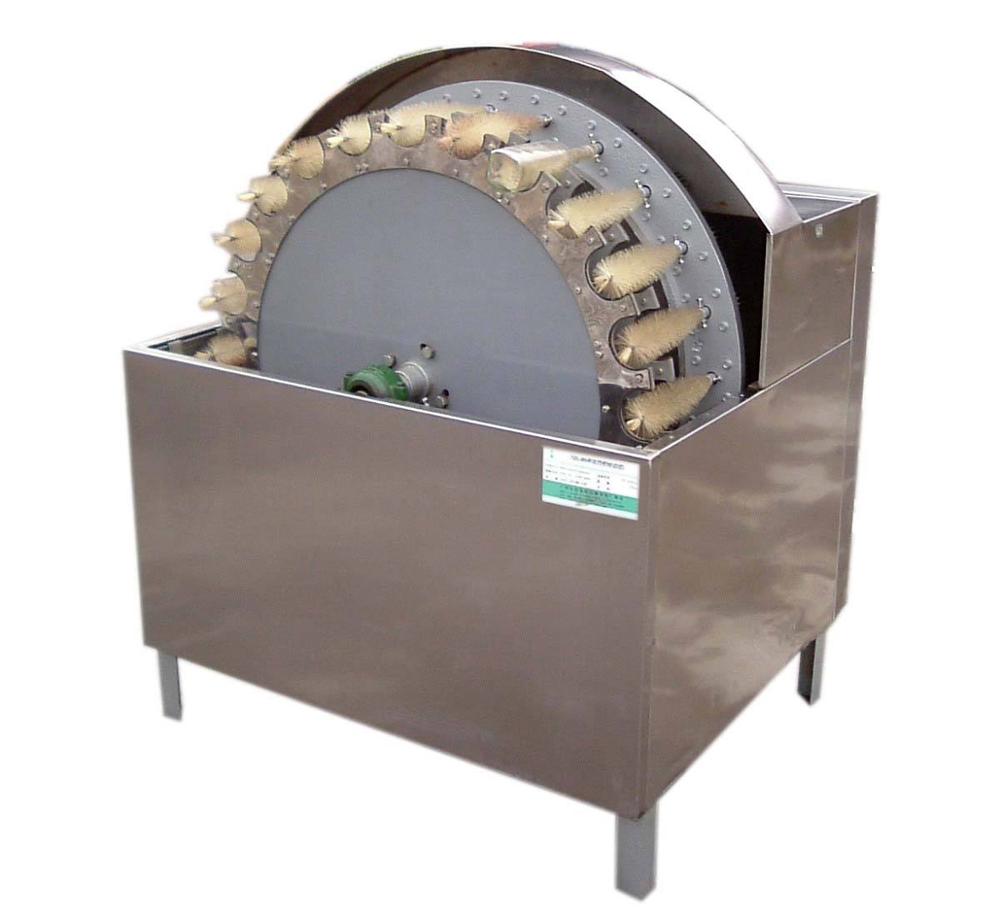
XP-24 Automatic Glass Wine Bottle Washer 380V 1.5KW Bottle Cleaning Machine
View DetailsTechnical Architecture of Liquid Nitrogen Dosing Systems in Modern Packaging
In high-speed liquid packaging environments across Egypt and the broader MENA region, maintaining structural integrity in ultra-lightweight containers while preserving product freshness is a major engineering hurdle. A Liquid Nitrogen Dosing System (LNDS) solves this dual challenge by leveraging the thermodynamic properties of liquid nitrogen (LN2). Dispensed at cryogenic temperatures of -196°C (-320°F), a precise droplet of liquid nitrogen is injected into the container's headspace immediately after the liquid filling phase and seconds before capping or seaming.
Upon exposure to ambient filling conditions, liquid nitrogen rapidly undergoes phase change, expanding by a volumetric ratio of approximately 1 to 694. This instantaneous phase change drives two distinct physical mechanisms essential for high-performance bottling and canning operations:
- Internal Pressurization & Rigidity Enrichment: The volumetric expansion trapped inside the sealed container creates controlled internal pressure (typically between 0.8 bar and 2.5 bar, adjustable via dose volume). This internal pressure grants thin-walled PET bottles, ultra-light aluminium beverage cans, and HDPE containers structural column strength, enabling high pallet stacking without sidewall buckling, panelling, or crush failures.
- Inert Gas Headspace Purging & Oxygen Displacement: As the cryogenic liquid gasifies, it expands outward, flushing atmospheric oxygen out of the container neck prior to capping. Residual oxygen levels in the headspace drop to under 0.5% (and down to <0.5 ppm dissolved oxygen levels in optimized systems), preventing lipid oxidation, color degradation, vitamin breakdown, and flavor alteration in sensitive liquid foods such as juices, cold-brew coffees, edible oils, and nutraceuticals.
Information Gain Insight: Unlike standard continuous gaseous nitrogen sparging systems—which consume large volumes of bulk gas with variable displacement efficiency—cryogenic micro-dosing systems utilize PLC-controlled, non-contact solenoid or needle valves to inject discrete micro-droplets at speeds up to 1,200 containers per minute (CPM). This ensures exact pressure repeatability per bottle regardless of conveyor line speed fluctuations.
Localized Application Scenarios Across Greater Cairo & Egyptian Industrial Sub-Markets
The industrial landscape of Greater Cairo—encompassing key manufacturing hubs such as the 6th of October City Industrial Zone, 10th of Ramadan City, Sadat City, Badr City, and the El Obour Industrial Area—presents environmental and logistical operating conditions that make liquid nitrogen dosing an indispensable technology for liquid packaging engineers.
1. Non-Carbonated Water & Juice Bottling in 6th of October City
Bottled water facilities in Cairo frequently face extreme ambient summer temperatures exceeding 42°C (107°F). When non-carbonated mineral water is bottled in lightweight PET containers (e.g., 11g to 13g preforms for 500ml), hot ambient transit causes internal air contraction when chilled, leading to severe bottle panelling (vacuum collapse). By integrating an automated liquid nitrogen doser upstream of the capping monoblock, Cairo bottlers impart 1.2 to 1.8 bar of positive internal pressure, ensuring bottles remain rigid, visually flawless, and stackable even under intense desert logistics conditions.
2. Edible Oil & Vegetable Fats Packaging in 10th of Ramadan City
Egypt’s massive edible oil refining and packaging sector—centered around sunflower, soybean, and corn oil—requires extended shelf-life protection against oxidative rancidity. Traditional heavy-gauge square PVC/PET oil bottles are being replaced with lightweight, recyclable PET designs. Liquid nitrogen dosing purges oxygen from the oil headspace to extend shelf life to 18+ months while building top-load crush strength for 5-litre and 1-litre square bottles stacked on export pallets to Saudi Arabia, Sudan, and East Africa.
3. Ready-to-Drink (RTD) Teas, Dairy & Coffee in El Obour Industrial Area
Hot-fill bottling lines traditionally require heavy-gauge heat-set PET bottles (28g–32g for 500ml) with vacuum panels to withstand thermal contraction upon cooling from 85°C. By adopting ambient filling paired with aseptic filling and liquid nitrogen injection, facilities in El Obour can switch to standard 15g PET bottles, dramatically lowering resin consumption, eliminating vacuum panels, reducing line heat loads, and delivering significant capital and operational savings.
4. Aluminium Craft & Energy Drink Canning in Sadat City
The rapidly growing local market for aluminium-canned energy drinks, sparkling waters, and RTD juices requires high seam integrity. Non-carbonated beverages filled into 250ml or 330ml sleek aluminium cans lack internal carbonation pressure, making them susceptible to crushing during conveyoring and multi-pack shrink wrapping. Liquid nitrogen dosing supplies the required internal expansion pressure to maintain structural rigidity prior to double-seaming.
Technical & Financial Impact Analysis: Standard vs. LN2-Dosed Packaging Lines
The operational return on investment (ROI) of introducing a cryogenic liquid nitrogen dosing machine into an existing or new Cairo bottling line is primarily driven by raw resin weight reduction (container lightweighting) and logistics efficiency. Below is an engineering comparison matrix:
| Packaging Metric / Parameter | Standard Non-Carbonated Line (No LN2) | LN2 Dosed Lightweight Line | Cairo Market Operational Advantage |
|---|---|---|---|
| 500ml PET Bottle Weight | 18.0g – 24.0g (Ribbed/Panelled) | 10.5g – 13.5g (Smooth-Walled) | 35%–45% PET Resin Cost Reduction |
| Pallet Top-Load Strength | Relies on thick PET wall rigidity | Relies on internal gas pressure (1.5 bar) | Higher vertical stack density in warehouses |
| Headspace Oxygen Level | Ambient Atmospheric (~20.9% O2) | Depleted (< 0.5% O2) | Prevents oxidation & preserves natural color/taste |
| Thermal Energy Consumption | High (Hot-Fill 85°C Pasteurization) | Low (Ambient Filling + LN2 Dosing) | Reduces electricity & natural gas consumption |
| Container Compatibility | Thick PET, Glass, Rigid HDPE | Ultra-thin PET, Sleek Cans, Lightweight Glass | Unlocks modern, sleek container aesthetics |
| Warehouse Panelling Risk | High during hot summer storage (35°C+) | Eliminated via positive internal expansion | Zero defective returns due to deformed bottles |
Localized Macro Trends Driving LN2 Dosing Adoption in Cairo
Several macro-economic, regulatory, and supply-chain shifts across Egypt and North Africa are making liquid nitrogen dosing technology standard equipment for high-capacity liquid packaging lines:
- EPR and Plastic Neutrality Mandates: Egyptian environmental policy aligns increasingly with global circular economy standards. FMCG multinationals and large local bottling groups in Cairo (such as those producing in 6th of October and 10th of Ramadan zones) face intense pressures to lower their carbon footprint and virgin plastic consumption. Dropping preform weight from 22g to 12g per unit saves thousands of metric tons of PET resin annually.
- Supply Chain Volatility & Resin Imports: With PET resin prices tied directly to international petrochemical markets and currency exchange dynamics, reducing grams-per-bottle shields Egyptian manufacturers against raw material price shocks and foreign exchange overhead.
- Expansion into COMESA & Middle East Export Markets: Egyptian beverage manufacturers leverage regional trade agreements (COMESA, GAFTA) to export fruit juices, edible oils, and flavored waters across East Africa and the Gulf. Long transit times across harsh desert environments require packaging that will not collapse under atmospheric pressure variations or high ambient heat.
- Transition from Glass to Can/PET Formats: Cairo’s food and beverage service sector is rapidly adopting aluminium cans and lightweight PET for bottled sauces, syrups, cold brews, and premium waters, where cryogenic dosing provides structural rigidity without altering product taste.
Why Leading Cairo Bottlers Partner with Lofsu Packing Machinery Co., Ltd.
Lofsu Packing Machinery Co., Ltd. (established in 2010 in Zhangjiagang, Jiangsu, China) is a global machinery manufacturer and exporter specializing in complete turnkey beverage bottling lines, liquid nitrogen dosing systems, blow molding units, and end-of-line packaging systems. Serving customers across 30+ countries—including extensive deployments in the Middle East and Africa—Lofsu delivers factory-direct expertise tailored to local grid requirements and industrial conditions.
- Robust Cryogenic Engineering & Vacuum Insulation: Our liquid nitrogen dosing units utilize dual-walled vacuum-insulated piping (VIP) with integrated automatic self-monitoring purge valves to minimize cryogenic boil-off loss. Contact components are crafted from sanitary SUS304 and SUS316L stainless steel.
- Integrated Speed Tracking & PLC Control: Equipped with premium Siemens or Mitsubishi PLC systems and high-speed optical sensor arrays, Lofsu dosers automatically sync dosing frequency with line speed changes (from 0 to 1,200 CPM), preventing over-dosing or missed bottles during line ramp-up and stopping cycles.
- Egyptian Grid Compatibility (380V–415V / 50Hz): All electrical panels, motors, and PLC drivers are custom-built to support 380V/400V/415V 50Hz three-phase power standards utilized throughout Cairo’s industrial zones, ensuring electrical safety and long component service life.
- Rigorous Pre-Shipment Testing (FAT): Every dosing unit and bottling line undergoes full Factory Acceptance Testing (FAT) with client-supplied preforms, caps, and container samples before export packaging. Video inspection logs and technical sign-offs are provided prior to shipment.
- End-to-End Turnkey Line Delivery: Beyond stand-alone dosing units, Lofsu builds comprehensive production lines including RO water treatment plants, PET blow molders, rinsing-filling-capping monoblocks, inverse bottle cap sterilizers, tunnel pasteurizers, rotary hot-melt/cold-glue labelers, and automatic shrink-wrapping case packers.
Frequently Asked Questions (FAQ) for Cairo Plant Engineers & Buyers
1. How is Liquid Nitrogen (LN2) sourced and supplied for plants in Cairo?
Liquid nitrogen is readily available across Egypt through regional industrial gas suppliers operating in Greater Cairo, Alexandria, and Suez industrial corridors (such as Gulf Cryo, Air Liquide Egypt, Egypt Gas, and local cryogenic distributors). It is typically delivered via vacuum-insulated bulk cryogenic tanks or dewar cylinders. Our dosing systems connect directly to your plant’s LN2 supply via insulated flexible hoses.
2. How does high ambient room temperature in Cairo affect liquid nitrogen dosing?
Ambient heat (35°C to 45°C in summer) increases natural boil-off rates if cryogenic lines are uninsulated. Lofsu dosing systems incorporate multi-layer vacuum-insulated transfer hoses, automatic frost-free dosing heads, and internal pressure release valves to maintain LN2 in a stable liquid state right up to the dosing nozzle, preventing premature gasification and ensuring dose consistency.
3. Can a liquid nitrogen doser be retrofitted into an existing Cairo filling line?
Yes. Our dosing units feature compact footprints and height-adjustable stainless steel mounting stands. They are easily installed over existing belt or tabletop chain conveyors between the filling machine discharge and the capper/seamer inlet. Synchronization is established via proximity sensors or encoder feedback connected to your existing line control system.
4. What is the typical payout period (ROI) for liquid nitrogen dosing in Egypt?
For high-speed bottling facilities in Egypt running at 12,000+ bottles per hour, dropping preform resin weight by just 3g to 5g per bottle typically yields full equipment payback within 4 to 8 months of continuous operation, purely based on raw material savings.
5. What maintenance is required for cryogenic dosing machinery?
Routine maintenance is low due to minimal moving mechanical parts. Key activities include periodically inspecting cryogenic seals, verifying nozzle heating elements (which prevent ambient moisture freeze-up on the tip), calibrating optical sensors, and flushing line filters. Lofsu supplies full maintenance manuals, video guidance, and recommended spare parts packages with every shipment.
6. How does Lofsu support installation, commissioning, and training in Egypt?
Lofsu offers remote engineer-assisted online commissioning as well as on-site engineering dispatch to Cairo industrial zones. Our technical team assists with mechanical mounting, PLC calibration, line speed syncing, operator training, and safety protocols for handling cryogenic liquids.
Request Technical Specifications & Wholesaler Pricing for Cairo Operations
Consult with our senior liquid packaging engineers to configure a custom liquid nitrogen dosing system or complete bottling line tailored to your bottle design, speed targets, and factory layout.
Contact Us