Recommended Soda & Beverage Bottling Machinery for Fukuoka
Explore our flagship, factory-tested carbonated liquid filling lines, inverse rinse-sterilizers, and seaming systems engineered to meet Japan’s stringent sanitary standards and 200V/60Hz electrical specifications.
Fukuoka’s Carbonated Beverage Ecosystem & Engineering Standards
As the economic engine of Kyushu, Fukuoka Prefecture has transformed into a dynamic hub for craft carbonated beverages, craft soft drinks, RTD (Ready-To-Drink) canned alcohol, and traditional Ramune production. Local beverage entrepreneurs and established bottling plants across Tenjin, Hakata, Kitakyushu, and Kurume demand highly flexible, sanitary, and oxygen-controlled bottling machinery.
Designing a soda bottling line for the Fukuoka market requires strict adherence to Japan’s Food Sanitation Act (食品衛生法) and seamless compatibility with the Western Japan electrical grid (200V / 60Hz 3-phase standard). Maintaining high volumes of carbonation (typically 3.8 to 4.5 Vol of dissolved CO2) while minimizing Dissolved Oxygen (DO) pick-up (< 30 ppb) is vital for maximizing shelf life and preserving delicate local flavors—such as Fukuoka Amaou strawberry extracts, Yuzu botanicals, and highball spirit bases.
Engineering Principles: Isobaric Counter-Pressure Carbonated Filling
Carbonated Soft Drinks (CSD), sparkling spring water, and effervescent chu-hi drinks present unique physical challenges during high-speed packaging. If pressure drops unexpectedly during liquid transfer, CO2 breaks out of solution, leading to excessive foaming, erratic filling heights, and lost carbonation intensity.
Our filling valves equalize container pressure with the filler bowl prior to liquid valve opening (typically at 0.25 to 0.40 MPa). This guarantees laminar, foam-free liquid flow down the internal container walls.
Before carbonated soda is injected, bottles or aluminum cans undergo two stage vacuum evacuations. Oxygen is flushed out with pure CO2, bringing total package oxygen (TPO) to industrial minimums.
Equipped with dummy cup automatic CIP (Clean-in-Place) recirculation loops. All liquid touchparts are machined from certified SUS304 / SUS316L mirror-polished stainless steel, passing EHEDG hygiene criteria.
Localized Application Scenarios in Fukuoka & Kyushu
Fukuoka’s food and beverage industry demands specialized machine configurations adapted to regional consumer tastes, distinct container formats, and localized production batch sizes.
1. High-Carbonation Fruit-Infused Sparkling Waters
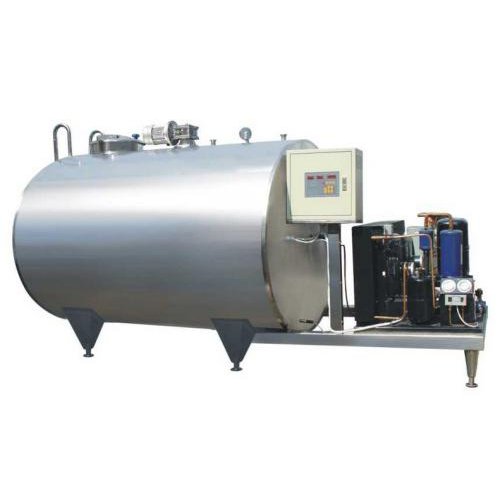
Local artisan producers utilizing famous Fukuoka Amaou strawberries, Itoshima botanical herbs, and Oita Yuzu extracts require gentle syrup-water mixing without thermal degradation. Our high-precision Carbo-Mixer units ratio water, syrup, and CO2 in continuous chilling loops at 2°C to 4°C, ensuring carbonation retention up to 4.5 volumes in glass or PET bottles.
2. Shochu Highball & Chu-Hi Aluminum Canning Lines
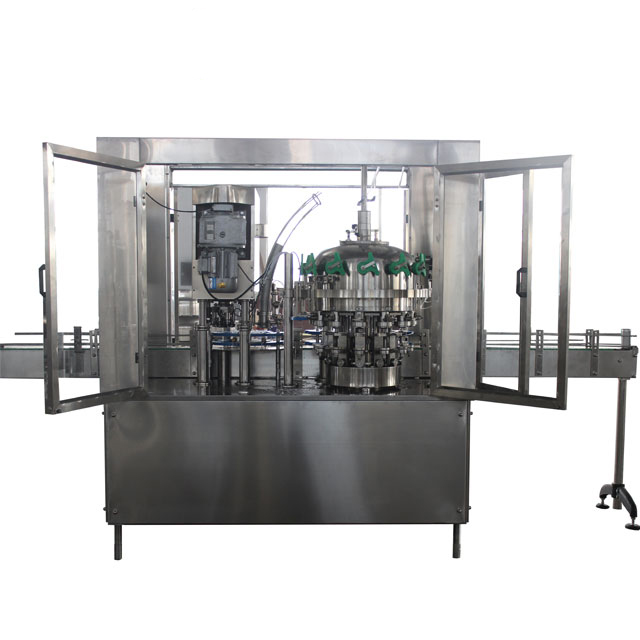
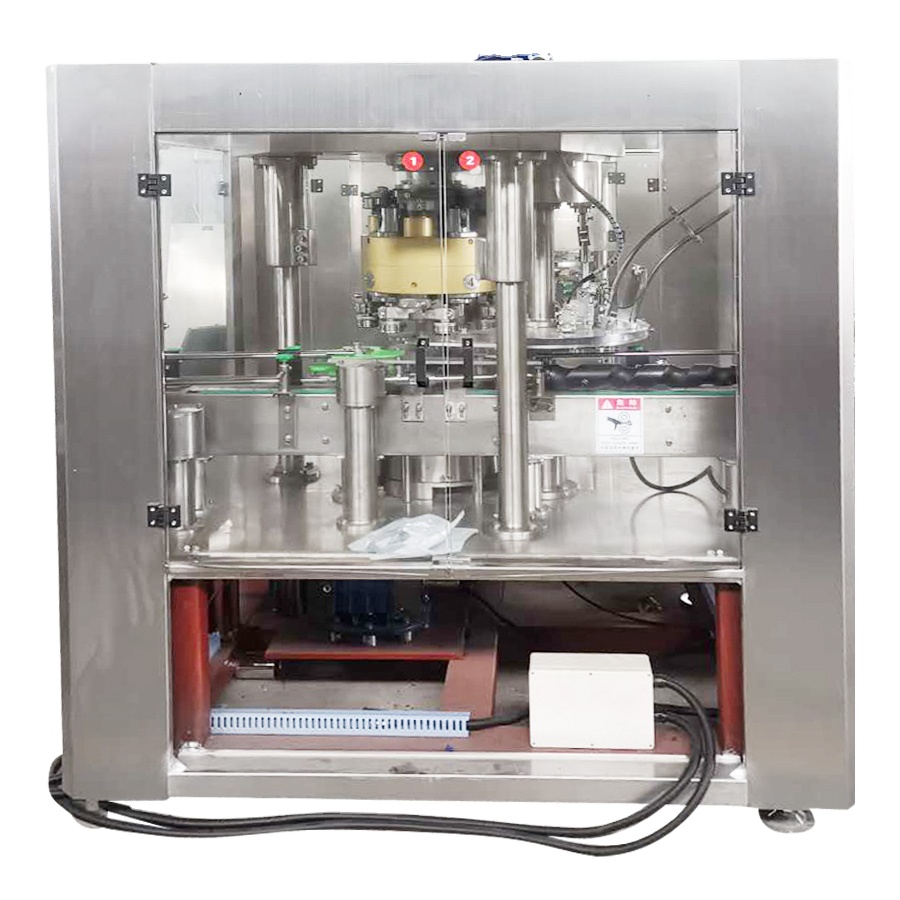
With Kyushu being the birthplace of Japanese Shochu, Fukuoka micro-breweries are rapidly introducing RTD canned highballs. Our GDF12-1 12-Nozzle Monoblock incorporates pneumatic can-lifting pedestals, double-seam closing mechanisms, and liquid nitrogen dosing options for non-carbonated or low-gas fruit juice tea infusions.
3. Traditional Ramune & Nostalgic Glass Beverage Packaging
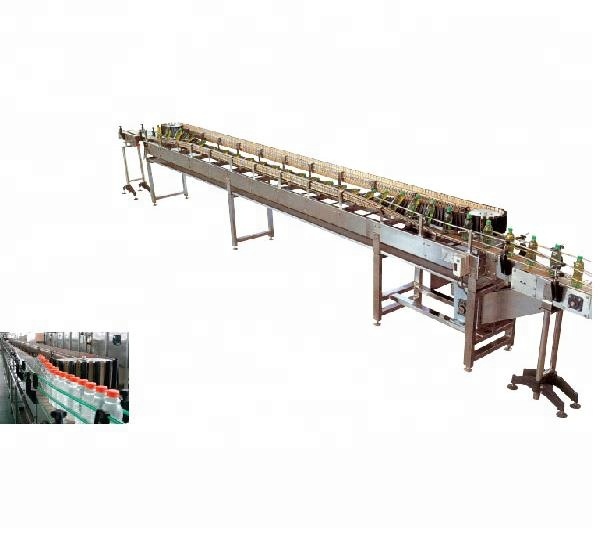
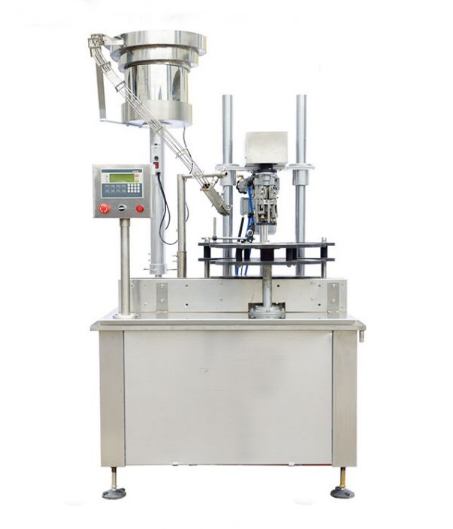
Fukuoka remains a stronghold for nostalgic glass-bottled soda and marble-sealed Ramune. Our customized rotary screw capping and bottle-inverting sterilizers handle heavy-gauge glass containers, applying exact torque to prevent glass fracture while securing leak-proof seals against high internal carbonation pressures.
4. Sparkling Mineral Water Bottling from Local Springs
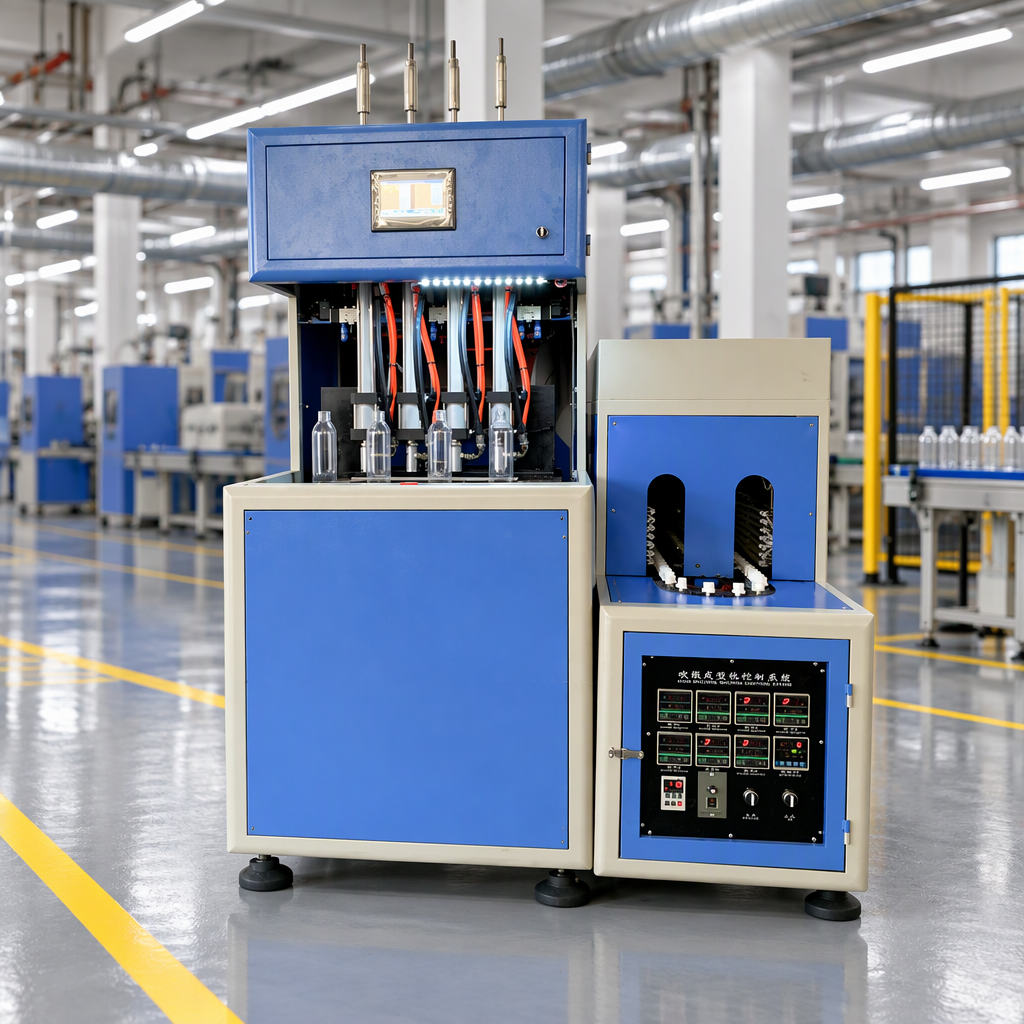
Bottlers leveraging volcanic natural mineral springs around Mt. Aso and the Kyushu mountain range require ultra-pure ozone and UV water treatment prior to isobaric carbonation. Our turnkey A-to-Z water lines combine blow molding, sterile rinsing, isobaric filling, and wrap-around case packing under one synchronized PLC control architecture.
Technical Comparison: Filling Technologies for Soda Bottling
Understanding the technological leap from atmospheric filling to advanced isobaric dual-vacuum filling is crucial for Fukuoka beverage directors evaluating capital machinery investments.
| Technical Parameter | Atmospheric Gravity Filler | Standard Isobaric Filler | Lofsu Dual-Vacuum Isobaric Monoblock |
|---|---|---|---|
| Suitable Beverage Type | Still Water, Non-Gas Tea | Standard CSD, Soda Water | Craft Soda, Highball RTD, Ramune, Sparkling Water |
| Max CO2 Dissolution Volume | 0 Vol (No Carbonation) | 3.2 – 3.8 Volumes | Up to 5.0 Volumes (Stable Chill Fill) |
| Dissolved Oxygen (DO) Level | > 120 ppb | 50 – 80 ppb | < 25 – 30 ppb (Vacuum Degassing) |
| Container Compatibility | Rigid PET / Glass | Standard PET / Glass / Cans | Lightweight PET, Glass, Aluminum Cans (Universal) |
| Fukuoka Electrical Standard | Requires Converter | Custom Order | 200V / 60Hz 3-Phase Built-In (Kyushu Compatible) |
| CIP Sanitization System | Manual Flush | Semi-Automatic CIP | Fully Automated 3-Stage CIP Recirculation Loop |
Why Fukuoka Beverage Producers Choose Lofsu Machinery
Lofsu Packing Machinery Co., Ltd. brings over 15 years of liquid packaging engineering expertise to the Japanese market. Established in Zhangjiagang, Jiangsu—China’s premier beverage machinery cluster—we integrate high-grade components with European design standards to deliver dependable turnkey factories.
All electrical cabinets are wired with high-tier Schneider/Omron switchgear, CE-marked safety interlocks, and specialized 200V 60Hz transformers specifically engineered for Fukuoka and Western Japan power distribution lines.
Before dispatch, every machine undergoes a rigorous 72-hour continuous FAT run using the buyer's exact bottle samples and liquid viscosity specifications. Full HD inspection videos and test reports are supplied prior to shipment.
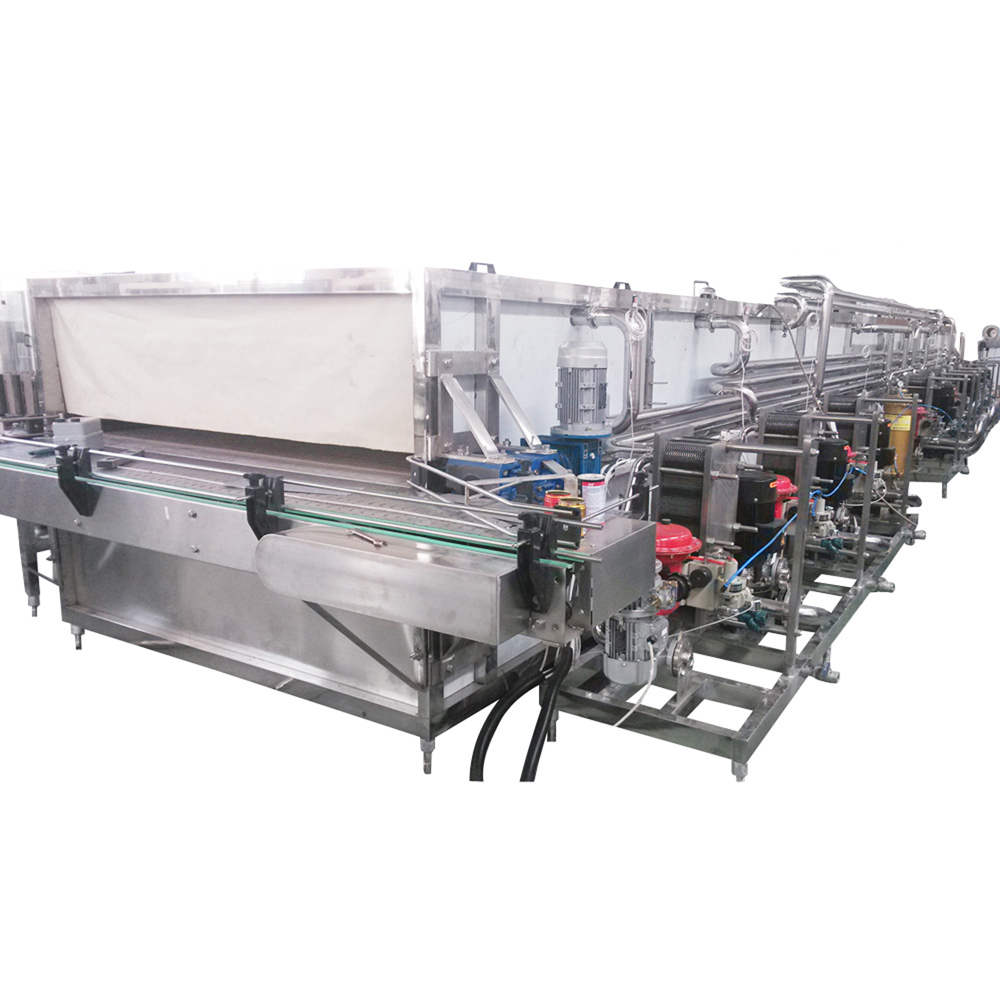
From raw water reverse osmosis (RO) treatment to PET preform blowing, carb-mixing, pasteurization tunnels, OPP labeling, and shrink wrapping, we deliver fully balanced lines without operational bottlenecks.
Frequently Asked Questions by Fukuoka Procurement Teams
Unlike standard export machinery configured for 380V/50Hz, our dedicated engineering team builds custom electrical control cabinets equipped with Japan-compliant transformers, 60Hz inverter drives (VFD), and Japanese-language touchscreens (Omron or Mitsubishi PLC). This guarantees plug-and-play installation across Fukuoka Prefecture.
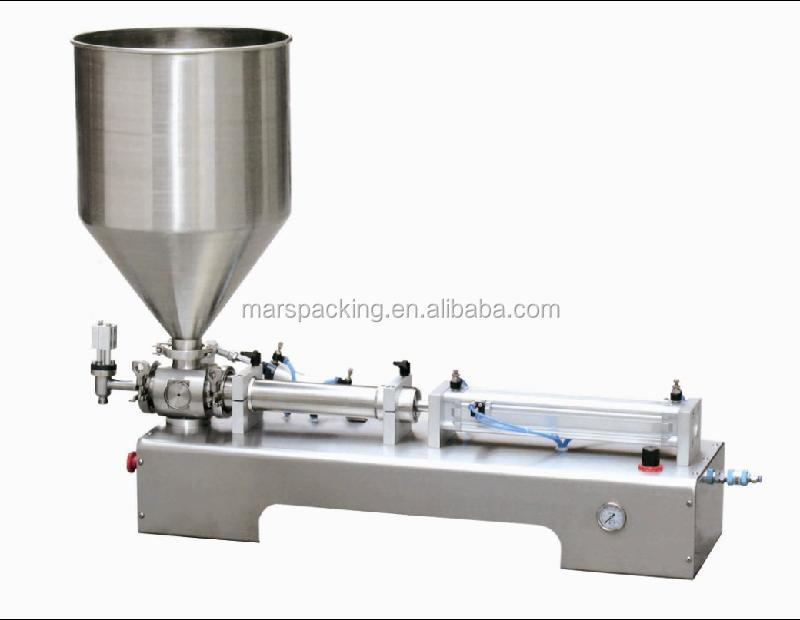
For boutique beverage producers starting between 1,000 to 2,000 bottles or cans per hour, we recommend our compact monoblock lines (such as the GDF12-1 Can Filler/Seamer or CGF8-8-3 Bottle Isobaric Filler) paired with a semi-automatic double-head filling unit for batch testing. This setup reduces floor space requirements while maintaining high carbonation control.
Yes. By utilizing mechanical isobaric counter-pressure filling valves equipped with slow venting / snifting channels, the liquid flows down the inner wall under equalized pressure. Combined with inline product chilling (2°C–4°C), carbonation levels up to 4.5–5.0 volumes can be sealed cleanly without liquid loss.
Absolutely. Every valve, pipe fitting, storage tank, and manifold that touches your beverage is constructed from certified food-grade SUS304 or SUS316L stainless steel. Seals and gaskets are fabricated from FDA/Japanese food-contact-approved EPDM or PTFE materials resistant to acid syrups and CIP cleaning chemicals.
We provide full installation support. Our dispatch engineers can be deployed on-site to Fukuoka for line assembly, trial runs, and operator training. Additionally, all core wear components utilize globally standard brands (Festo, SMC, Schneider, Omron), allowing fast local replacement alongside our quick-ship spare parts kits.
We regularly handle ocean freight shipments under CIF, FOB, CFR, DDP, and DDU terms directly to the Port of Hakata (Fukuoka). Equipment is packaged in seaworthy, vacuum-sealed wooden cases to protect electrical panels and polished stainless steel surfaces from ocean humidity.
Ready to Upgrade Your Soda Bottling Line in Fukuoka?
Consult with our Senior Beverage Machinery Engineers today. We provide free factory layout planning, customized isobaric filling proposals, and complete quote estimates within 24 hours.
Contact Us