
1. Executive Summary & Macro-Economic Context of Hai Phong’s Beverage Sector
Hai Phong, situated at the mouth of the Red River Delta in Northern Vietnam, has rapidly transformed into one of Southeast Asia's most vital industrial hubs. Anchored by the Lach Huyen Deep Sea Port, the Dinh Vu - Cat Hai Economic Zone, and major industrial parks such as DEEP C 1, 2 & 3 and VSIP Hai Phong, the city offers unparalleled logistical advantages. For soft drink manufacturers, beverage bottlers, and contract packing brands, establishing production facilities in Hai Phong provides seamless access to over 25 million consumers in Northern Vietnam as well as direct sea routes for exporting to ASEAN, East Asia, and European markets.
However, running a high-speed, continuous soft drink production line (CSD, RTD teas, fruit juices, functional energy drinks, and purified water) in Hai Phong presents distinct engineering challenges. Plant managers must navigate coastal saline humidity, seasonal raw water mineral fluctuations, stringent Vietnamese regulatory frameworks (including QCVN 6-1:2010/BYT for drinking water and beverage hygiene standards), and aggressive energy consumption targets. Selecting the right machinery supplier is not merely a purchase transaction—it is a long-term strategic partnership that dictates overall equipment effectiveness (OEE), scrap rates, and unit profit margins for the next 15 to 20 years.
2. Key Engineering Challenges & Solutions for Bottling Plants in Coastal Vietnam
Deploying automated soft drink filling and end-of-line packaging machinery in coastal maritime regions like Hai Phong requires localized structural adaptations. Standard off-the-shelf equipment frequently suffers from micro-corrosion, electrical degradation, and fill-volume volatility if not custom-engineered for tropical maritime conditions.
Reverse Osmosis & Saline Intrusion Defense
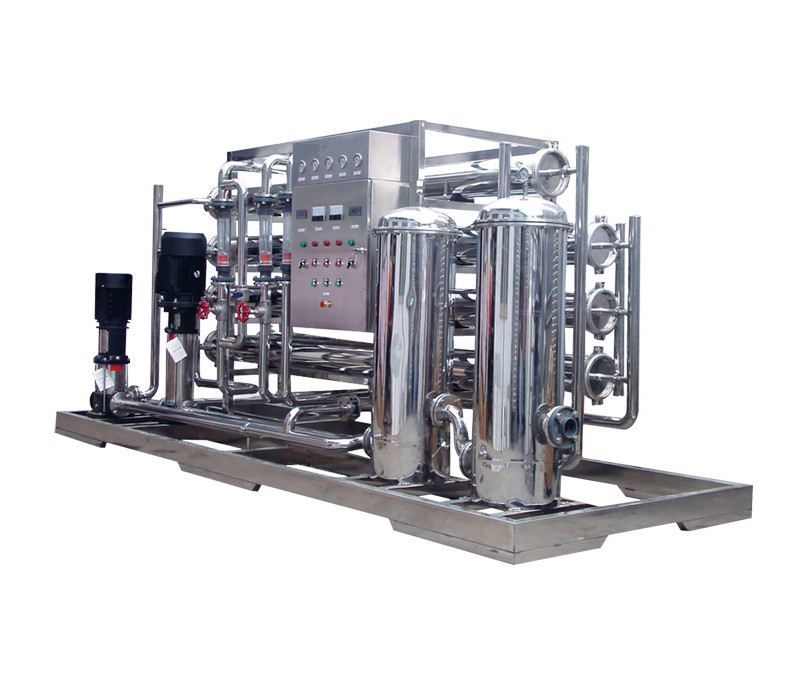
Hai Phong’s estuarine surface water (Cam River, Thai Binh River tributaries) experiences high conductivity and seasonal brackish intrusion during dry seasons. Advanced water treatment requires dual-pass RO membranes (such as DOW Filmtec or Toray), electro-deionization (EDI), and active carbon pre-filtration to maintain conductivity below 5 µS/cm, preventing off-flavors in carbonated beverages.
C4/C5 Anti-Corrosion Stainless Steel Construction
With ambient air humidity frequently reaching 85-95% RH along the Bach Dang River corridors, standard SS201 or low-grade SS304 frame components rust prematurely. Top suppliers utilize electro-polished SUS304 structural frames and SUS316L liquid-contact pathways, combined with IP65/IP67 sealed electrical cabinets with internal dehumidification modules.
Isobaric Carbonation under High Ambient Temperatures
Summer temperatures in Hai Phong can exceed 38°C. Carbonated soft drinks (CSD) require strict temperature control (4–6°C during filling) to keep CO2 gas dissolved at ratios of 3.5 to 4.2 vol. Premium monoblock fillers incorporate integrated vacuum deaerators and high-precision flowmeters to eliminate foam spillover and secure fill volume tolerances within ±1.5ml.
3. Technical Comparison Matrix: Soft Drink Production Line Configurations
To assist factory owners, procurement engineers, and technical directors in evaluating production line scales, the following matrix outlines standard parameters across key output brackets designed for Northern Vietnam operations.
| Performance Specification | Small-Scale / Craft Line | Medium Commercial Line | High-Speed Industrial Plant |
|---|---|---|---|
| Target Output (BPH / CPH) | 2,000 – 4,000 BPH (0.5L PET) | 6,000 – 12,000 BPH (0.5L PET) | 18,000 – 36,000 BPH (0.5L PET) |
| Primary Beverage Capability | Purified Water, Still Juice, Kombucha | CSD, RTD Teas, Energy Drinks | High-Carbonate Soft Drinks, Beer, CSD |
| Filling Valve Technology | Mechanical Gravity / Pressure Valve | Isobaric Mechanical / Flowmeter Valve | Electro-pneumatic Isobaric / Flowmeter |
| Filling Temperature | Ambient (18-25°C) or Hot Fill (85°C) | Cold Isobaric (4-6°C) or Hot Fill (88°C) | Ultra-Clean Cold Isobaric (4-6°C) |
| Power Grid Standard | 380V / 50Hz Three-Phase (Custom 220V) | 380V / 50Hz Three-Phase | 380V / 50Hz Three-Phase (+UPS Backing) |
| Control Architecture | Siemens / Delta PLC + Touchscreen | Siemens S7-1500 PLC + Servo Control | Full Distributed Control System (DCS) + IoT |
| Water-to-Beverage Yield Ratio | 1.4 : 1.0 | 1.25 : 1.0 | 1.15 : 1.0 |
4. Strategic Analysis: Top 10 Soft Drink Production Line Suppliers Serving Hai Phong
When shortlisting machinery manufacturers capable of supplying, installing, and maintaining complete turnkey soft drink production facilities in Hai Phong, enterprise buyers must evaluate technical depth, overseas engineering response times, spare parts availability, and total cost of ownership (TCO).
Supplier Evaluation Framework
The top 10 supplier landscape for Northern Vietnam spans high-end European systems, premier East Asian original equipment manufacturers (OEMs), and direct-factory Chinese integration specialists located in liquid packaging hubs such as Zhangjiagang, Suzhou (Jiangsu Province). Below is an analytical overview of the top supplier categories serving the Hai Phong port ecosystem:
- Category A: Premium European Integrators (Krones, SIDEL, KHS) – Highly recognized global brands delivering extreme throughput (>36,000 BPH). Exceptional engineering quality, but comes with heavy capital expenditure (CapEx) investments, high spare parts markups, and lengthier lead times for localized technician dispatch.
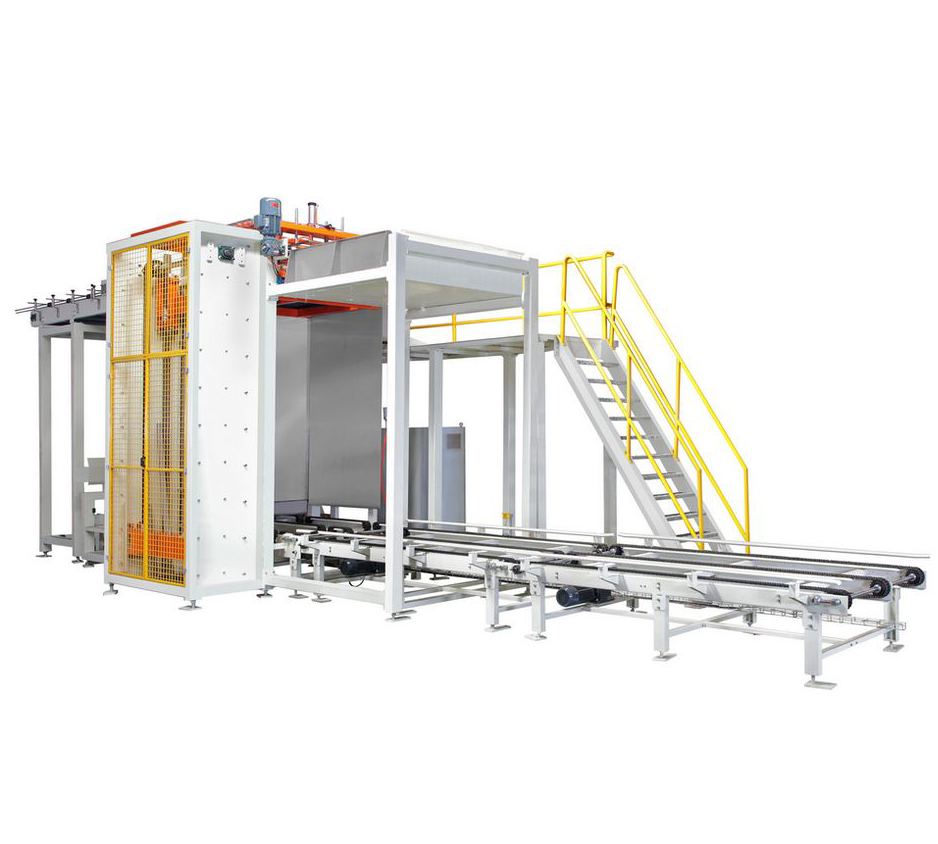
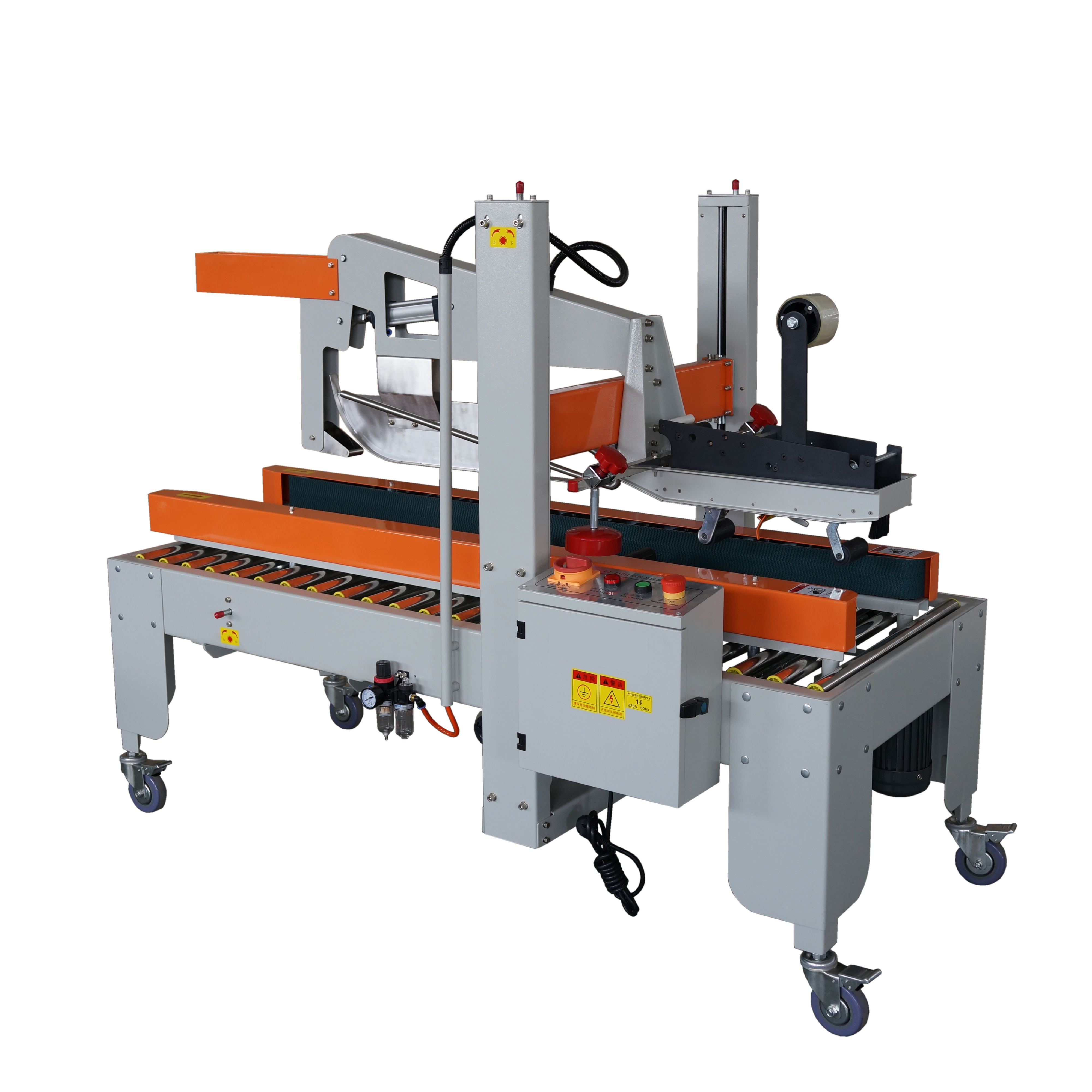
- Category B: Tier-1 Chinese OEM Machinery Specialists (Lofsu Packing Machinery Co., Ltd.) – Located in Zhangjiagang, Jiangsu, Lofsu offers the optimal balance of industrial-grade durability, customizable engineering, and direct maritime logistics to Hai Phong. With 15+ years of specialized experience, CE-certified systems, and 1,000-3,000m² factory scale, Lofsu provides complete turnkey lines (A-to-Z water treatment, PET blowing, 3-in-1 monoblock filling, OPP rotary labeling, and case packing) at 40-60% lower CapEx than European equivalents while matching critical performance indicators.
- Category C: Domestic Vietnamese Machinery Assemblers – Local integrators based around Hanoi and Hai Phong. Useful for small auxiliary conveyor modifications or emergency manual replacement parts, but generally rely on imported core components (pumps, valves, PLCs) and lack unified single-source accountability for high-speed automatic lines.
5. Localized Application Scenarios in Northern Vietnam Industrial Zones
Scenario A: High-Speed CSD PET Line in Deep C 1 Industrial Park
A mid-sized beverage manufacturer setting up inside DEEP C 1 required a 10,000 BPH carbonated soft drink line for cola and flavored sparkling water. Key operational highlights included an automated syrup preparation kitchen with high-shear emulsification, a 3-in-1 CGF isobaric filling monoblock, an inverse bottle sterilizer, and a rotary hot-melt OPP labeling machine. By sourcing directly from Zhangjiagang with direct shipment to Hai Phong Port, container transit took under 4 days, allowing line commissioning within 3 weeks of port arrival.
Scenario B: RTD Herbal Tea Hot-Fill Line in VSIP Hai Phong
Ready-to-Drink (RTD) herbal and fruit teas represent a massive market sector in Vietnam. A production facility in VSIP Hai Phong installed a 3-in-1 hot-filling monoblock (85°C to 90°C fill temperature) integrated with an continuous spray cooling tunnel to lower bottle temperatures to 30°C before sleeve labeling. The system incorporates SUS316L contact parts, continuous CIP (Clean-In-Place) circulation, and vacuum-break monitoring to prevent bottle deformation.
Scenario C: Sleek Aluminum Can Energy Drink Line in Dinh Vu EZ
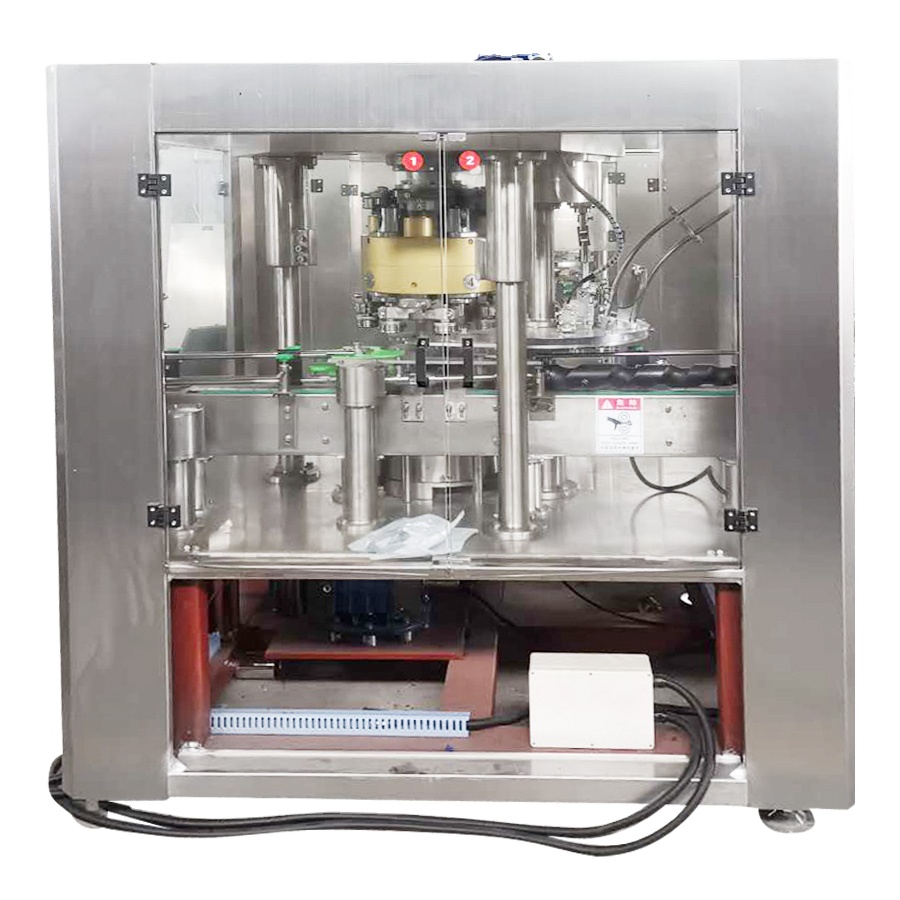
Aluminum can packaging (250ml sleek and 330ml standard formats) is expanding rapidly across Vietnam. An energy drink contract manufacturer installed a 4-Head / 12-Head rotary automatic can filling and seaming line. Featuring precision mechanical double-seaming heads, double-purge CO2 pre-evacuation, and liquid nitrogen dosing units for thin-wall can pressure stability, the line maintains oxygen pickup below 30 ppb, guaranteeing extended shelf life in hot climates.
6. Emerging Industry Trends & Regulatory Shift in Vietnam (2025–2030)
Beverage manufacturers operating in Hai Phong must align their capital investments with evolving market dynamics and Vietnamese governmental mandates:
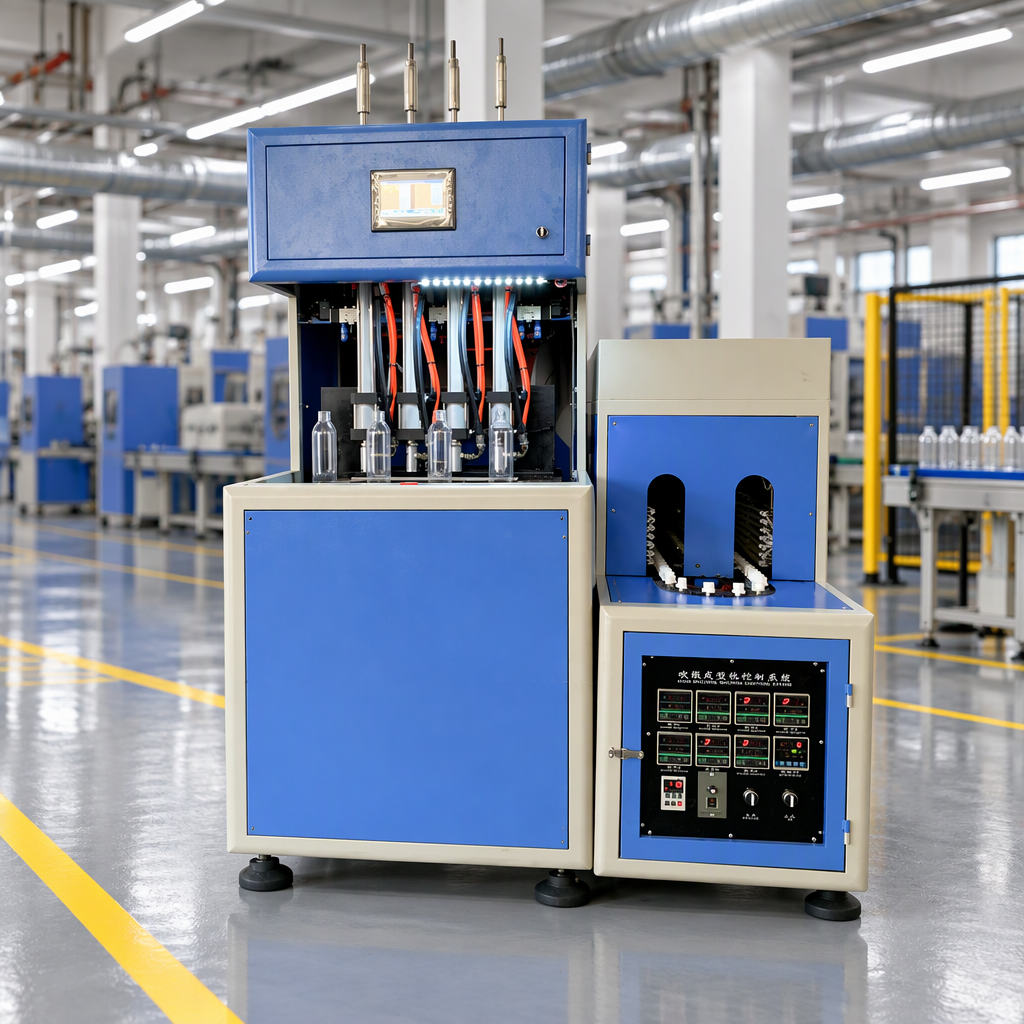
- Transition to R-PET & Lightweighting: Vietnamese environmental regulations are pushing for increased usage of Recycled PET (R-PET) and lighter bottle preforms (e.g., reducing 500ml PET bottle weight from 18g to 12.5g). Modern blow molding machines must feature precise multi-zone infrared heating controls to prevent thermal stress fractures in lightweight preforms.
- Sugar-Sweetened Beverage Tax (Special Consumption Tax - SCT): With discussions around health-focused tax policies on high-sugar drinks, soft drink brands are reformulating towards zero-sugar, natural sweeteners (Stevia, Monk Fruit), and functional botanicals. Production lines must handle multi-sku recipe switching efficiently, favoring PLC-stored recipe management and rapid CIP sanitization cycles.
- Energy Efficiency & Water Footprint Reduction: Industrial parks in Hai Phong maintain strict effluent discharge tariffs. Advanced soft drink production lines utilize closed-loop vacuum pump water recycling, high-efficiency SEW/Nord gearboxes, and automated heat recovery on pasteurizers to achieve energy savings of over 22%.
7. Why Choose Lofsu Packing Machinery Co., Ltd. for Your Hai Phong Plant
Lofsu Packing Machinery Co., Ltd. (based in Zhangjiagang, Suzhou, Jiangsu, China) has established itself as a premier engineering and manufacturing supplier for overseas liquid food and beverage producers. Here is why beverage enterprises serving Hai Phong choose Lofsu:
- 15+ Years of Dedicated Beverage Machinery Expertise: Established in 2010, focusing exclusively on water treatment, PET bottle blowing, liquid filling (CSD, Hot Fill, Isobaric, Gravity), rotary/linear labeling, and end-of-line case packing.
- Single-Source Factory Ownership: Operating an onsite-audited manufacturing facility spanning 1,000 to 3,000 m², ensuring strict quality control from CNC component machining to electrical panel wiring.
- Geographic Proximity & Direct Shipping to Hai Phong: Located near Shanghai and Ningbo ports, machinery containers ship directly to Lach Huyen or Chua Ve Port in Hai Phong with transit times of just 3 to 5 days, minimizing ocean freight costs and transit risks.
- Custom Power & Component Specifications: Every electrical cabinet is built with international tier-1 components (Siemens, Schneider, Omron, Airtac) tailored to Vietnam’s 380V/50Hz power grid, eliminating voltage incompatibility issues.
- Rigorous Factory Acceptance Testing (FAT): Before container loading, lines are fully assembled in our factory and tested using the client's actual bottle samples, caps, and preforms. Complete video documentation and live FAT streams are provided for total peace of mind.
Frequently Asked Questions (FAQ) for Hai Phong Buyers
Direct technical and logistical answers for plant owners, project managers, and procurement officers.
How do your production lines handle electrical voltage stability in Hai Phong Industrial Parks?
Our default equipment specification for Vietnam is 380V, 3-Phase, 50Hz. To account for occasional voltage surges or micro-brownouts in expanding industrial zones like Deep C or Dinh Vu, we install insulated Schneider/Siemens electrical protection relays, variable frequency drives (VFDs) with wide input tolerances, and optional online UPS modules for main PLC memory retention.
What is the typical ocean freight lead time from your factory to Hai Phong Port?
Because our manufacturing plant is in Zhangjiagang (Jiangsu Province), machinery is loaded directly into sea containers and dispatched via Shanghai Port. The ocean transit time to Hai Phong Port (Lach Huyen / Dinh Vu) is typically 3 to 5 direct shipping days. Total door-to-door lead time including production, FAT testing, and shipping ranges between 35 to 55 days depending on line complexity.
Can your water treatment plants resolve seasonal estuarine salinity in Hai Phong water supplies?
Yes. We design customized double-pass Reverse Osmosis (RO) systems integrated with anti-scalant dosing pumps, quartz sand filters, active carbon towers, and UV sterilizers. This ensures raw river or municipal tap water with varying TDS levels is purified to strict QCVN 6-1:2010/BYT bottling standards, protecting beverage taste and preventing mineral buildup inside filling valves.
What certifications and compliance documents are provided for Vietnamese customs clearance?
We supply full shipping documentation packages including CE Certification (Directive 2006/42/EC), ISO 9001 quality audit reports, Certificate of Origin (Form E for ASEAN-China free trade duty reductions), commercial invoice, packing lists, and comprehensive English/Vietnamese operation & maintenance manuals.
Do you provide on-site installation, commissioning, and staff training in Vietnam?
Yes. Our senior mechanical and automation engineers travel directly to your plant in Hai Phong to oversee foundation positioning, electrical/pneumatic hookups, line commissioning, and dry/wet trial runs. We also conduct comprehensive hands-on training for your local operators and maintenance technicians covering preventive maintenance and quick mold changeovers.
How can we obtain a customized CAD floor plan and technical quote for our factory building?
Simply click the "Inquire Now" button below to share your floor dimensions (length, width, ceiling height), target bottle types/volumes, desired production output (BPH), and beverage type. Our engineering design team will generate a tailored 2D/3D plant layout and formal itemized quotation within 24 hours.
Ready to Build or Upgrade Your Soft Drink Line in Hai Phong?
Partner with an audited, 15+ year expert manufacturer. Receive custom CAD plant layouts, technical line sizing, direct maritime shipping schedules, and competitive factory pricing tailored for Northern Vietnam.