Featured Liquid Processing & Bottling Equipment
Turnkey wine, beverage, and water packaging systems engineered to international CE standards with custom 380V/415V 50Hz regional configurations.
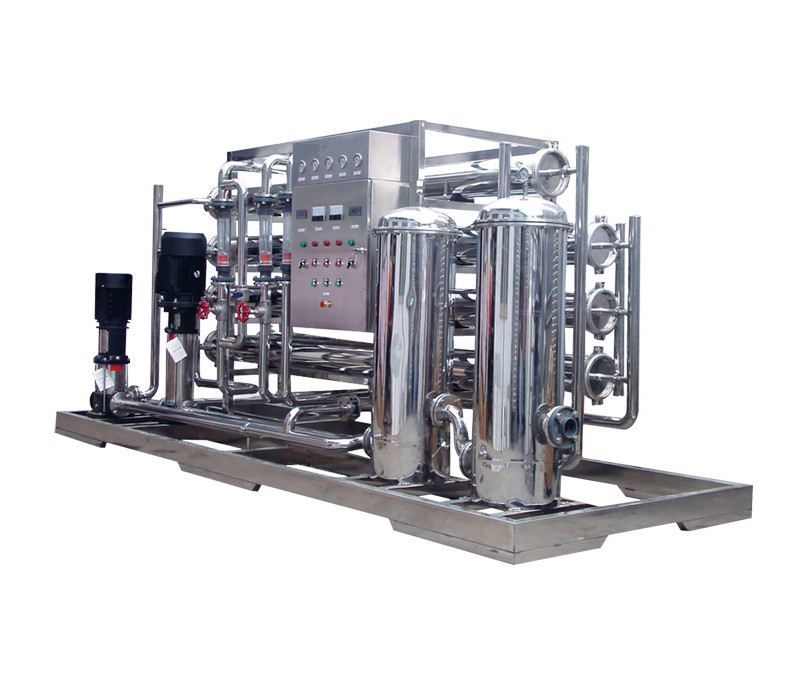
Mars Reverse Osmosis Water Treatment System 3000L/Hour 800W
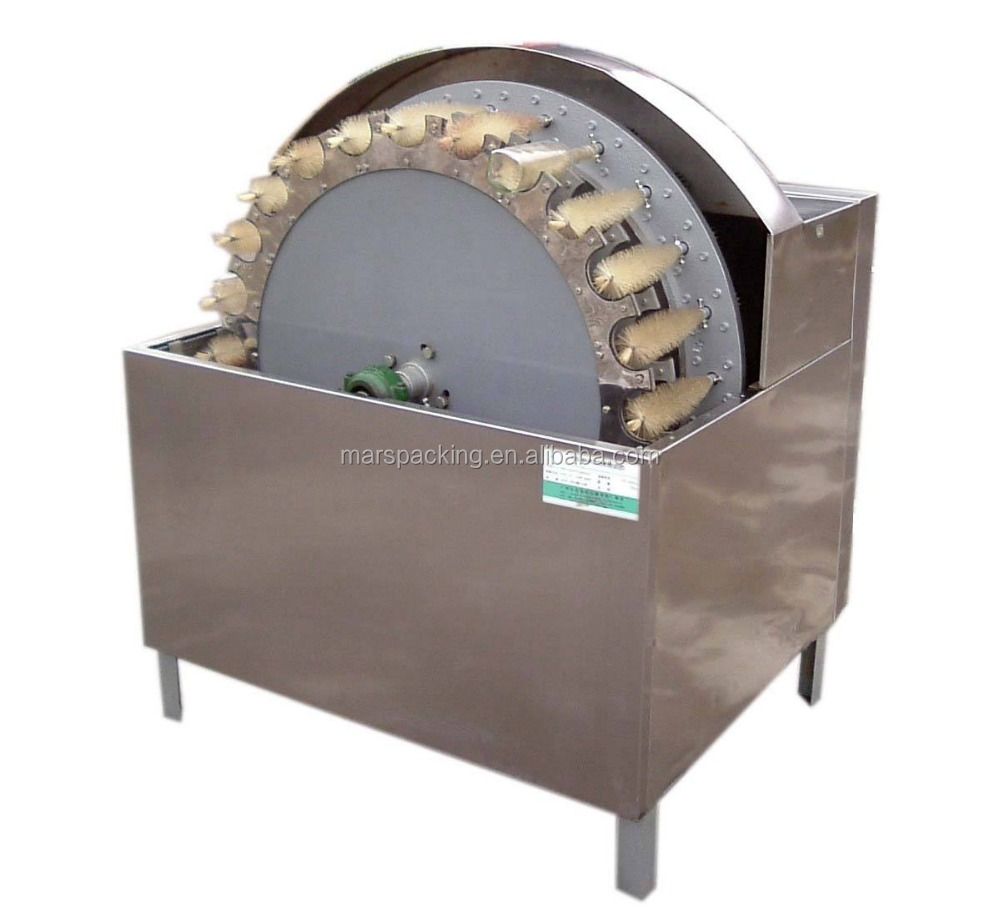
Semi Automatic Glass Bottle Washer Wine Beer Cleaning Machine
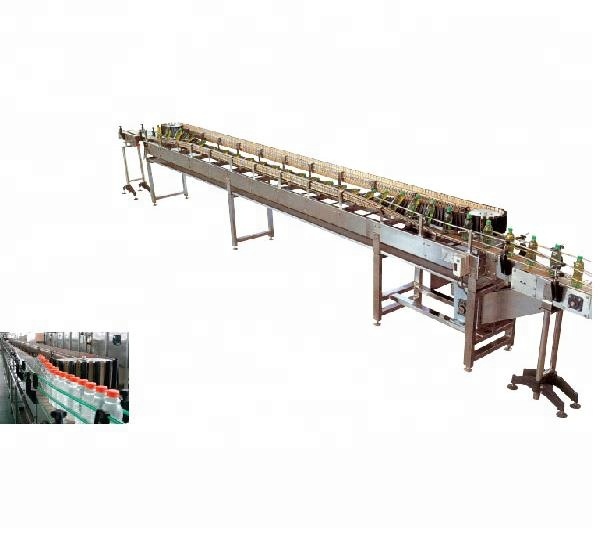
Automatic Bottle Inverse Sterilizer Electric Inline Inverting Machine
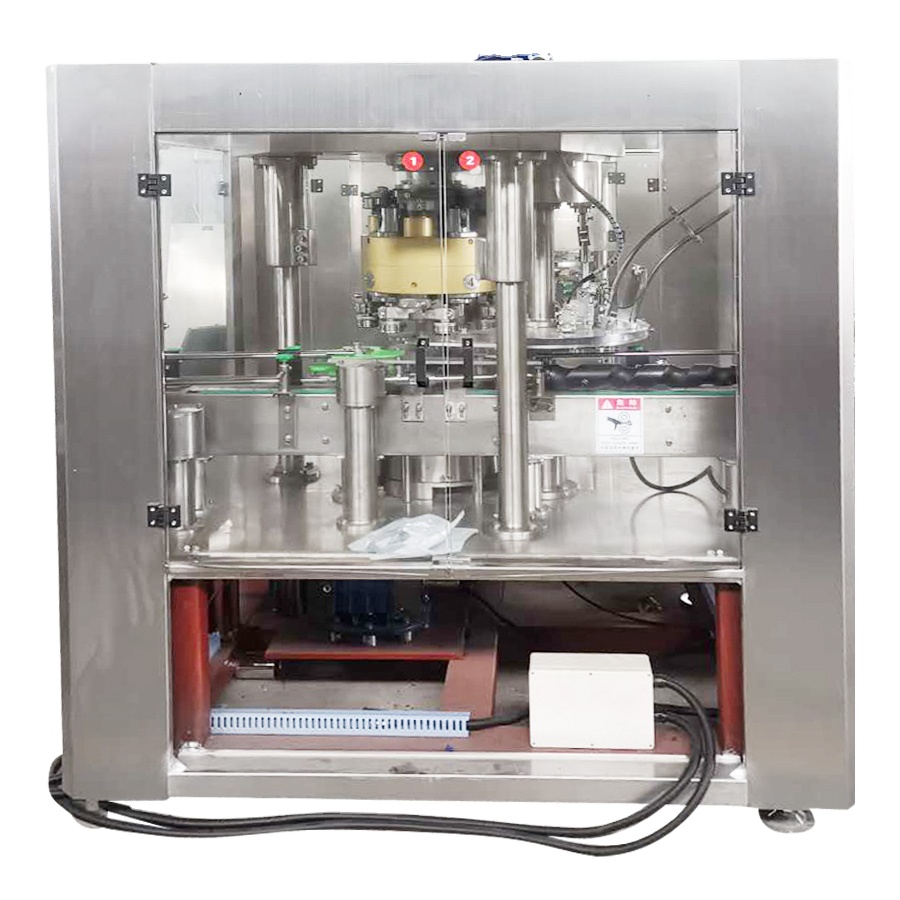
Four Head Automatic Rotary Tin Can Sealing Machine
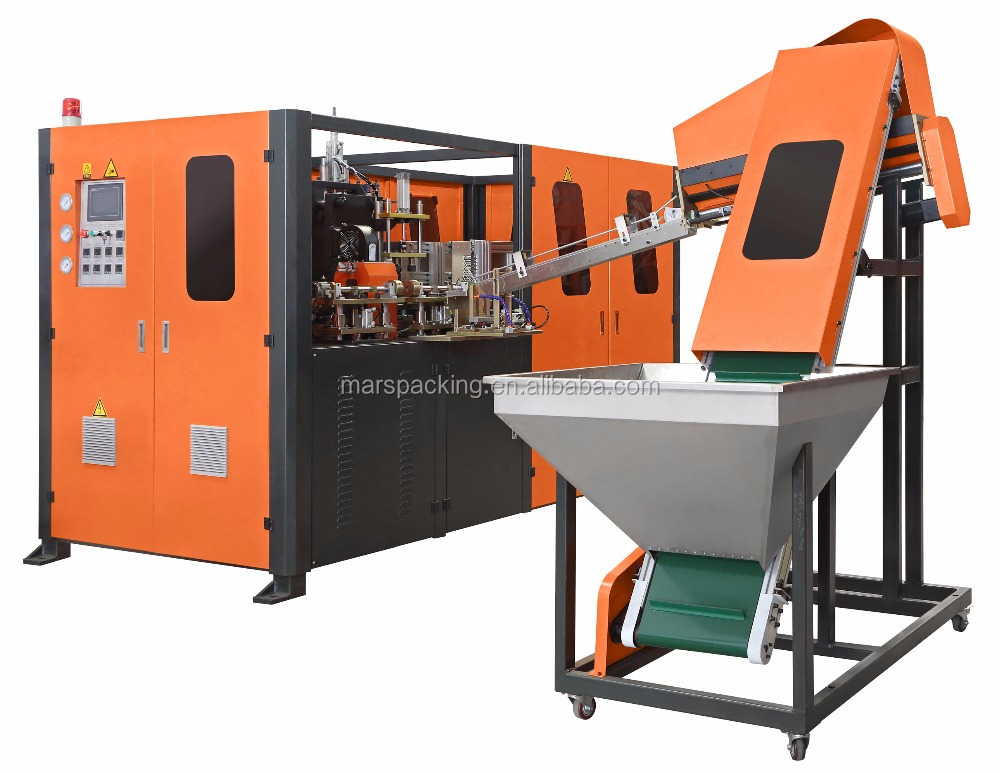
Fully Automatic Servo Controlled PET Bottle Stretch Blow Molding Machine

12000BPH 6 Cavity PET Bottle Stretch Blow Molding Machine
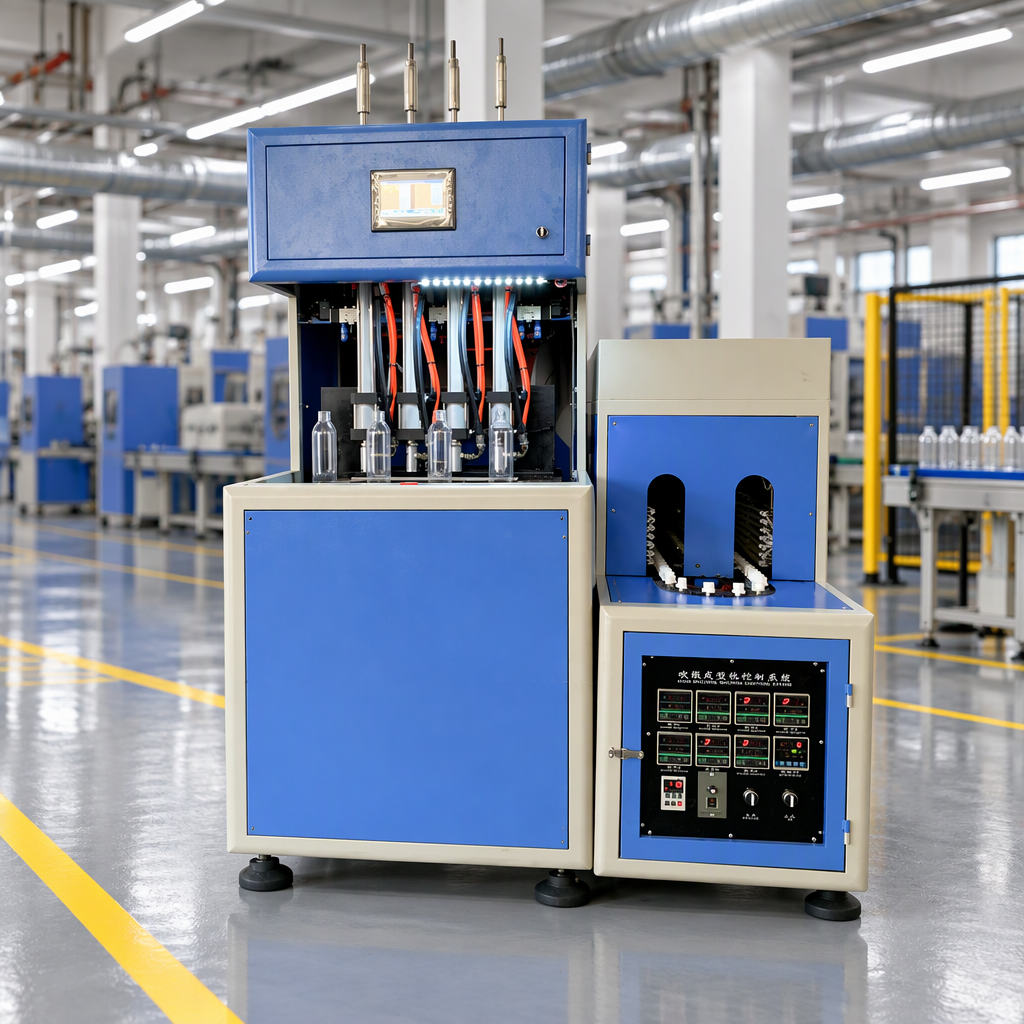
Semi Automatic 4 Cavity PET Bottle Blow Molding Machine 30kW
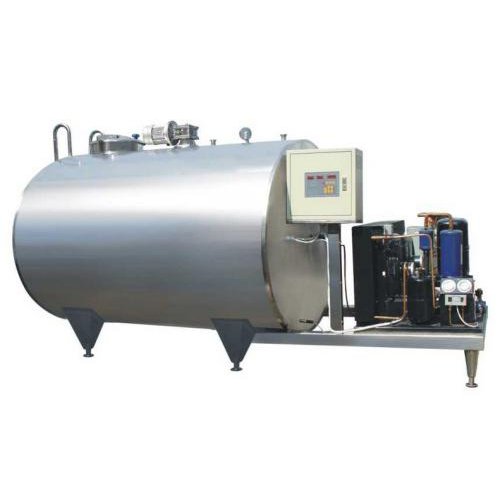
Mars New 2000L Stainless Steel Horizontal Refrigeration Storage Tank
The Evolving Wine & Beverage Bottling Landscape in the Delhi Capital Region (NCR)
The National Capital Region (NCR) of Delhi—encompassing key industrial clusters in Gurgaon, Noida, Greater Noida, Faridabad, and Kundli—represents one of the most lucrative and demanding wine markets in South Asia. Driven by rising disposable incomes, shifting consumer preferences toward premium varietals (Cabernet Sauvignon, Sauvignon Blanc, Syrah), and a booming hospitality ecosystem, the demand for locally bottled and finished wines, imported bulk blending, fruit wines from Himachal/Uttarakhand, and craft wine RTDs (Ready-To-Drink) has surged exponentially.
However, establishing an efficient, compliant, and oxygen-controlled wine bottling facility in Delhi-NCR presents unique engineering and regulatory hurdles. The regional climate experiences extreme ambient temperature swings—exceeding 45°C during summer months—demanding specialized temperature-compensated filling valves, insulated stainless steel holding vessels, and integrated glycol chilling systems to prevent thermal expansion and volatile aromatic loss during the filling process.
Key Engineering Challenges Solved for Delhi Winemakers & Bottlers:
- Dissolved Oxygen (DO) Control: Wine is highly susceptible to oxidative degradation. Advanced wine fillers must incorporate double-vacuum pre-evacuation and inert gas (Nitrogen/Argon) sparging to maintain DO pickup below 0.05 mg/L, preserving delicate tannins and flavor compounds.
- FSSAI & BIS Hygiene Standards: Food Safety and Standards Authority of India (FSSAI) mandates strict sanitary piping, CIP (Clean-In-Place) integration, and food-grade SUS316 stainless steel for all liquid-contact surfaces.
- Delhi Excise Department Traceability Compliance: Bottling lines in Delhi must seamlessly interface with high-speed automatic anti-counterfeit capping machinery (ROPP caps, synthetic T-corks, heat-shrink PVC capsules) and high-resolution inkjet/laser coding for excise batch tracking and QR validation.
- Power Grid Resilience: Our systems feature industrial-grade Siemens PLCs and Schneider electrical components designed to handle Indian power grid fluctuations (380V to 415V 3-Phase, 50Hz) without losing calibration or cycle speed.
Top 10 Wine Filling Machine Manufacturers Serving Delhi
An objective benchmark analysis based on engineering build quality, oxygen mitigation tech, local support capability, and total cost of ownership (TCO).
| Manufacturer / Supplier | Origin | Filling Technology | DO Pickup Control | Delhi Service Network | Suitability & Best For |
|---|---|---|---|---|---|
| Lofsu Packing Machinery | China (Jiangsu) | Low-Vacuum / Isobaric Monoblock | < 0.05 mg/L (N2 Degassing) | Direct Technical Team & Onsite Support | Best TCO & Quality Balance: Medium to high-speed wineries, fruit wine producers, & contract bottlers. |
| Krones AG | Germany | Electro-Pneumatic Counter-Pressure | < 0.02 mg/L | Regional Office (India) | High-budget mega-plants exceeding 15,000 BPH. High CAPEX requirement. |
| CFT Group (Coesia) | Italy | Gravity & Low-Vacuum Counter-Pressure | < 0.04 mg/L | Third-Party Distributors | Traditional glass bottle wine lines with specialized corking integration. |
| GAI Macchine | Italy | Monoblock Electro-Pneumatic | < 0.03 mg/L | Importer Network | Boutique craft wineries requiring small footprint monoblocks. |
| Mars Machinery | China | Isobaric / Rotative Gravity | < 0.05 mg/L | Direct Import / Remote & Onsite FAT | Turnkey wine treatment, RO water purification, and filling integration. |
| KHS Group | Germany | Volumetric / Mass Flow Metering | < 0.03 mg/L | Direct Indian Subsidiary | Large-scale industrial beverage groups operating across India. |
| Sidel (Tetra Laval) | France | PET & Glass Combi Bottling | < 0.04 mg/L | Pan-India Service Hub | Alternative packaging formats including PET wine bottles and RTD cans. |
| Fimer Srl | Italy | Isobaric Vacuum Filling | < 0.05 mg/L | Agent Representation | Still and sparkling wine dual-purpose filling lines. |
| Pavan Liquid Packaging | India | Linear / Rotary Gravity Filling | < 0.10 mg/L | Domestic Local Facility | Entry-level budget still wine lines with basic operational automation. |
| Costral | France | Compact Mobile Bottling Monoblock | < 0.05 mg/L | Import Agents | Mobile bottling services catering to regional North Indian vineyards. |
Engineering Core Advantages: Why Lofsu Leads in Wine Bottling Tech
Eliminating oxidation, preserving aromatic integrity, and maximizing line efficiency for North Indian beverage producers.
Low-Vacuum Anti-Oxidation Filling
Our wine fillers utilize a precise micro-vacuum environment inside the bottle before liquid injection. By replacing residual oxygen with food-grade Nitrogen (N2), we preserve wine aromas, natural color, and shelf stability without causing foaming or fill-level variance.
Sterile CIP (Clean-In-Place) Architecture
Equipped with automated dummy cups and dual-circuit CIP spray balls, the internal fluid pathways, holding tanks, and filling valves can be disinfected at 85°C hot water or chemical sanitizer cycles, preventing microbial cross-contamination between varietals.
Multi-Closure Versatility
Engineered for maximum flexibility, our monoblock systems seamlessly handle natural corks, synthetic T-corks, aluminium ROPP screw caps, and crown caps. Quick-change star wheels enable format switching between 375ml, 750ml, and 1.5L bottles in under 20 minutes.
Technical Deep-Dive: Isobaric vs. Low-Vacuum Gravity Filling for Wines
Selecting the correct filling technology depends heavily on whether your product line produces still wines (Chardonnay, Shiraz, Merlot), sparkling/aerated wines (Prosecco-style, sparkling ciders), or fortified sweet wines. In the Delhi market, where bottlers often handle diverse product portfolios under one roof, understanding these mechanics is paramount to capital efficiency.
1. Low-Vacuum Gravity Filling Systems (Ideal for Still Wines & Spirits)
Still wines are extremely sensitive to mechanical agitation. Low-vacuum gravity fillers create a slight negative pressure differential (-0.01 to -0.03 MPa) inside the container. This low vacuum pulls liquid smoothly down the inner bottle wall without creating turbulence or air bubbles, ensuring precise liquid leveling (±1mm) even in dark glass bottles with structural variations.
2. Counter-Pressure Isobaric Filling Systems (Essential for Sparkling Wines & RTDs)
For sparkling wines, carbonated wine spritzers, and cider products, isobaric counter-pressure technology is mandatory. The filling valve pressurizes the bottle with CO2 or N2 gas to equalize internal pressure with the storage tank before opening the liquid seal. This maintains dissolved carbonation, eliminates excess foaming, and guarantees smooth fill speeds up to 12,000 bottles per hour.
3. Nitrogen Injection & Corking/Capping Integration
Immediately post-filling, liquid headspace must be protected. Our integrated monoblocks feature an inline Liquid Nitrogen Dosing System that injects a precise micro-droplet of liquid N2 into the headspace right before cork insertion or ROPP seaming. As the nitrogen expands 700-fold into inert gas, it flushes out ambient air, creating an airtight protective barrier for long-distance transport and long shelf storage across India.
Localized Wine & Beverage Market Trends in Delhi-NCR for 2025 & Beyond
As the regional beverage industry evolves, forward-thinking bottlers in Delhi, Noida, and Gurgaon are adopting next-generation production strategies to gain competitive advantage:
- Rise of Canned Wine & RTD Wine Spritzers: Sleek 250ml and 330ml aluminium cans are capturing young urban consumers in South Delhi and Cyber City Gurgaon. Packaging wine in cans requires specialized internal epoxy lacquers and 4-head rotary can seamers with double-seam inspection to prevent liquid acidity from interacting with the metal.
- Sustainable Lightweighting & Glass Washing Hygiene: High glass container costs have spurred demand for eco-friendly lightweight glass. To ensure recycled or local glass bottles meet hygiene standards, bottlers rely on heavy-duty automatic or semi-automatic glass bottle washing machines with multi-stage water rinsing and inverse air-sterilization units.
- High-Purity RO Water Blending: For fortified wines, vermouths, and spirits produced in NCR plants, water quality dictates taste consistency. Installing a industrial 3000L/H Reverse Osmosis (RO) system with UV sterilization removes total dissolved solids (TDS), heavy metals, and chlorine prior to syrup and wine blending.
Frequently Asked Questions (FAQ) for Delhi Machinery Buyers
Clear, direct answers regarding equipment import, electrical specs, installation, and compliance for Indian bottling plants.
How does Lofsu ensure machine voltage compatibility with Indian factory standards?
All equipment exported to Delhi-NCR is custom-wired for 380V - 415V, 3-Phase, 50Hz electrical supplies. We utilize premium Schneider, ABB, or Siemens contactors and frequency drives calibrated specifically for local power grid tolerances.
What is the typical Dissolved Oxygen (DO) increase during the bottling process?
Thanks to our dual-stage vacuum pre-evacuation and nitrogen sparging valves, the Dissolved Oxygen (DO) pickup is strictly controlled to less than 0.05 mg/L, safeguarding long-term cellar aging and taste profiles.
Are your machines compliant with FSSAI hygiene regulations in India?
Yes. All liquid contact parts are constructed from sanitary AISI 304 or 316L stainless steel with mirror-polished internal welds (Ra < 0.4 μm). The machinery includes full CIP cleaning support to satisfy FSSAI and BIS audit requirements.
What lead time and shipping routes are used to deliver to Delhi?
Standard manufacturing lead time is 30 to 45 days. Shipments are packed in ocean-worthy, vacuum-sealed wooden cases and dispatched via sea freight to Nhava Sheva (Mundra/JNPT ports) before transit via rail freight directly to Inland Container Depots (ICD Tughlakabad or ICD Patparganj) in Delhi.
Do you offer on-site installation, commissioning, and operator training in Delhi-NCR?
Yes. We provide comprehensive FAT (Factory Acceptance Testing) video verification prior to dispatch. Upon arrival in Delhi, our field engineers provide complete on-site mechanical installation, electrical commissioning, and multi-lingual operator training.
Ready to Upgrade Your Wine & Beverage Bottling Line in Delhi?
Connect with our senior engineering team to receive a tailored CAD factory layout, technical line configuration, and competitive factory-direct pricing quote within 24 hours.