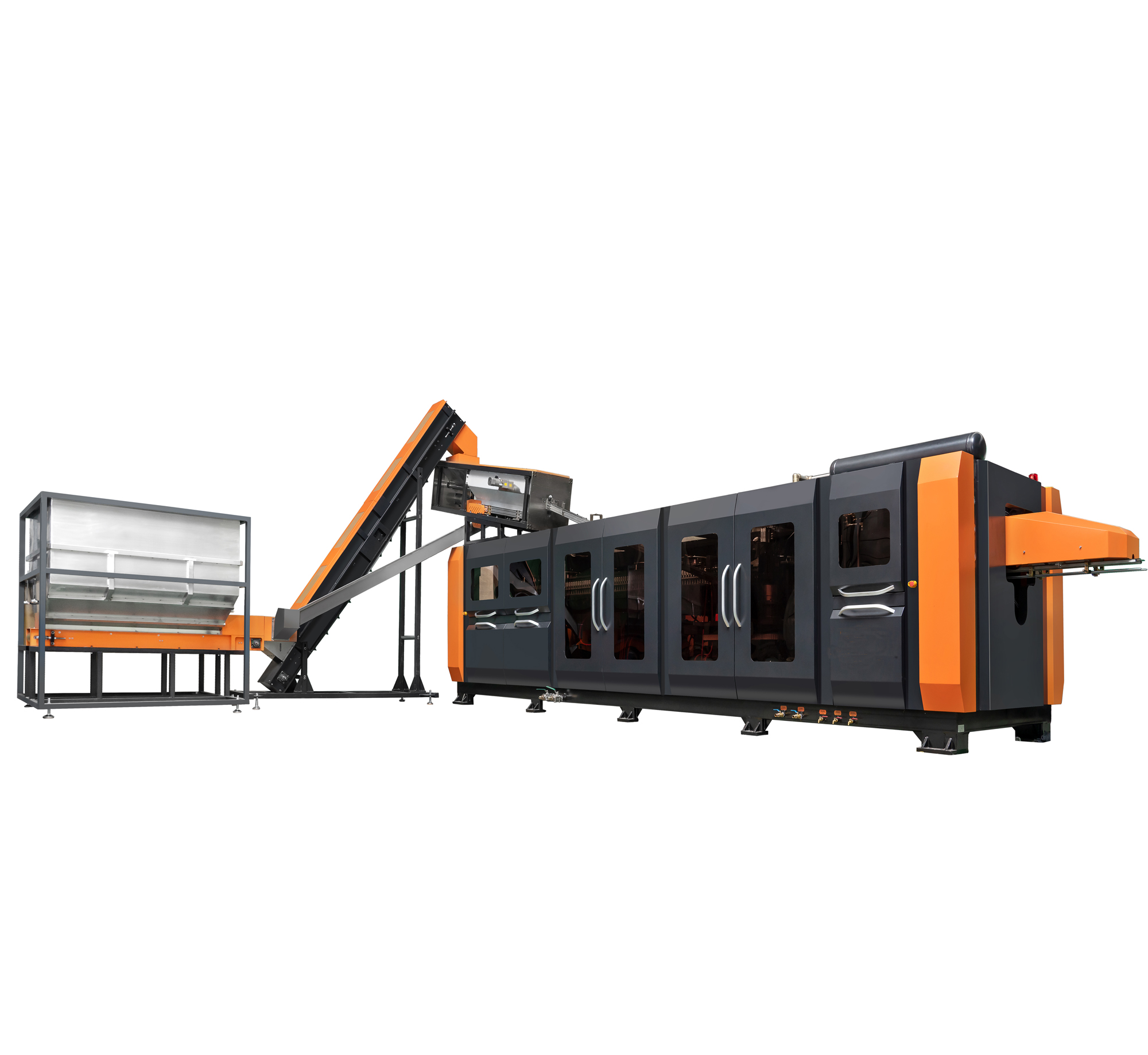
High-Performance Packaging Fleet
Featured Canning & Bottling Machinery Solutions
Industrial-grade equipment tailored for precision volumetric filling, double-seam closing, container blowing, and end-of-line automation.
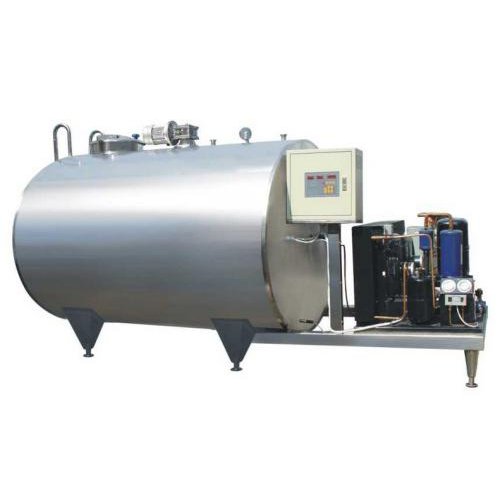
Mars New 2000 Liters Stainless Steel Horizontal Milk Refrigeration Cooling Storage Tank Pump Self-Closing Valves CE Certified
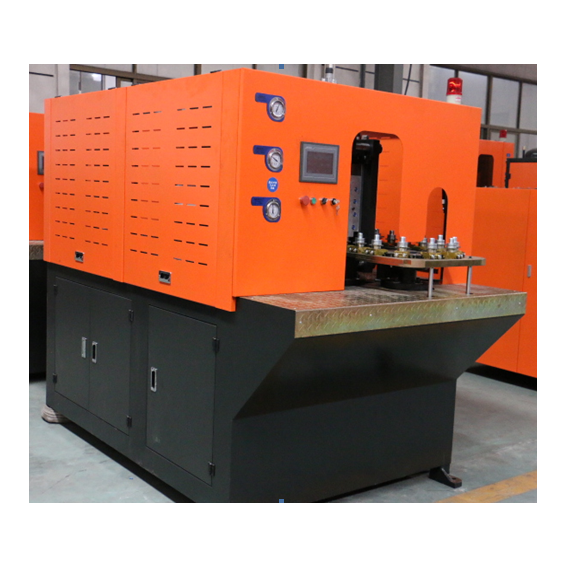
Automatic 2 Cavity PET Stretch Blow Molding Machine Preform Blower for Wide-Mouth Jars
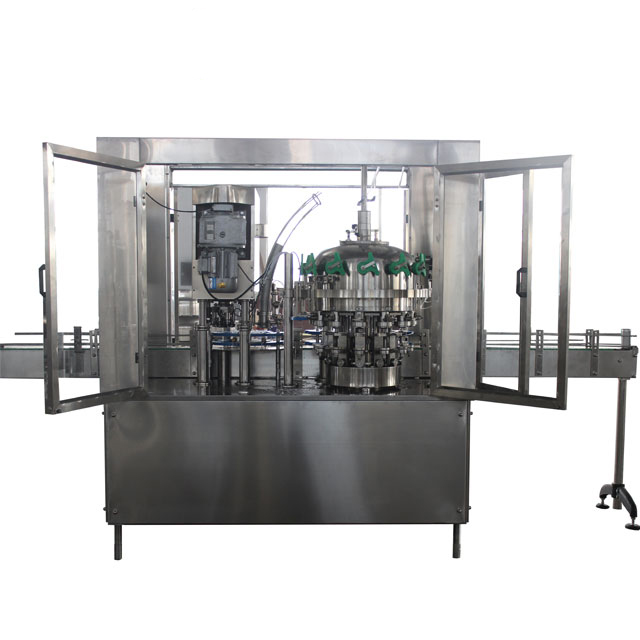
GDF12-1 Automatic Beer Can Filling Sealing Machine 12 Nozzle Aluminum Can Filler 2000 BPH Beverage Packaging Equipment

12000BPH 6 Cavity PET Bottle Stretch Blow Molding Machine Semi-Automatic Variable Pitch Mineral Water Production
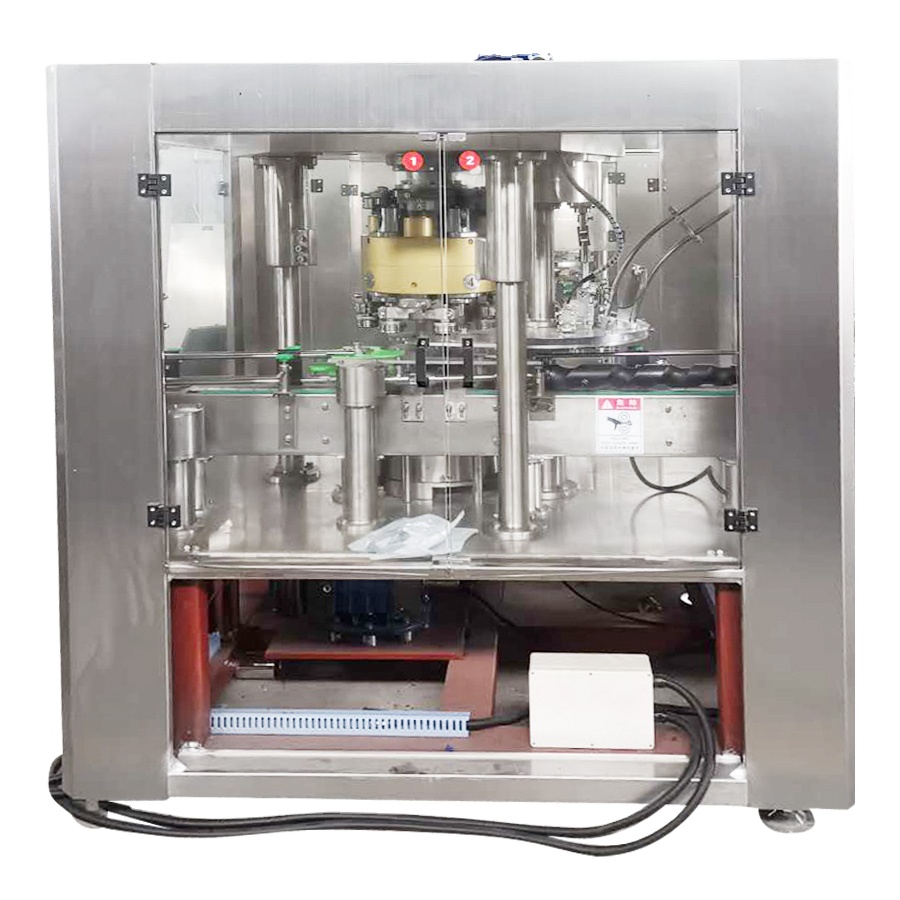
Four Head Automatic Rotary Tin Can Sealing Machine Mechanical Can Closing Equipment for Beverage Packaging

Automatic Soda Water Filling Canning Machine for Carbonated Soft Energy Drink
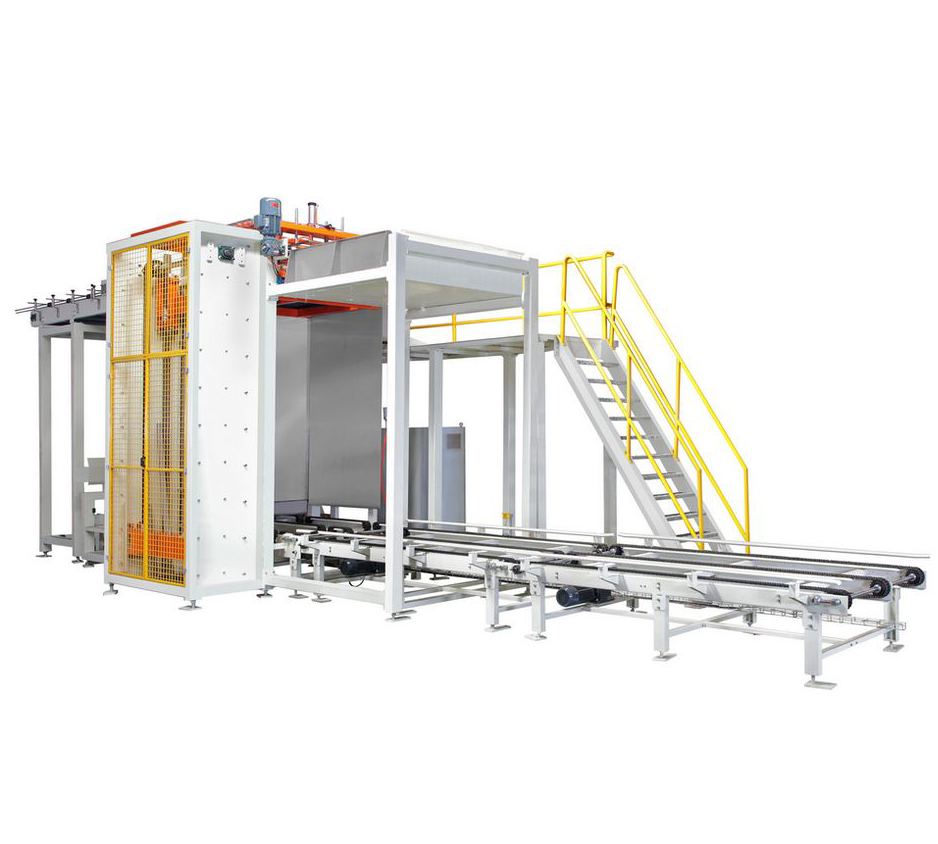
Automatic Bottle Depalletizer Mechanical Packaging Equipment 12KW 220-450V Plastic Beverage Bottle Handling System
Industry Whitepaper • Kyoto Technical Brief
Next-Generation Aluminum Can Packaging in Kyoto’s Artisan & Industrial Beverage Ecosystem
Kyoto Prefecture, long revered as Japan’s cultural capital, has rapidly emerged as a epicenter of premium beverage innovation. From the historic sake breweries of Fushimi utilizing pristine subterranean spring water (Fushimizu) to contemporary craft microbreweries in Minami Ward and artisanal green tea (Uji Matcha) RTD producers in Uji, the region's demand for high-spec aluminum canning lines has surged by over 42% in recent fiscal cycles. Modern consumers in Kyoto and the broader Kansai metropolitan area are increasingly shifting from traditional glass bottles to infinitely recyclable aluminum cans due to superior light barrier protection, faster chilling conductivity, and lowered carbon footprints during logistics.
However, canning premium Japanese craft beverages—particularly unpasteurized craft beer, sparkling RTD sake cocktails, and delicate nitrogen-dosed cold brew teas—presents rigorous mechanical and microbiological challenges. Liquid producers in Kyoto face strict environmental regulations under Kyoto City’s Green Purchasing Guidelines, tight spatial footprints in historic manufacturing facilities, and uncompromising quality metrics regarding Dissolved Oxygen (DO) pickup and seam integrity. Achieving industrial success requires machinery suppliers who understand how to harmonize high-speed automation with extreme micro-gauge precision.
Craft Sake & Sparkling Nihonshu
Kyoto’s traditional breweries utilize counter-pressure isobaric can fillers to maintain delicate carbonation profiles without stripping aromatic esters or introducing ambient oxygen.
Uji Matcha & Green Tea RTDs
Equipped with micro-dosing liquid nitrogen systems (LN2) to pressurize non-carbonated tea cans while purging headspace oxygen, preserving chlorophyll vibrance and preventing oxidation flavor shifts.
Microbreweries & Craft Cider
Monoblock filling-seaming systems capable of quick format changeovers between 202, 204, and 206 end-flanges, accommodating standard 330ml, 350ml, and 500ml sleek or standard aluminum cans.
Engineering Blueprint: Dissolved Oxygen (DO) Control & Double-Seam Integrity
For beverage manufacturers operating within Kyoto’s premium segment, the shelf-life stability of canned products hinges upon two critical engineering parameters: Headspace Oxygen Reduction and Microscopic Seam Geometry Precision. As an authoritative leader in fluid packaging engineering, our equipment incorporates heavy-duty SUS316L/SUS304 mechanical valves engineered specifically to eliminate turbulence during filling.
Traditional gravity fillers often introduce ambient air during filling, leading to DO pickup levels exceeding 80–120 parts per billion (ppb). This drastically shortens the fresh flavor window of craft beers and dark sakes. Our advanced isobaric GDF-series can fillers utilize a dual-stage pre-evacuation and CO2 bubble-under-cap purging mechanism, effectively suppressing total package oxygen (TPO) to under 30 ppb.
| Technical Parameter | Standard Entry-Level Filler | Lofsu High-Precision Monoblock System | Kyoto Industry Benefit |
|---|---|---|---|
| DO Pickup Level | 80 - 150 ppb | < 25 - 35 ppb | Extends craft beer & tea shelf-life from 3 months to 12+ months without flavor loss. |
| Filling Mechanism | Mechanical Gravity Valve | Isobaric Mechanical / Electro-Pneumatic | Eliminates foaming in high-carbonation RTD beverages (up to 4.2 vol CO2). |
| Seam Thickness Accuracy | ± 0.05 mm | ± 0.01 mm (JIS B 8401 Compliant) | Guarantees zero micro-leaks under transportation vibration over Japanese rail/highway networks. |
| Power Supply Integration | Fixed Voltage (Standard 380V/50Hz) | Customized Kansai Grid (200V/380V 60Hz) | Direct drop-in compatibility with Kyoto’s regional industrial power grid without transformers. |
| CIP Cleanability | Manual Disassembly Clean | Fully Automated CIP Return Circuit (SUS316L) | Ensures zero cross-contamination between batch-brewed specialty drinks (e.g., Fruit Sour to Stout). |
<30 ppb
Ultra-Low DO Pickup
99.9%
Seam Yield Efficiency
60 Hz
Kansai Grid Optimized
15+ Yrs
Export Authority
Kyoto Beverage Packaging Trends: Sustainability, Compactness & Versatility
Through close consultation with master brewers (Toji) and production directors across Kyoto and Osaka, three key procurement trends have reshaped how local facilities purchase aluminum canning lines:
01. Compact Monoblock Footprints
Real estate in Kyoto's historical manufacturing districts commands a premium, and plant floor space is frequently constrained. Modern operators reject sprawling split-system setups. Integrated 2-in-1 or 3-in-1 Monoblock units—combining can rinsing, isobaric filling, and double-seam closing onto a unified stainless chassis—reduce line footprint by up to 45% while preserving maintenance accessibility.
02. Multi-Format Flexibility (Slim, Sleek & Standard)
Kyoto's retail environment demands distinctive packaging. Premium RTD cocktails utilize 250ml sleek cans, craft beers favor 350ml standard cans, and cold brew coffees opt for 200ml slim cans. Leading can fillers now utilize quick-change starwheels and height-adjustable seaming turrets, enabling line changeovers in under 30 minutes.
Why Global & Japanese Procurement Teams Partner With Us
As a specialized beverage packaging machinery manufacturer operating since 2010 from a 1,000–3,000 m² audit-verified facility, Lofsu Packing Machinery Co., Ltd. brings deep OEM expertise to global beverage producers. Over 70% of our production lines are exported to more than 30 countries across Asia, Europe, North America, and the Middle East.
Rigorous QA & CE Certification
Every equipment unit is manufactured in compliance with European CE Directives (2006/42/EC). Raw materials, electrical components (Omron PLC, Schneider electronics, Airtac pneumatics), and fluid pipelines undergo strict Factory Acceptance Testing (FAT) prior to crating.
Custom Voltage Engineering
We tailor electrical schematics specifically for regional supply lines. Whether your plant operates on 200V/220V single-phase or 380V/440V three-phase at 50Hz or 60Hz (specifically for Kansai Electric Power's grid serving Kyoto), your machinery arrives plug-and-play ready.
End-to-End Turnkey Delivery
From raw water treatment (RO purification) and liquid processing tanks to blow molding, can filling, seaming, sleeve labeling, and wraparound case packing, we design complete integrated production plants optimized for high yield.
Buyer’s Guide FAQ
Frequently Asked Questions by Kyoto Beverage Producers
Clear engineering answers regarding power supply, shipping, equipment customization, and local installation support.
Are your aluminum can filling machines compatible with Kyoto’s 60Hz power grid? +
Yes, absolutely. Western Japan (including Kyoto, Osaka, and Hyogo under the Kansai Electric Power service area) operates on a 60Hz electrical frequency, distinct from Eastern Japan (Tokyo/50Hz). All our motors, vacuum pumps, PLCs, and variable frequency drives (VFDs) are engineered and factory-tested specifically for 200V/380V 60Hz industrial power supplies, ensuring seamless operation without electrical overheating or timing desynchronization.
How does your filler maintain carbonation stability for sparkling sake and craft beer? +
Our GDF series fillers utilize an advanced counter-pressure isobaric filling mechanism. The can is purged with CO2 and pressurized to match the exact pressure inside the liquid ring bowl prior to valve opening. Liquid flows under gentle gravity down the interior wall of the can without turbulence, eliminating carbon dioxide breakout (foaming) and preserving carbonation volumes up to 4.2 vol CO2.
Can one machine handle both non-carbonated tea/juice and carbonated beer/soda? +
Yes. By integrating our optional micro-dosing Liquid Nitrogen (LN2) injection system and dual-mode filling valves, the monoblock can fill still beverages (such as Uji green tea, cold brew coffee, or still sake) under ambient atmosphere, dose a precise droplet of liquid nitrogen to pressurize the can for structural rigidity, or switch to isobaric mode for carbonated products.
What are your quality control procedures for double-seam leak prevention? +
Seam integrity is paramount. Our rotary seaming turrets utilize ultra-hard alloy steel seaming rolls (first and second operation) driven by precision mechanical cams. During Factory Acceptance Testing (FAT), sample cans are subjected to optical seam-projector micro-meter checks to confirm seam thickness, seam tightness, countersink depth, and overlap percentage meet Japanese Industrial Standards (JIS B 8401).
What is the lead time and shipping process for delivering machinery to Japan? +
Standard manufacturing and FAT testing typically take 30 to 45 business days upon drawing approval. Transit from our facility in Jiangsu to major Kansai ports (such as the Port of Kobe or Port of Osaka) takes only 3 to 5 days via sea freight. We support FOB, CIF, CFR, and DDP (Delivered Duty Paid) terms, facilitating smooth Japanese customs clearance.
Do you offer site commissioning and remote technical support for Japanese plants? +
Yes. We provide comprehensive documentation, complete English/Japanese PLC user interface options, and 24/7 remote video technical support. For complete turnkey lines, our field service engineers can be dispatched to your Kyoto facility to manage line positioning, electrical hookups, trial commissioning, and staff operational training.